
Shop NAD and NMN Supplements
NAD+ (nicotinamide adenine dinucleotide) is one of the most studied molecules in longevity science, playing a central role in cellular energy production, DNA repair, and mitochondrial function. NMN (nicotinamide mononucleotide) is a direct precursor to NAD+ and one of the most researched ways to support the body’s natural NAD+ levels as they decline with age.
These physician-endorsed formulas are selected by Dr. Don Zone, MD, FACC, FAARM, as part of a foundational approach to cellular health and healthy aging.
NAD & NMN Supplements
Physician-backed formulas for a foundational approach to cellular health and healthy aging.
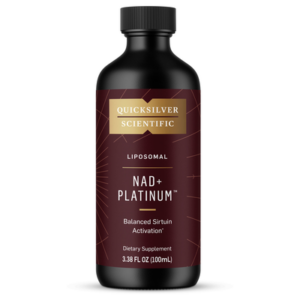

Coming Soon
Dr. Zone’s Proprietary NMN Supplement
Dr. Don Zone, MD, FACC, FAARM, is currently developing a proprietary NMN supplement informed by decades of clinical experience in cardiology and longevity medicine. As a board-certified specialist in both cardiovascular disease and anti-aging medicine, Dr. Zone has spent years evaluating the science behind NAD+ precursors and the role of NMN in supporting cellular energy, mitochondrial function, and healthy aging.
His formula will be designed around the clinical questions he gets most often from patients: not just which ingredient, but the right form, the right dose, and the right co-factors to make it work. Join the waitlist to be first to know when it’s available.
Understanding NAD, NAD+, and NMN: A Physician’s Guide
The science of NAD+ and NMN is expanding rapidly, but the terminology can be confusing. Below, Dr. Zone’s team breaks down the key concepts, the research, and what it means for your supplement choices.
What Is NAD and NAD+?
NAD, or nicotinamide adenine dinucleotide, is a coenzyme found in every living cell. It exists in two primary forms: NAD+ (the oxidized form) and NADH (the reduced form).
Together, these two forms shuttle electrons through metabolic reactions and are essential for the cellular processes that produce energy.
NAD+ is the active form most studied in longevity research. It is required for:
- Cellular energy production via the mitochondrial electron transport chain
- Activation of sirtuins, a family of proteins linked to healthy aging and metabolic regulation
- DNA damage repair
- Regulation of circadian rhythms and immune function
Research has demonstrated that NAD+ levels decline significantly with age, often by 40–60% between young adulthood and midlife. This decline is associated with reduced mitochondrial function, decreased cellular repair capacity, and other hallmarks of biological aging.

What Is NMN?
NMN, or nicotinamide mononucleotide, is a naturally occurring molecule and a direct precursor to NAD+. This means the body uses NMN as a building block to create NAD+, making it one of the most efficient ways to support NAD+ levels.
NMN is found in small amounts in certain foods, including edamame, broccoli, avocado, and cabbage, but dietary sources alone do not provide enough NMN to meaningfully influence NAD+ levels. NMN supplements are designed to deliver meaningful doses that support the body’s NAD+ production.
Preclinical studies in animal models have demonstrated a range of effects associated with NMN supplementation, including support for mitochondrial function, energy metabolism, and muscle health.
Human clinical trials are ongoing, with early published data suggesting that oral NMN supplementation can raise blood NAD+ levels in healthy adults.
NAD vs. NMN: What’s the Difference?
A common question among people exploring longevity supplements is whether to take an NAD supplement or an NMN supplement. The distinction matters, and the answer comes down to bioavailability and how the body absorbs each form.
NAD+ itself is a large molecule that does not easily cross cell membranes when taken orally. Research has raised questions about how well direct supplementation actually raises NAD+ levels in the cells.
NMN, on the other hand, enters cells via a transporter protein and is converted to NAD+ inside the cells, which may be more effective.
| Feature | NAD+ Supplements | NMN Supplements |
| Form taken | Oxidized NAD+ directly | NAD+ precursor |
| Cell absorption | Limited by molecular size | Enters via dedicated transporter |
| Conversion required | No | Yes (converted to NAD+ in cell) |
| Research stage | Limited human data | Growing human clinical trials |
Potential Benefits of NAD+ and NMN Supplements
NAD+ and NMN supplementation is studied for its potential to support several interconnected aspects of cellular and metabolic health. The research base continues to grow and key areas of research interest include:
Cellular Energy and Mitochondrial Function
NAD+ plays a key role in how your cells produce energy and naturally declines as you age. It helps power the mitochondria, which create ATP—the main energy source your body uses every day.
Metabolic Health
Early human research has explored how NMN may support metabolic function, including how the body processes sugar. Some studies have shown improvements in insulin sensitivity, particularly in older adults.
DNA Repair Support
NAD+ is also involved in helping your body repair damaged DNA. It supports enzymes (called PARPs) that detect and fix DNA issues, which is an important part of maintaining healthy cells over time.
Muscle Health and Physical Performance
Emerging research suggests NMN may help support muscle function and energy use in aging populations. This may play an important role in maintaining strength and improving overall physical and fitness performance as you get older.
NAD+, NMN, and Biological Age
One of the most active areas of longevity research is the relationship between NAD+ levels and biological age, which is distinct from chronological age and reflects how well the body’s cells and systems are functioning.
Research from David Sinclair’s lab at Harvard, as well as groups at MIT and the National Institute on Aging, has explored the hypothesis that declining NAD+ levels are both a consequence and a driver of biological aging. Restoring NAD+ levels in aged animal models has been associated with improvements in multiple hallmarks of aging, including mitochondrial function, genomic stability, and metabolic health.
Whether NAD+ restoration translates meaningfully to human biological age measures is an active area of investigation. Biological age testing is becoming more accessible and may eventually allow individuals to track how interventions like NMN supplementation influence their rate of biological aging over time.
FAQ: NAD and NMN Supplements
What is the difference between NAD and NAD+?
NAD is the general name for nicotinamide adenine dinucleotide, which exists in two forms: NAD+ (oxidized) and NADH (reduced). In longevity supplement conversations, NAD+ is the form most commonly referenced because it is the active form required for key cell activity, including DNA repair and mitochondrial energy production. When people say “NAD supplement,” they typically mean a product designed to support NAD+ levels.
What is an NMN supplement?
NMN (nicotinamide mononucleotide) is a dietary supplement containing a direct precursor to NAD+. The body uses NMN as a building block to synthesize NAD+ inside cells. NMN supplements are designed to support the body’s natural NAD+ biosynthesis as levels decline with age.
Is NMN better than NAD supplements?
NMN enters cells via a dedicated transporter and is converted to NAD+ within the cells, which many researchers consider more efficient than direct oral NAD+ supplementation. NAD+ is a large molecule that may have limited absorption through the gut wall.
How long does it take for NMN supplements to work?
Published human studies have demonstrated measurable increases in blood NAD+ levels within weeks of daily NMN supplementation. Whether and how quickly individuals notice subjective changes varies considerably. NMN is best approached as a long-term foundational supplement rather than a short-term intervention.
Is it safe to take NMN with other supplements or medications?
NMN is generally well-tolerated and has a favorable safety profile in published short-term human studies. However, if you are taking prescription medications, particularly for diabetes, cardiovascular conditions, or cancer, consult your physician before adding NMN to your routine. Always disclose all supplements to your healthcare provider.
What should I look for when choosing an NMN supplement?
Key quality markers include third-party testing for purity and potency, GMP (Good Manufacturing Practice) certified production, clear disclosure of the NMN form and dose, and transparency about co-ingredients.
Build Your Anti-Aging Routine
Longevity isn’t about one product. It’s about building a system your body can rely on every day.
Explore Dr. Zone’s anti-aging supplement protocols to create a routine that supports energy, clarity, and long-term health.
Medical Disclaimer: This content is for informational purposes only and is not intended as medical advice. These supplements are not intended to diagnose, treat, cure, or prevent any disease. Always consult a qualified healthcare provider before starting any new supplement regimen, particularly if you are taking prescription medications or managing a health condition.
Join our community today!
Get the latest health tips, anti-aging insights, and updates on Dr. Zone’s Anti-Aging Products and Protocols — delivered straight to your inbox.