
Omega 3
Optimal omega 3 fat intake is critical to heart health.
The lining of our blood vessels is known as the endothelium. Because we have miles and miles of blood vessels transporting blood to every part of our body, the surface area of this thin interior lining is enormous. Image the floor space in a 14,000 square foot house or 3 times the area of the end zone of a football field.
The endothelium is a thin membrane serving as the traffic cop regulating what gets in and out of the blood vessel wall.
Omega 3 fatty acids are a major building block of these membranes. Poorly constructed or deficiently maintained endothelium leads to harmful substances entering the vessel wall causing injury to the muscle layer of the artery. High blood pressure and eventually artery-blocking plaque follows.
We see that maintaining optimal omega 3 intake leads to healthy blood vessels.
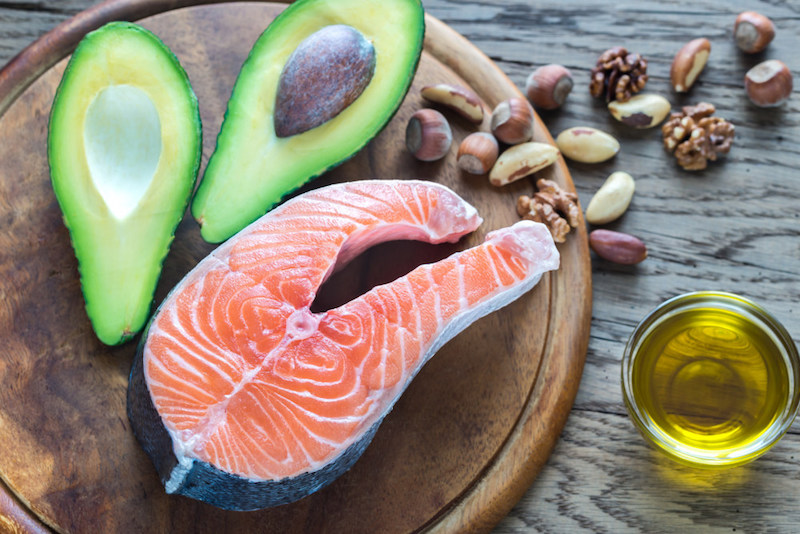
Sources include fatty fish including salmon, mackerel, sardines and albacore tuna. Walnuts, chia seeds and flax seeds also provide some omega 3’s. If adequate amounts of these don’t fit into your nutrition program, consider a concentrated source such as fish oil, krill and EPA/DHA supplements.
The best way presently available to assure our goal is achieved is to measure our omega 3 index and keep it less that 4.