
Written and medically reviewed by Dr. Don Zone, MD, FACC, FAARM — Board-Certified Cardiologist
Disclosure: Dr. Zone formulated Longevion™, a supplement sold on this site, and has a financial interest in it. Longevion is discussed in one clearly labeled section below; it is not ranked against the other supplements on this list.
Almost every week, a patient hands me a bag of supplement bottles and asks which ones are actually doing anything. My honest answer is usually “about a third of them.” The supplement aisle is full of products with impressive mechanisms and animal data, and much thinner evidence in people.
So instead of another list of 20 things to buy, this is a grading of the 20 anti-aging supplements I’m asked about most, sorted by one question: what happened when humans took them in controlled trials? Some earned a place in my own daily routine. Some are promising but unfinished. And some are popular mainly because they sound good.
The Short Answer
The best anti-aging supplements, based on human evidence, are the ones that fix common shortfalls that get worse with age: omega-3s, vitamin D (if your level is low), creatine paired with strength training, protein, magnesium, and a daily multivitamin after 60. These have randomized trials in older adults showing measurable effects on muscle, memory, or markers of biological aging.
A second group, including NMN, NR, CoQ10, dietary nitrate, cocoa flavanols, urolithin A, and collagen, has real but narrower or less consistent human data. Popular compounds like resveratrol, spermidine, and fisetin don’t yet have the human evidence to justify their reputation.
No supplement reverses aging. The best ones support specific systems — muscle, heart, brain, cellular energy — that decline with age.
At a Glance: All 20, Graded
| Grade | Supplements | What it means |
|---|---|---|
| A — Strong human evidence | Omega-3 (EPA/DHA), Vitamin D3, Creatine, Protein, Magnesium, Multivitamin (60+) | Randomized trials in older adults show measurable benefits on aging-related outcomes |
| B — Promising, with caveats | NMN, NR, CoQ10, Dietary nitrate, Cocoa flavanols, Urolithin A, Collagen peptides | Human data exists but is smaller, shorter, or mixed; best for specific goals |
| C — Not proven yet | Resveratrol, Spermidine, Fisetin, Taurine, Curcumin, Alpha-ketoglutarate (AKG), Oral NAD+ | Mostly animal or early data; human trials small, null, or missing |
How I Graded Them
I used the same standard I use in clinic. A supplement earns a grade A only if randomized, placebo-controlled trials in middle-aged or older adults show a benefit on something that matters as we age: muscle strength, physical function, memory, or validated markers of biological age. Mechanisms, animal studies, and cell experiments count for context but not for the grade.
Two more rules. First, where a trial was funded by the maker of the supplement, I say so — industry funding doesn’t make a study wrong, but it’s something you deserve to know. Second, “slows aging” is a big claim. Where a study measured biological-age markers like epigenetic clocks, I describe exactly what was measured rather than translating it into promises.
Grade A: Strong Human Evidence
1. Omega-3 fatty acids (EPA and DHA)
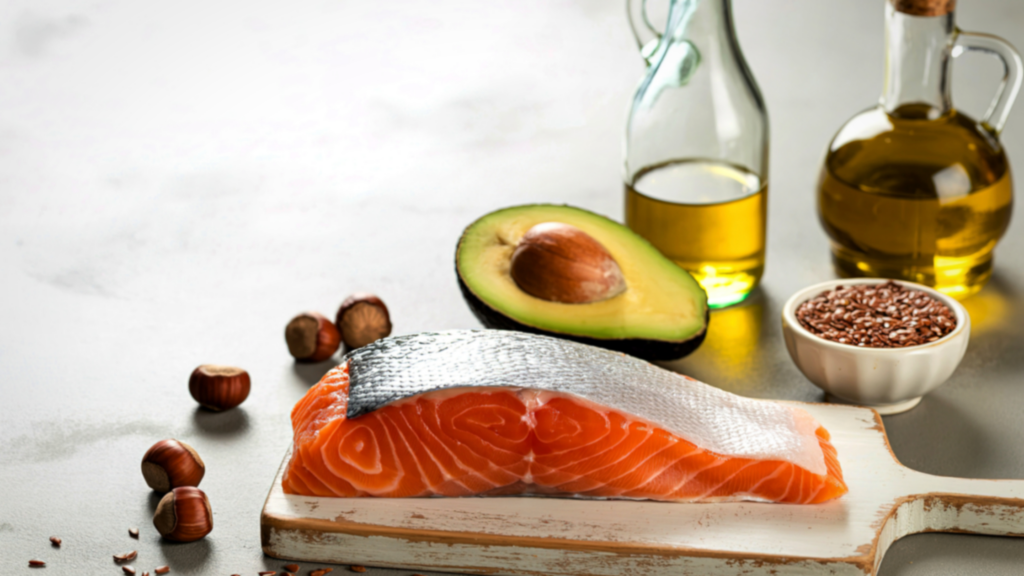
Omega-3s are the supplement with the most direct evidence on biological aging itself. In the DO-HEALTH trial, 777 Swiss adults aged 70 and older took 1 gram of algae-based omega-3 daily, 2,000 IU of vitamin D, a home strength program, or combinations for three years. Omega-3 alone modestly slowed several DNA-methylation “epigenetic clocks” — by up to about four months over the three years — and one clock showed an additive effect when omega-3, vitamin D, and exercise were combined.
As a cardiologist I also look at the larger VITAL trial, where 1 gram a day didn’t significantly lower major cardiovascular events overall, though heart attacks were lower in a secondary analysis. The honest read: a modest, real benefit, not a miracle.
Studied dose: about 1 g combined EPA + DHA daily. Who benefits most: people who eat fatty fish less than twice a week. For choosing a product, see my guide to the best omega-3 supplements.
2. Vitamin D3 (if your level is low)
Vitamin D is the clearest example of a supplement that helps when you’re deficient and does little when you’re not. It was part of the DO-HEALTH combination above, but on its own, the VITAL trial found 2,000 IU daily didn’t reduce heart events or cancer in a generally well-nourished population.
Where vitamin D matters is correcting a shortfall, which becomes more common with age as skin makes less of it. My advice: get a blood level (25-hydroxyvitamin D) before you supplement, and dose to your result rather than taking a megadose on spec. Vitamin D is often paired with vitamin K2; if you take warfarin, talk to your doctor before starting K2.
3. Creatine monohydrate (with strength training)
Creatine has quietly become one of the best-supported healthy-aging supplements — as long as you lift. A meta-analysis of 22 randomized trials in 721 adults with an average age of 57 to 70 found that creatine taken during resistance training added about 1.37 kg of lean mass over training alone, along with greater gains in chest and leg press strength.
Without resistance training, the benefit largely disappears — creatine amplifies the training signal rather than replacing it. Studied dose: 3–5 g daily. Caution: check with your doctor first if you have kidney disease.
4. Protein (whey or other complete protein)
Muscle loss is one of the strongest predictors of frailty, and most older adults under-eat protein. The PROT-AGE expert group recommends 1.0–1.2 g of protein per kilogram of body weight daily for adults over 65, more for active people. A protein powder isn’t magic; it’s simply the easiest way to close the gap, especially at breakfast, where most people eat the least.
5. Magnesium
Nearly half of Americans don’t get the recommended amount of magnesium from food (NIH Office of Dietary Supplements), and absorption declines with age. In a 12-week randomized trial of 124 women averaging about 71 years old, 300 mg of magnesium daily improved a standard physical-performance score, chair-stand time, and walking speed, with the clearest benefit in women whose intake was below recommendations.
Which form: citrate, glycinate, and malate are all well absorbed. Glycinate suits evening use; malate suits daytime energy. I explain the differences in my magnesium malate guide. Caution: avoid supplemental magnesium with significant kidney disease unless your doctor approves.
6. A daily multivitamin (especially after 60)
For years I told patients multivitamins were insurance at best. The COSMOS trial changed my mind for one specific outcome: memory. A meta-analysis of three COSMOS cognitive studies in more than 5,000 older adults found a daily multivitamin improved global cognition and episodic memory, which the authors estimated as roughly two years’ less cognitive aging compared with placebo. The same multivitamin didn’t reduce heart disease or cancer, so the benefit is specific.
Grade B: Promising, With Caveats
7. NMN (nicotinamide mononucleotide)
NAD+ is a coenzyme your cells use to make energy, and levels fall with age. NMN is a direct precursor. In a 60-day randomized trial of 80 adults averaging 49 years old, 300, 600, and 900 mg daily all raised blood NAD+ and improved six-minute walk distance, with the benefit leveling off at 600 mg. A smaller trial in men over 65 found 250 mg daily raised NAD+ with nominal improvements in gait speed and grip strength.
Why grade B rather than A: the trials are short and small, and we don’t yet have long-term outcome data. For dosing detail, see how much NMN to take.
8. NR (nicotinamide riboside)
NR is NMN’s close cousin. In a crossover trial, 1,000 mg daily raised NAD+ in immune cells by about 60% in healthy middle-aged and older adults. A 2026 four-arm, head-to-head trial found 1 gram of NMN and 1 gram of NR raised whole-blood NAD+ by similar amounts over 14 days. Like NMN, NR reliably raises NAD+; what it does for long-term health is still being studied. I compare the two in detail in NMN vs NR.
9. CoQ10 (coenzyme Q10)
CoQ10 is part of the machinery your mitochondria use to make energy, and your body makes less of it as you age. The most striking healthy-aging trial is KiSel-10: 443 older Swedish adults took 200 mg of CoQ10 plus 200 µg of selenium daily for four years, and cardiovascular deaths were about 54% lower than with placebo.
Important caveats: it tested a combination, in a population with low selenium levels, and it was relatively small. It’s a signal worth taking seriously, not a license to expect the same result from CoQ10 alone. CoQ10 matters most if you take a statin, which lowers the body’s CoQ10 — I cover that in CoQ10 and statins. On forms, see ubiquinone vs ubiquinol.
10. Dietary nitrate (beetroot and leafy greens)
Nitrate is the raw material your body uses to make nitric oxide, which helps blood vessels relax. A meta-analysis of 16 randomized trials found inorganic nitrate and beetroot juice lowered systolic blood pressure by about 4.4 mmHg. Food sources work as well as supplements, which is why I grade it B. See my full nitric oxide guide.
11. Cocoa flavanols
In COSMOS, 500 mg of cocoa flavanols daily didn’t significantly reduce total cardiovascular events (the main outcome), though cardiovascular deaths were about 27% lower in a secondary analysis. That’s a hint, not a proof. Note that this was a concentrated extract; you can’t reach that dose from chocolate without a lot of sugar.
12. Urolithin A
Urolithin A is a compound your gut bacteria make from pomegranates and berries, and it supports mitophagy — the recycling of worn-out mitochondria. In a four-month trial of 66 adults aged 65 to 90, 1,000 mg daily didn’t significantly improve the main outcome (six-minute walk distance) but did improve muscle endurance in the hand and leg. The research is sponsored largely by the ingredient’s manufacturer, and results need independent confirmation.
13. Collagen peptides
Collagen is the most honest example of why funding matters. A 2023 meta-analysis of 26 trials found hydrolyzed collagen improved skin hydration and elasticity. But a 2025 meta-analysis of 23 trials found that when you look only at studies not funded by industry, or only at higher-quality studies, the benefit disappears. If you enjoy it and it fits your budget, it’s low risk. Just keep expectations modest.
Grade C: Popular, but Not Proven Yet
14. Resveratrol
Resveratrol made headlines for activating longevity pathways in yeast and mice. In people, trial results have been inconsistent, and the compound is poorly absorbed and quickly broken down. It may still have a role in combination products, but on its own the human evidence doesn’t support its reputation.
15. Spermidine
Spermidine supports autophagy, the cell’s cleanup process, in animal studies. But in the 12-month SmartAge trial, 100 older adults with subjective memory complaints took a spermidine-rich supplement or placebo, and there was no improvement in memory or biomarkers.
16. Fisetin (and other “senolytics”)
Fisetin, a compound found in strawberries, clears aging “senescent” cells in mice. Human trials are small and still underway, and there’s no published evidence yet that it improves healthy aging in people. It’s a fascinating research area — just not a proven supplement.
17. Taurine
A 2023 study in Science reported that taurine supplementation extended healthy lifespan in mice and improved health markers in monkeys. In humans, we only have observational data linking higher taurine levels to better health. Randomized trials in people are needed before I’d recommend it for aging.
18. Curcumin
Curcumin, from turmeric, has anti-inflammatory activity in the lab, but it’s poorly absorbed, and human trials have produced mixed results. Enhanced-absorption formulas exist, yet the evidence for healthy-aging outcomes specifically is thin.
19. Alpha-ketoglutarate (AKG)
AKG extended lifespan in mice. The most-cited human result is a small study of a commercial AKG formula that reported a large drop in epigenetic age — but it had no placebo group and was run with the product’s developer. That’s a reason for a proper trial, not a reason to buy.
20. Oral NAD+
It seems logical to take NAD+ itself, but NAD+ taken by mouth is largely broken down in the gut before it can reach your cells (review). That’s why the research focuses on precursors like NMN and NR, which your cells convert into NAD+. For the full explanation, see NMN vs NAD+.
How I’d Build an Anti-Aging Supplements Stack
If you’re starting from nothing, go in this order:
- Foundations first. No supplement outperforms strength training, enough protein, sleep, and not smoking. Creatine and protein only pay off if the training happens.
- Correct your gaps. Get vitamin D tested. Look honestly at your fish intake (omega-3) and your magnesium intake. Over 60, consider a basic multivitamin.
- Then add targeted support. NMN or NR for NAD+ support, CoQ10 if you’re on a statin or over 60, and nitrate-rich vegetables for circulation.
- Skip the grade C list until better human data arrives, or treat it as an experiment you track with your doctor.
Talk to your doctor first if you take blood thinners (omega-3s, vitamin K2, and some others can interact), have kidney disease (creatine, magnesium), are pregnant, or take several prescription medications.
Where Longevion™ Fits
Disclosure: I formulated Longevion and have a financial interest in it.
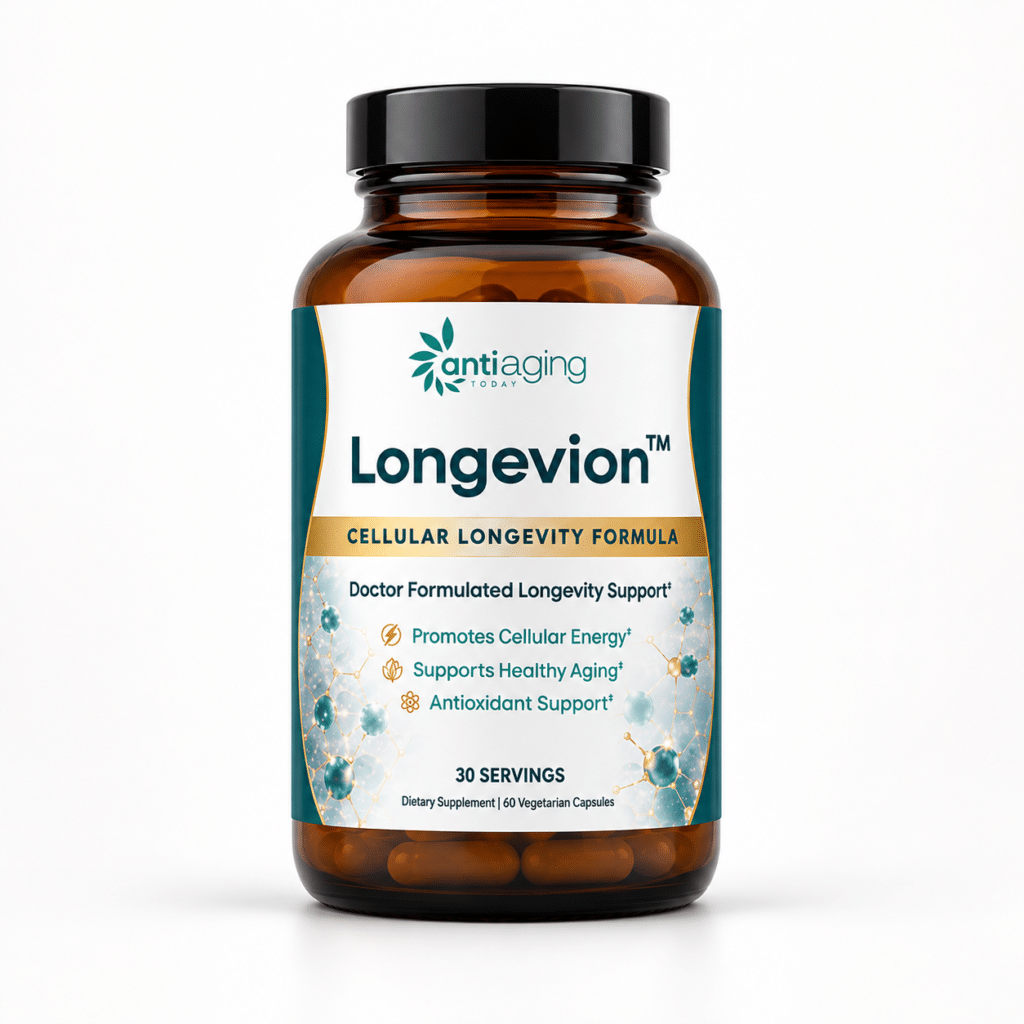
I designed Longevion around the energy chain in several of the supplements above: 300 mg NMN (inside the 250–600 mg range with the strongest human-trial support), 150 mg CoQ10 as ubiquinone, 150 mg magnesium malate, a methylated B-complex, and vitamin D3 (1,000 IU) with K2 (100 mcg), in two capsules each morning. The thesis is meaningful doses of cofactors that work together, rather than one large single-ingredient dose.
To be clear about what it doesn’t cover: Longevion contains no omega-3, creatine, or protein, and those grade A foundations still matter. You can browse the full range of anti-aging supplements selected by Dr. Zone or our longevity supplements.
Frequently Asked Questions
What is the most effective anti-aging supplement?
The most effective anti-aging supplements are the ones that correct common age-related shortfalls: omega-3s, vitamin D if you’re low, protein, and magnesium, plus creatine if you strength train. Omega-3 has the most direct evidence on biological aging, slowing epigenetic-clock measures by up to about four months over three years in adults over 70.
Do anti-aging supplements actually work?
Some do, for specific outcomes. Creatine with strength training builds muscle in older adults, a daily multivitamin improved memory in the COSMOS trials, and omega-3s modestly slowed epigenetic-clock measures in DO-HEALTH. Many popular products, like resveratrol and spermidine, haven’t shown clear benefits in human trials.
What supplements should I take after 50?
After 50, the best-supported supplements are vitamin D (tested and dosed to your level), omega-3s if you eat little fish, magnesium, and enough protein, with creatine if you do resistance training. After 60, a daily multivitamin has trial support for memory. Anyone on medications should review a new supplement with their doctor first.
Can supplements reverse biological age?
No supplement has been shown to reverse aging. The strongest result so far is from the DO-HEALTH trial, where daily omega-3 slowed several epigenetic-clock measures by up to about four months over three years. That’s a modest slowing, not a reversal, and claims of reversing biological age by years usually come from small, uncontrolled studies.
Is it safe to take several anti-aging supplements together?
Most of the grade A supplements can be taken together safely by healthy adults, but combinations raise the odds of interactions. Omega-3s and vitamin K2 can interact with blood thinners, and creatine and magnesium need caution with kidney disease. Review your full list with your doctor, especially if you take prescription medication.
Are collagen supplements worth it for aging skin?
Collagen supplements have mixed evidence for aging skin. A 2023 meta-analysis found improved skin hydration and elasticity, but a 2025 meta-analysis found no benefit when only non-industry-funded or higher-quality studies were counted. Collagen is low risk, so it’s reasonable to try, but keep expectations modest.
Key Takeaways
- The best anti-aging supplements correct shortfalls that grow with age: omega-3s, vitamin D (if low), protein, magnesium, creatine with strength training, and a multivitamin after 60.
- Omega-3s have the most direct evidence on biological aging, modestly slowing epigenetic-clock measures in adults over 70.
- NMN and NR reliably raise NAD+ levels, but long-term outcome data is still coming.
- CoQ10 is most relevant for statin users and adults over 60.
- Collagen’s benefits shrink when you look only at independent studies.
- Resveratrol, spermidine, fisetin, taurine, curcumin, AKG, and oral NAD+ don’t yet have strong human evidence.
- Supplements support healthy aging; they don’t replace exercise, protein, and sleep.
This article is for educational purposes only and is not medical advice. These statements have not been evaluated by the Food and Drug Administration. The supplements discussed are not intended to diagnose, treat, cure, or prevent any disease. Talk with your healthcare provider before starting any supplement, especially if you take medication or have a medical condition.