What Is An NMN Supplement? A Cardiologist’s Complete Guide
If you’ve been researching longevity supplements or following anti-aging science, you have almost certainly come across NMN supplements. It’s moved from the pages of academic journals to mainstream supplement shelves – and for good reason. The science behind it is genuinely interesting, the human clinical data is growing, and the questions it addresses are fundamental to how we age at a cellular level.
But the NMN supplement market is also crowded, inconsistent in quality, and filled with overclaimed marketing language. As a board-certified cardiologist who has spent years studying the intersection of cardiovascular medicine and longevity science, Anti-Aging Today founder Dr. Done Zone is sharing the clear, evidence-based picture of what NMN actually is.
Keep reading to learn what the NMN research does and does not show, and what to look for if you decide it belongs in your supplement strategy.
What Is NMN?
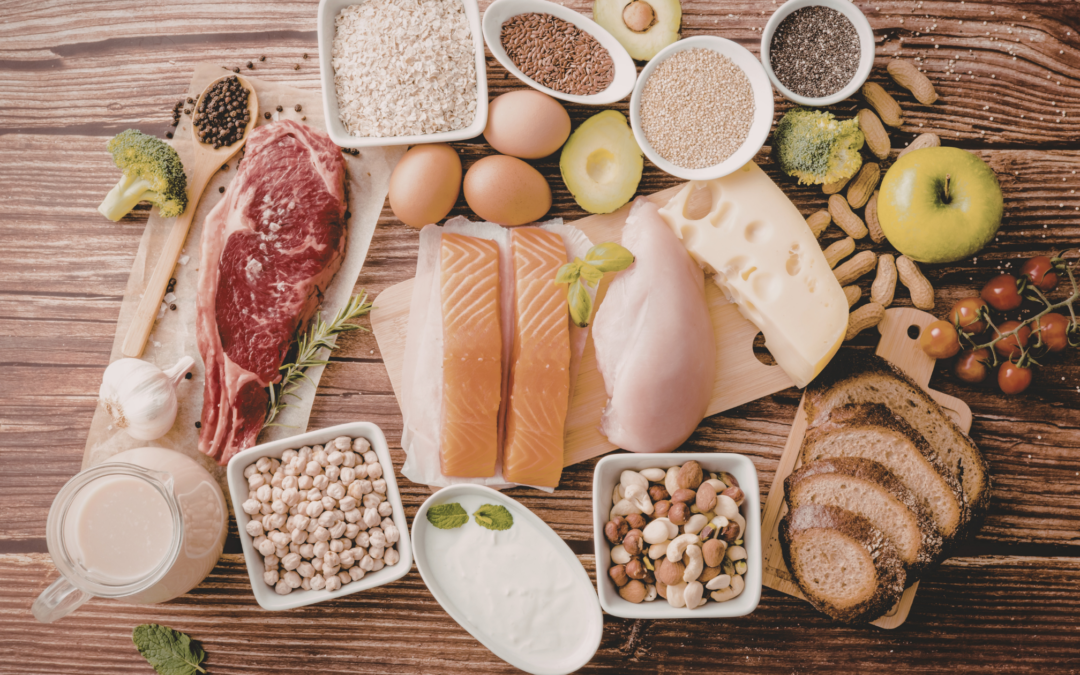
NMN stands for nicotinamide mononucleotide. It is a naturally occurring bioactive nucleotide found in small amounts in all living cells and in trace quantities in certain foods, including edamame, broccoli, avocado, tomatoes, and cabbage.
Structurally, NMN belongs to the nucleotide family, the same group of molecules that form the building blocks of DNA and RNA. Each NMN molecule has three components: a nicotinamide group (a form of vitamin B3), a ribose sugar, and a phosphate group. This specific structure is what allows NMN to function as a direct precursor to NAD+, the molecule that underpins much of the science behind it.
In practical terms, NMN supplements are designed to give the body the raw material it needs to produce more NAD+ from within cells, compensating for the natural decline in NAD+ that occurs with age.
NAD+ and Why It Matters
To understand what NMN does, you need to understand NAD+. NAD, or nicotinamide adenine dinucleotide, is a coenzyme present in every living cell in the body. It exists in two primary forms: NAD+ (the oxidized form) and NADH (the reduced form), and these two forms constantly convert back and forth as they shuttle electrons through metabolic reactions.
NAD+ is required for four essential biological functions:
- Cellular energy production: NAD+ is a critical participant in the mitochondrial reactions that produce ATP, the body’s primary energy currency. Without sufficient NAD+, mitochondria cannot generate energy efficiently.
- DNA repair: PARP enzymes, which detect and repair DNA strand breaks, consume NAD+ as part of the repair process. Research published in Science has linked NAD+ availability directly to the body’s capacity to repair DNA damage.
- Sirtuin activation: Sirtuins (SIRT1 through SIRT7) are a family of proteins often described as longevity regulators. They require NAD+ as a co-substrate to function and are involved in gene expression, inflammation regulation, metabolic health, and stress responses.
- Circadian rhythm regulation: NAD+ plays a role in the molecular clock that governs circadian rhythms, linking cellular energy status to sleep, metabolism, and hormonal cycles.
The central problem is this: NAD+ levels decline significantly with age. Studies, including research published in Cell Metabolism, have documented declines of 40 to 60 percent in NAD+ levels between young adulthood and midlife. This decline is associated with reduced mitochondrial function, decreased DNA repair capacity, and other hallmarks of biological aging.
It’s this decline that the growing market of NAD+ and NMN supplements are trying to solve.
| Explore our full guide to NAD and NMN supplements, including physician-endorsed products, on the Anti-Aging Today NAD and NMN Supplements page. |
How Does NMN Work in the Body?
NMN enters cells via a dedicated transporter protein and is then converted to NAD+ through the NAD+ biosynthesis pathway. This intracellular conversion is what makes NMN an efficient strategy for supporting NAD+ levels compared to some alternatives.
Here is a simple explanation of this pathway:
- NMN is ingested orally and absorbed in the gut
- It enters cells via the NMN transporter (Slc12a8 in animal studies, with human analogs under active research)
- Inside the cell, NMN is converted to NAD+ by the enzyme NMNAT (nicotinamide mononucleotide adenylyltransferase)
- The resulting NAD+ is available for mitochondrial energy reactions, sirtuin activation, and DNA repair
Key Insight
One key advantage of this pathway is that it delivers NAD+ support where it is needed most — inside the cell — rather than relying on extracellular NAD+ to cross the cell membrane, which is more difficult due to NAD+’s molecular size.
NMN Supplement Benefits: What the Research Shows
The research on NMN spans preclinical animal studies, which are extensive, and a growing body of human clinical trials. Here are some of the benefits being seen in these early studies:.
Raises Blood NAD+ Levels
The most consistently replicated finding in human NMN research is straightforward: oral NMN supplementation raises blood NAD+ levels. Multiple published human clinical trials have confirmed this effect.
A 2022 randomized, multicenter, double-blind, placebo-controlled trial published in PMC found that oral NMN at 300, 600, and 900 mg/day for 60 days all significantly increased blood NAD+ concentrations compared to placebo, with the 600 mg dose reaching a performance plateau.
A 2026 head-to-head comparison published in Nature Metabolism confirmed that NMN approximately doubled circulating NAD+ after 14 days of supplementation.
Metabolic Health and Insulin Sensitivity
One of the most significant human trials to date was conducted by researchers at Washington University School of Medicine and published in Science in 2021. The study examined 250 mg/day of NMN for 10 weeks in postmenopausal women with prediabetes and found that NMN improved skeletal muscle insulin sensitivity and insulin signaling compared to placebo. No adverse events were observed. This is one of the first demonstrations of a clinically meaningful metabolic effect of NMN in humans.
Physical Performance and Muscle Function
A clinical study from Guangzhou Sports University examined NMN in amateur runners at doses of 300, 600, and 1,200 mg/day for six weeks. Results showed a dose-dependent increase in skeletal muscle oxygen utilization in the medium and high dose groups, suggesting potential support for exercise performance and muscle energy metabolism. No adverse events were observed at any dose.
Cardiovascular Function
As a cardiologist, the cardiovascular research on NMN is an area Dr. Zone follows closely. Preclinical studies have shown that NMN may support vascular function, reduce oxidative stress in endothelial cells, and support cardiac energy metabolism. Human data in this area is still emerging, but the mechanisms are biologically plausible and consistent with the broader literature on NAD+ and vascular health.
Cognitive Health
NAD+ is essential for brain energy metabolism, and preclinical studies have shown neuroprotective effects associated with NMN supplementation. Human data specifically on cognitive outcomes remains limited, but the mechanistic rationale for supporting brain health through NAD+ precursors is well-established in the literature.
Biological Age
The 2022 multicenter trial referenced above also measured biological age and found trends toward improvement in NMN-treated groups. Still, more research is needed before strong conclusions can be drawn. The relationship between NAD+ levels and biological age markers, including epigenetic clock measures, is an active and expanding area of research.
Important Context
Most published human NMN trials are relatively short in duration (8–12 weeks) and involve smaller sample sizes. The preclinical evidence is robust. The human evidence is promising and growing, but not yet at the scale of decades-long epidemiological studies.
These supplements are not intended to diagnose, treat, cure, or prevent any disease.

NMN vs. NAD Supplement: What’s the Difference?
A common question is whether to take an NMN supplement or a direct NAD supplement. The distinction matters from a bioavailability standpoint.
NAD+ is a large molecule that does not easily cross cell membranes when taken orally. Several researchers have questioned how effectively direct oral NAD+ supplementation raises intracellular NAD+ levels compared to precursor-based approaches.
NMN, by contrast, enters cells via a transporter and is converted to NAD+ inside the cell, which many researchers consider more efficient for supporting intracellular NAD+.
| Direct NAD+ supplement | NMN supplement | |
|---|---|---|
| What it is | Oxidized NAD+ directly | Direct NAD+ precursor |
| Cell absorption | Limited by molecular size | Enters via dedicated transporter |
| Conversion needed | No | Yes — converted inside the cell |
| Human evidence | Limited published data | Multiple published RCTs |
| Dr. Zone’s preference | — | NMN-based formulas |
NMN vs. Other Supplements: Full Comparison
NMN is not the only compound that can influence the body’s NAD+ levels, but it is one of the most studied. Understanding the distinctions between NMN and other NAD+ precursors can help explain why these supplements are not interchangeable, and why formulation choices matter for a physician-guided longevity strategy.
What it is
NMN is a naturally occurring molecule found in small amounts in foods such as edamame, broccoli, avocado, and cabbage. It is a direct precursor to NAD+, meaning the body requires only one enzymatic step to convert NMN into NAD+. NMN enters cells via a transporter and is converted within the cell — considered an advantage over larger molecules that cannot easily cross cell membranes.
What the evidence shows
NMN has the most extensive human clinical trial data of any NAD+ precursor. Published trials have confirmed that oral NMN raises blood NAD+ levels, supports muscle insulin sensitivity in postmenopausal women with prediabetes, supports skeletal muscle oxygen utilization in athletes, and has been well-tolerated at doses up to 900 mg/day for 60 days.
Dr. Zone’s take
“NMN is my preferred NAD+ precursor for its direct intracellular conversion pathway and the quality of its human clinical evidence base. It is the foundation of the proprietary formula I am developing at Anti-Aging Today.”
What it is
Some supplement manufacturers offer NAD+ itself as an oral supplement, bypassing the need for precursor conversion. The appeal is intuitive: why not simply deliver the molecule you want? However, NAD+ is a large molecule, which makes crossing cell membranes difficult.
What the evidence shows
The scientific literature has raised substantial questions about how effectively oral NAD+ supplements raise intracellular NAD+ levels compared to precursor-based approaches. NAD+ that cannot cross cell membranes may be degraded in the gut or bloodstream before reaching target tissues. IV NAD+ delivery bypasses this limitation but is not a practical supplement strategy for most people.
Dr. Zone’s take
“Oral NAD+ supplements are less supported by the current human evidence than precursor approaches. When patients ask me about NAD+ supplementation, I direct them toward NMN or NR, where the absorption mechanism is better understood and the clinical data is more robust.”
What it is
NR is a form of vitamin B3 and a well-studied NAD+ precursor. It is one step further from NAD+ than NMN in the biosynthesis pathway: NR must first be converted to NMN by the enzyme NRK1 or NRK2 before it can be converted to NAD+. NR has a well-established safety profile and has been on the supplement market longer than NMN, accumulating a meaningful body of human research.
What the evidence shows
A 2026 study published in Nature Metabolism by Christen and colleagues directly compared NR, NMN, and nicotinamide in 65 healthy adults. Both NR and NMN approximately doubled circulating NAD+ levels after 14 days of supplementation, while nicotinamide provided only a transient acute effect. The study found no statistically significant difference between NR and NMN for NAD+ elevation at comparable doses.
Dr. Zone’s take
“NR is a legitimate and well-researched option. My preference for NMN reflects its direct entry point in the pathway and the growing depth of NMN-specific human clinical data, but I do not consider NR an inferior choice based on the current evidence. The 2026 head-to-head data showing comparable NAD+ elevation for both is meaningful.”
What it is
NMNH is the reduced form of NMN, meaning it carries an extra hydrogen molecule compared to standard NMN. It is the newest of the major NAD+ precursors to reach the supplement market. Unlike NMN, which is converted to NAD+ via the oxidized pathway, NMNH enters the NADH (reduced) side of the NAD+/NADH cycle, potentially providing a different angle on NAD+ support.
What the preclinical evidence suggests
A 2021 Cell Reports study by Zapata-Pérez and colleagues found that NMNH elevated NAD+ levels faster and to a greater extent than NMN in cell culture and mouse models. These are promising early signals, but preclinical results frequently do not translate directly to human outcomes. As of 2026, no published human randomized controlled trials on NMNH are available.
Dr. Zone’s take
“I follow the NMNH research with interest, but I do not recommend it as a primary NAD+ precursor strategy at this time. The preclinical signals are worth tracking, and I will revisit this assessment as human data emerges. In the meantime, NMN and NR have a substantially stronger evidence foundation.”
What it is
Niacin (nicotinic acid) and niacinamide (nicotinamide) are both forms of vitamin B3, an essential nutrient the body uses as a building block for NAD+. Unlike NMN and NR, which are relatively recent additions to the supplement category, niacin has been used clinically for decades, primarily in high-dose form for lipid management.
What the evidence shows
Niacin enters the NAD+ biosynthesis pathway via the Preiss-Handler route, and niacinamide enters via the salvage pathway — both differing meaningfully from NMN’s direct intracellular conversion. The 2026 Nature Metabolism head-to-head study found that nicotinamide provided only an acute, transient NAD+ spike at four hours post-dosing, with no sustained elevation at 14 days, in contrast to NMN and NR, which both approximately doubled circulating NAD+ levels sustainably.
Dr. Zone’s take
“Vitamin B3 adequacy is important and foundational. But for patients specifically looking to support NAD+ levels as part of a longevity strategy, the 2026 head-to-head data showing that nicotinamide does not sustain elevated NAD+ the way NMN and NR do is an important distinction. I would not use niacin or niacinamide as a substitute for NMN in a NAD+ precursor strategy.”
NMN Supplement Dosage: What Does the Research Say?
Human clinical trials on NMN have used doses ranging from 250 mg to 1,200 mg per day. Here is what the evidence suggests at each range:
| Dose range | What research shows | Notes |
|---|---|---|
| 250 mg/day | Improved muscle insulin sensitivity (Yoshino et al., 2021) | Starting dose used in the Washington Univ. study |
| 300–500 mg/day | Significant NAD+ increases; favorable safety profile | Most commonly studied range; well-tolerated |
| 600 mg/day |
Practical optimal range
NAD+ and physical performance peak in 60-day RCT |
Appears to be a practical optimal range |
| 900–1,200 mg/day | No additional NAD+ benefit over 600 mg in some studies; safe | Diminishing returns observed at higher doses |
The research supports what Anti-Aging Today’s Dr. Zone has long recommended: more is not always better. The goal is to support the body’s natural systems at a dose that has demonstrated meaningful NAD+ elevation with a strong safety profile.
Most healthy adults beginning NMN supplementation should consider starting at the lower end of the evidence-based range and assessing response over 8 to 12 weeks. Individual needs vary based on age, health status, and overall supplement strategy. Consult your physician before starting any new supplement regimen.
Forms of NMN Supplements: Capsules, Sublingual, and Liposomal
NMN supplements are available in several delivery formats, and the form matters for absorption.
Standard Oral Capsules and Tablets
This is the most common and most studied form of NMN supplement and is absorbed through the gastrointestinal tract. Multiple published human trials using oral capsules have confirmed the ability to raise blood NAD+ levels. This is the form used in most of the clinical research cited in this article.
Sublingual (Under-the-Tongue) NMN
Designed to absorb through the mucous membranes, bypassing first-pass metabolism in the liver. Some manufacturers claim faster or more complete absorption from this format, but direct comparative human data versus standard oral NMN is limited. At Anti-Aging Today we believe sublingual NAD+ is an effective, but less studied way, to take these supplements.
Liposomal NMN
This is NMN encapsulated in lipid particles to enhance cellular delivery. Liposomal technology is used across multiple supplement categories to improve absorption of compounds that are otherwise degraded before reaching systemic circulation. A February 2025 randomized, placebo-controlled trial in healthy men found that liposomal NMN significantly increased blood NAD+ compared to non-liposomal NMN at the same dose (350 mg/day over 4 weeks), suggesting that it’s an effective method to raise NAD levels.
Key Insight
When evaluating NMN supplements, the form is one of several quality factors worth understanding. Delivery method, purity, dose transparency, and manufacturing standards all influence the value of a given product.
What to Look for in a Quality NMN Supplement
With the NMN market growing rapidly, product quality varies considerably. Here are the factors to consider when choosing an NMN supplement:
- Third-party testing for purity and potency: Look for products that have been independently tested by a certified third-party lab. The label should confirm the actual NMN content per serving and ideally include a certificate of analysis (COA) you can access.
- GMP-certified manufacturing: Good Manufacturing Practice (GMP) certification means the facility meets FDA standards for production quality, cleanliness, and consistency. This is a minimum quality bar for any supplement you take regularly.
- Dose transparency: The label should clearly state the NMN dose per serving in milligrams, not hide it within a proprietary blend. Based on the clinical evidence, you are looking for products that deliver doses in the 250 to 600 mg range, which have been studied in human trials.
- Form disclosure: The product should clearly state whether it uses standard oral NMN, sublingual NMN, liposomal NMN, or another delivery format, so you can evaluate it against the available evidence.
- Minimal unnecessary additives: A quality NMN supplement should contain the active ingredient and necessary excipients for the delivery format. Avoid products with long lists of artificial colors, fillers, or compounds that add marketing appeal without clinical backing.
- Physician or expert involvement: Supplements designed with clinical input and grounded in the peer-reviewed literature are more likely to reflect the evidence than products developed purely for market positioning.

NMN Supplement Side Effects and Safety
NMN has demonstrated a favorable safety profile in published human clinical trials. Here’s a summary of what the evidence shows:
General Tolerability
Across multiple published human trials using doses up to 900 mg/day for 60 days, no serious adverse events have been reported. NMN is generally described as well-tolerated, with a safety profile comparable to other B3-related compounds.
Potential Minor Side Effects
Some individuals report mild digestive discomfort, including nausea or stomach upset, when beginning NMN supplementation, particularly at higher doses. This is generally transient and often resolves with consistent use or by taking NMN with food. Starting at a lower dose and titrating up, plus taking NMN with food, is a sensible approach.
Medication Interactions
There is limited published human data on NMN interactions with common prescription medications. People managing diabetes (particularly those on insulin or oral hypoglycemics), cardiovascular conditions, or cancer should discuss NMN with their physician before starting. The insulin sensitivity effects observed in the Washington University study are relevant context for anyone on glucose-lowering medications.
Long-Term Safety Data
Most human trials have been 8 to 12 weeks in duration. Longer-term safety data in humans is still accumulating. The existing short-term evidence is reassuring, but NMN is a relatively recent supplement category and multi-year human safety data does not yet exist at the scale of more established nutrients.
Regulatory Status
As of September 2025, the FDA formally reversed its previous position and confirmed that NMN is lawful for use in dietary supplements in the United States. This followed a three-year period of regulatory uncertainty and advocacy by industry organizations including the Natural Products Association. NMN is now clearly legal to market and purchase as a dietary supplement.
Who May Benefit from NMN Supplementation?
NMN supplementation is most relevant for people who are proactively focused on supporting cellular health and energy as they age. Based on the clinical evidence, it is particularly relevant for:
- Adults in their 40s and older, when NAD+ decline becomes more pronounced
- Individuals focused on long-term metabolic health and insulin sensitivity
- People building a comprehensive longevity supplement strategy
- Those looking for foundational cellular energy support alongside diet and exercise
NMN is not a substitute for medical treatment and is not appropriate as a first-line intervention for any diagnosed health condition. It is best understood as a foundational supplement that supports the biological systems involved in healthy aging, within a broader lifestyle and health strategy.
If you are currently managing a chronic health condition, pregnant, nursing, or taking prescription medications, consult your physician before adding NMN to your routine.
When and How to Take NMN Supplements
Most clinical trials have administered NMN once daily in the morning, which aligns with NAD+’s role in circadian rhythm regulation and daytime metabolic activity. Taking NMN earlier in the day is generally preferred over evening dosing for this reason.
NMN can be taken with or without food, though some individuals find it more comfortable with a meal if they experience any digestive sensitivity. There is no strong evidence that specific food pairings dramatically improve or impair absorption for standard oral NMN, though liposomal formulations may absorb better with some dietary fat.
Consistency matters more than timing precision. NMN’s effects on NAD+ levels accumulate over weeks, not hours. Most human studies measured outcomes at 4 to 12 weeks of continuous daily supplementation.
From Dr. Zone: A Cardiologist’s Perspective on NMN
The science behind NMN is not hype. The mechanistic rationale for supporting NAD+ biosynthesis is sound, the preclinical evidence is extensive, and the human clinical data, while still maturing, is generating meaningful signals in areas that matter: metabolic health, physical performance, and cellular energy. The 2026 head-to-head comparison confirming that NMN doubles circulating NAD+ in humans is a significant data point.
At the same time, NMN is not a magic molecule. It will not reverse decades of damage overnight, it does not replace foundational lifestyle habits, and anyone claiming it will “erase aging” is selling you a story that the science does not support.
What NMN can do, when used consistently as part of a thoughtful longevity strategy, is support the cellular energy systems and repair pathways that naturally decline with age. For people who are already doing the foundational work, that is a meaningful contribution.
Frequently Asked Questions About NMN Supplements
NMN supplements are used to support the body’s natural production of NAD+, a coenzyme that plays essential roles in cellular energy production, DNA repair, sirtuin activation, and metabolic regulation.
NAD+ levels decline with age, and NMN supplementation is designed to help maintain NAD+ biosynthesis as part of a broader longevity and healthy aging strategy.
These supplements are not intended to diagnose, treat, cure, or prevent any disease.
Multiple published human clinical trials have demonstrated that oral NMN supplementation raises blood NAD+ levels, which is the primary measurable outcome. Human studies have also shown improvements in muscle insulin sensitivity, physical performance, and markers of metabolic health in specific populations.
The evidence is most robust for NAD+ elevation itself; evidence for downstream clinical outcomes is promising but still accumulating.
Published human clinical trials using daily NMN supplementation at doses up to 900 mg/day for up to 60 days have reported no serious adverse events. NMN is generally described as well-tolerated with a favorable short-term safety profile. Long-term safety data in humans beyond 12 weeks is still accumulating.
As with any supplement, consult your physician before starting daily NMN use, particularly if you are taking prescription medications or managing a chronic health condition.
NMN is a direct precursor to NAD+ that enters cells via a transporter and is converted to NAD+ intracellularly. Direct oral NAD+ supplements face absorption limitations due to NAD+’s molecular size, which makes crossing cell membranes difficult.
Multiple human trials have confirmed that oral NMN raises blood NAD+ levels effectively. For this reason, many longevity researchers and physicians, including Dr. Zone, prefer NMN-based formulas over direct NAD+ supplementation.
Human clinical trials have used doses ranging from 250 mg to 1,200 mg/day. The most commonly studied range is 250 to 600 mg/day. A 60-day randomized controlled trial found that blood NAD+ and physical performance outcomes plateaued around 600 mg/day, suggesting that higher doses do not provide additional benefit.
Most experts recommend starting at the lower end of the evidence-based range and assessing response over 8 to 12 weeks.
Consult your physician for personalized dosing guidance.
Most human clinical trials have administered NMN in the morning, which aligns with NAD+’s role in circadian rhythm regulation and daytime metabolic activity. Morning dosing is generally preferred.
There is no strong evidence that NMN causes sleep disruption at standard doses, but daytime use is the convention established in published research.
Published human trials have measured significant increases in blood NAD+ levels within two to four weeks of daily supplementation. Whether and how quickly individuals notice subjective changes varies considerably.
For metabolic and physical performance outcomes, the most significant results in clinical trials were measured at 8 to 12 weeks of consistent daily use. NMN is best approached as a long-term foundational supplement rather than a short-term intervention.
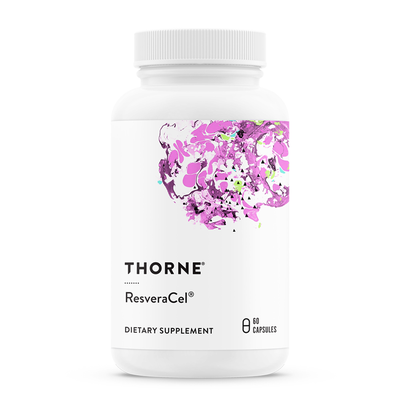
NMN is commonly combined with other longevity-focused supplements. Resveratrol is frequently paired with NMN because resveratrol activates sirtuins, which require NAD+ to function, creating a complementary effect (see ResveraCel). Combinations with CoQ10, omega-3 fatty acids, and foundational vitamins are also common in longevity stacks. For a broader overview of physician-endorsed options, visit the Anti-Aging Supplements collection.
Published human safety data on NMN combined with other supplements is limited, so disclosing all supplements to your healthcare provider is advisable.
The Verdict on NMN Supplements
NMN is one of the most scientifically substantive supplements in the current longevity space. The rationale for supporting NAD+ biosynthesis is mechanistically sound, the human clinical evidence is growing in both volume and quality, and the safety profile is favorable in the studies conducted to date.
It is not a cure for aging, it will not compensate for poor lifestyle habits, and it should be evaluated with the same critical lens you would apply to any supplement. But for people who are committed to supporting their cellular health over the long term, physician-guided NMN supplementation is a strategy grounded in real science.
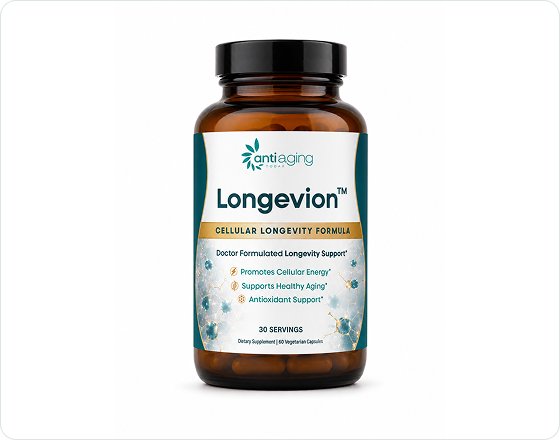
At Anti-Aging Today, the products we recommend reflect this standard. Do your own research, ask the same questions about quality and evidence, and make decisions that are right for your individual health profile.
| Ready to explore physician-endorsed NAD and NMN supplements? Visit the Anti-Aging Today NAD and NMN Supplements page to see the products Dr. Zone currently recommends. |

Medical Disclaimer: This content is for informational purposes only and is not intended as medical advice. NMN supplements have not been evaluated by the FDA to diagnose, treat, cure, or prevent any disease. Always consult a qualified healthcare provider before starting any new supplement regimen, especially if you are pregnant, nursing, managing a chronic health condition, or taking prescription medications.