by Zonemarcus | Feb 4, 2019 | Today's Information
Medically reviewed by Dr. Don Zone, MD, FACC, FAARM — Board-Certified Cardiologist
SODA OR POP?
“DIET” OR SUGAR?
We often banter about whether to call it soda or pop. It depends on where we are. Regardless of what we call them, the link between sugar sweetened beverages and obesity is now clear.
“Diet” drinks bring up another subject. Because they have an artificial sweetener and no calories does that translate to less weight? What does the artificial sweetener do to our human hunger biology? How does our human biochemistry process it? Is the end result disease or health? A September 2012 study published in the Journal of General Internal Medicine found that drinking diet soda daily was associated with an increased risk of bad blood vessel events. Other studies are confirming associations with neurological disorders including multiple sclerosis. Since it takes months or years for these manifestations of disordered biology to occur, the association often escapes the casual observer.
Most perceptive drink companies are getting into pure or naturally flavored waters and pure teas, realizing that most health conscious consumers they serve will not choose beverages that are harmful to their health.

by Zonemarcus | Feb 4, 2019 | Today's Information
Join The HeartVolution!
We have come a long way from when our ancestors searched over generations to identify foods and herbs that improved our heart health. In the 1900’s, the earliest heart medications were purified, digitalis from the foxglove plant and quinidine from Andean forest cinchona tree bark. Heart toxins were identified including mercury, cocaine, and environmental pollutants. Specific vitamin and mineral deficiencies resulting in heart diseases were uncovered, including inadequate vitamin D, calcium, magnesium, potassium and B vitamins. Evaluations of general populations allowed some effective public health initiatives to succeed for a percentage but left many individuals behind. Physical activity was recognized as being good for the heart and blood vessels. Colored vegetables topped the list of foods identified as hearth healthy. There was unfortunately a huge misstep in placing all the blame for heart disease on saturated fat. We just didn’t know enough to allow all our energy to be focused on that ill-defined target.
Enter the advances of this century. The human genome project revealed the blueprint for our species. Along with it came the understanding that we are all unique. Our genes vary quite a bit from person to person. We were surprised to learn they can be turned on and off. Then we were blown away by the Human Microbiome Project showing that the trillions of microorganisms making up part of our digestive system from mouth to colon are huge parts of our DNA and our health.
Amazing techniques including NMR developed allowing us to understand that fat biochemistry is a very complex world and not just cholesterol.
The stage for the HeartVolution is set. We are beginning to measure and optimize all the beneficial components of our biochemistry, not only with the shotgun of public health, but also with the precision of a laser for each specific human. Wow! We are seeing the root causes of all those symptoms and diseases we could never understand before.
The HeartVolution is:
*Optimizing our critical building blocks like Vitamin D and omega 3 fatty acids
*Optimizing our microbiome with fermented foods and probiotics
*Minimizing unnecessary inflammation with our best nutritional program
*Ridding our personal environment of toxins
We continue to advocate I CAN DO:
Inflammation –cut unnecessary inflammation. It is a root cause of heart blockage. Anti-inflammatory foods and supplements can help.
Control gut health—the microbiome science is overwhelming on this point.
Activity–any type is good. Specific programs can produce amazing results
Nutrition–more scientific information and favorite foods are identified every day
D3 Vitamin—This critical component of out health must be optimized
Omega 3 ‘s – Must make up a major part of our fuel to build a healthy blood vessel system and indeed a healthy human.
The HeartVolution is here!

by Zonemarcus | Feb 4, 2019 | Today's Information
Magnesium – A first step in blood pressure control!
MAGNESIUM IS A CENTRAL ELEMENT IN THE CONTROL OF OUR BLOOD PRESSURE. OUR BIOCHEMISTRY DOES NOT FUNCTION WELL WHEN WE HAVE AN INSUFFICIENT SUPPLY OF THIS INGREDIENT OF THE BIOLOGICAL SOUP WE KNOW TO BE OURSELVES. MOST NOTABLY, OUR BLOOD VESSELS FAIL TO RELAX PROPERLY, CONTRIBUTING TO HIGH BLOOD PRESSURE.
ECLAMPSIA IS A CONDITION WHICH MAY BE FAMILIAR TO MANY OF US. ASSOCIATED WITH LATE PREGNANCY, IT IS CHARACTERIZED BY ELEVATED BLOOD PRESSURE, WHICH CAN INDEED BE CRITICAL. THE TREATMENT USED FOR DECADES IS MAGNESIUM. IT IS EFFECTIVE BECAUSE IT ADDRESSES THE BIOCHEMISTRY OF THE CONSTRICTED BLOOD VESSEL, ALLOWING IT TO RELAX.
MAGNESIUM IS INVOLVED IN MANY BIOCHEMICAL PROCESSES IN OUR BODIES. ESTIMATES ARE IN THE HUNDREDS.
MAGNESIUM IS CALCIUM’S PARTNER. NEITHER DO THEIR JOB NEARLY AS WELL WITHOUT THE FULL SUPPORT OF THE OTHER. CALCIUM GETS ALL THE PRESS, BUT MAGNESIUM DESERVES JUST AS MUCH.
INSUFFICIENT MAGNESIUM MAY MANIFEST ITSELF IN THE FORM OF MUSCLE CRAMPS, IRREGULAR HEART BEATS, DIZZINESS, WEAKNESS, CONFUSION AS WELL AS MANY OTHER WAYS.
WE GET MAGNESIUM IN OUR FOOD. DEFICIENCY RESULTS FROM INADEQUATE FOOD SOURCES, POOR ABSORPTION, AND LOSING TOO MUCH IN THE URINE.
FOODS CONTAINING GOOD AMOUNTS OF MAGNESIUM:
DARK LEAFY GREENS: SPINACH, COLLARD GREENS ETC.
AVOCADO
NUTS: ALMONDS, PECANS, BRAZIL NUTS WALNUTS ETC. WE JUST GET A NUT MIX AND KEEP IT OUT FOR HAVING A SOME PERIODICALLY DURING THE DAY. WE KNOW ABOUT THE CALORIE COUNTERS, BUT HAVE REALIZED WITH ALL THE HORMONES AND BIOCHEMISTRY INVOLVED, NUTS DON’T SIMPLY TRANSLATE TO WEIGHT.
THE BROCCOLI FAMILY THEY ARE ALWAYS NUTRIENT RICH WINNERS
DARK CHOCOLATE (IT SEEMS THIS IS ALWAYS A FUN CHOICE)
BEANS: DON’T FORGET CHICKPEAS, LENTILS AND BLACK-EYED PEAS
WHOLE GRAINS: BROWN RICE, OATS, BUCKWHEAT, WHOLE GRAIN PASTA AND QUINOA. REMEMBER THAT “REFINED GRAINS” ARE MORE PROPERLY TERMED “DEPLETED GRAINS”
FISH
YOGURT: (AVOID THE SUGARED ONES)
POOR MAGNESIUM ABSORPTION:
MAINTAINING A HEALTHY GUT WITH PREBIOTICS AND PROBIOTICS CAN HELP.
USING SUPPLEMENTS WHICH ARE EASILY ABSORBED WILL WORK.
LOSING TOO MUCH MAGNESIUM IN THE URINE:
DIURETICS “WATER PILLS” DO THIS.
NATURAL DIURETICS LIKE CAFFEINE AND BEER. WE ALL KNOW THIS.
THIS IS ALL PART OF THE BIGGER PICTURE FOR HEART HEALTH. WE SHOULD MAKE SURE WE HAVE ENOUGH MAGNESIUM, CALCIUM, VITAMIN D3 AND VITAMIN K2.
SO, DO WE JUST ROUGHLY ADJUST BASED ON THIS KNOWLEDGE, OR DO WE MEASURE TO SEE IF WE ACTUALLY HAVE ACHIEVED THE RESULT WE WANT?
GOOD: A SERUM MAGNESIUM TEST IS BETTER THAN GUESSING. THE PROBLEM IS THAT 99% OF MAGNESIUM IS NOT IN THE BLOOD, BUT IN OUR CELLS. IN OTHER WORDS, THE TEST ONLY MEASURES THE NUMBER OF PEOPLE ON THE ROAD, WHEN THERE MAY BE VERY FEW AT THEIR DESIRED DESTINATION.
BETTER: RBC MAGNESIUM TEST. THIS MEASURES THE MAGNESIUM IN THE RED BLOOD CELLS. IF OUR RED CELLS DON’T HAVE ENOUGH, WE CLEARLY NEED MORE.
BEST: IONIZED MAGNESIUM AND/OR EXA TEST CAN BE HELPFUL FOR SPECIFIC INDIVIDUAL BUT WON’T BE OF MUCH VALUE FOR MOST OF US.
WE ALWAYS REMEMBER THAT EACH OF US IS UNIQUE, THUS WE ALWAYS CONSULT WITH OUR PERSONAL HEALTH CARE PROFESSIONAL.
IDEALLY, MAGNESIUM IS NORMALIZED BEFORE ANY TREATMENT FOR HIGH BLOOD PRESSURE. WHEN ALREADY BEING TREATED WITH PRESCRIPTION DRUGS FOR SPECIFIC ABNORMALITIES LIKE HIGH BLOOD PRESSURE, DIABETES, OR INTESTINAL DISEASE, MAGNESIUM WILL HAVE AN EFFECT AND MUST BE CAREFULLY ADJUSTED WITH MEDICATIONS IN MIND.
IF NEEDED, SUPPLEMENTAL MAGNESIUM CAN BE TAKEN IN MANY FORMS. WE SHOULD REMEMBER THAT TAKING CERTAIN MAGNESIUM SUPPLEMENTS BY MOUTH CAN RESULT IN DIARRHEA SO START WITH A LOW DOSE AND INCREASE AS TOLERATED. WE ALL KNOW MILK OF MAGNESIA AS A COMMON LAXATIVE.
ORAL FORMATIONS, TOPICAL GELS AND LOTIONS AND MAGNESIUM BATH SALTS ARE AVAILABLE. EPSOM SALT (MAGNESIUM SULFATE) HAS LONG BEEN USED ORALLY AS A LAXATIVE, BUT FOOT SOAKS OR BATHS CAN RESTORE MAGNESIUM LEVELS. For Epsom salt baths, use 2 cups of Epsom salt in the tub and soak for 15 minutes 2 or 3 times a week. What a relaxing way to provide our body with one of the critical components it craves.
SWIMMING IN SEA WATER ALLOWS MAGNESIUM ABSORPTION THROUGH THE SKIN.
MAINTAINING A NORMAL MAGNESIUM IS BASIC TO OUR HEART HEALTH.
Learn more about longevity supplements and products including hydrogen water, NuSkin products and more.

by Zonemarcus | Feb 4, 2019 | Today's Information
It’s possible to slow down the aging process!
Much more is known, day by day, about the biochemical mechanisms that make up our being. The biochemistry and biophysics involved is basic, but the appreciation of the importance of certain reactions and how they can be enhanced is new.
Aging is an unclear term that really refers to deterioration of our optimal biochemistry.
We have always known that some persons age more quickly than others. One of the extremes of this proves the rule. Individuals with the Progeria condition have rapid deterioration of biochemical mechanisms due to their DNA composition. (See Drill down 1 below)
One of the keys to this is the NAD-NADH reaction basic to our system.
The more poor, lonely unpaired electrons circulating in our bodies, the greater the deterioration of our system. The more NAD (electron paired molecules) the better.
More of the building blocks, such as pterostilbene and forms of Vitamin B3, result in more NAD and slower deterioration or “aging.”
More of these building blocks can be taken in through food with high amounts of the proper nutrients.
Pterostilbene is found in almonds, blueberries and grape leaves.
Niacin is the food source of the building blocks and in found in sweet peppers, portabella mushrooms, apricots, sesame seeds, ginger, tuna, venison and pork among many others.
A somewhat easier way for those of us whose nutrition habits are lacking is to take purified forms of these nutrients so that the optimal effect can be achieved.
(Drill Down 1)
This is called the Hutchinson-Gilford progeria syndrome. Like many medical conditions, the name says nothing about the actual root cause or remedies for the condition. The DNA in these persons is degraded rapidly such that at ages less than 10 years they have physical characteristics of the average elderly person. Certainly this is a brave group of resilient individuals, relatives and friends who work to improve this condition all the while embracing the remarkable life the present situation offers.
by Zonemarcus | Feb 4, 2019 | Today's Information
Picking our poison?
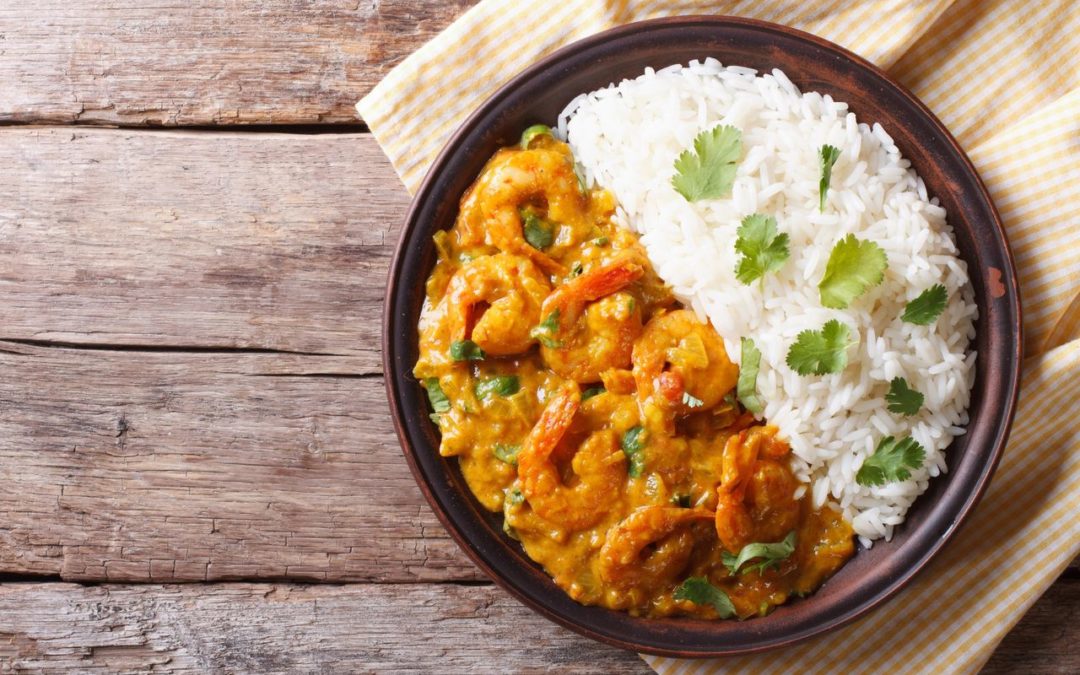
WHITE RICE IS HIGH IS SUGAR. EXCESSIVE SUGAR, A PRIMARY VILLAIN IN THE HEART DISEASE STORY, PROMOTES OBESITY AND HEART DISEASE.
ON THE OTHER HAND, BROWN RICE CONTAINS THE HUSK WHERE DAMAGING LECTINS LURK. LECTINS ARE CARBOHYDRATE-BINDING PROTEINS PRESENT IN MANY PLANTS AND ARE IMPOSSIBLE TO AVOID ENTIRELY IN THE DIET. THEY ARE PARTIALLY NEUTRALIZED BY COOKING.
LECTINS ARE HIGHLY INFLAMMATORY. CHECKING OUR hsCRP LEVEL AND KEEPING IT LOW GIVES OF A MEASURE OF HOW WE ARE DOING IN HEART DISEASE PREVENTION.
LESS THAN 1.0 IS GOOD, LESS THAN 0.5 BETTER AND LESS THAN 0.1 BEST.
DON’T CONFUSE LECTIN (AN INFLAMMATORY FOOD COMPONENT) WITH LEPTIN (A HORMONE IN OUR BODY THAT REGULATES OUR APPETITE AND FAT.)
DISCOVERED IN 1994, LEPTIN IS A HORMONE WHICH IS MADE IN OUR FAT CELLS. IT GOES THE HYPOTHALAMUS PART OF OUR BRAIN AND USES VAGUS NERVE PATHWAYS TO TELL US WHEN WE ARE FULL. ONE EFFECT OF LECTIN IN OUR FOOD IS TO MAKE US RESISTANT TO THE HORMONE LEPTIN’S MESSAGE THAT WE’VE EATEN ENOUGH. ULTIMATELY, LEPTIN CONTROLS OUR APPETITE AND OUR FAT.
SIMPLY IT APPEARS BEST TO US TO CONTINUE WITH WHOLE FOODS AND A PLANT BASED MATRIX WHILE BEING AWARE THAT EXCESSIVE LECTIN CAN BE A CULPRIT IN OBESITY AND CHRONIC DISEASE. SOME COOKED BROWN RICE IS NOT A BAD CHOICE AS PART OF WHOLE FOOD NUTRITION WITH LOTS OF FIBER. LIMITING SUGAR, FOODS THAT GO TO SUGAR, AND PROCESSED FOODS ARE GOOD CHOICES.
DRILL DOWN:
Miyake K, Tanaka T, McNeil PL, 2007 Lectin-Based Food Poisoning: A New Mechanism of Protein Toxicity. PLoS ONE 2(8): e687. doi:10.1371/journal.pone.0000687
“The Plant Paradox” Steven Gundry, MD
by Zonemarcus | Feb 4, 2019 | Today's Information
Written and medically reviewed by Dr. Don Zone, MD, FACC, FAARM — Board-Certified Cardiologist
When patients ask me for the one thing they can do for their circulation, they expect to hear about a pill. What I usually talk about instead is a gas — a molecule so short-lived it survives only a few seconds in the body, yet so central to cardiovascular health that the scientists who worked out what it does were awarded the 1998 Nobel Prize in Medicine. That molecule is nitric oxide, and if you are past 40, you are making meaningfully less of it than you used to.
The good news: nitric oxide responds to what you eat and how you live more directly than almost anything else in cardiovascular medicine. Here is what it does, why it declines, and how to get it back — all backed by science.
The Short Answer
Nitric oxide (NO) is a signaling molecule your blood vessels produce to relax and widen themselves — a process called vasodilation. More nitric oxide means more flexible arteries, healthier blood pressure, and better delivery of oxygen and nutrients to every tissue that needs them: heart, muscles, brain.
Production declines with age, which is one reason blood pressure tends to creep upward in midlife. The most evidence-backed ways to support it are eating nitrate-rich vegetables (leafy greens and beets), regular exercise, and — surprisingly — protecting the bacteria in your mouth that convert dietary nitrate into a form your body can use.
What Is Nitric Oxide?
Nitric oxide is a gas that acts as a messenger inside the body. The inner lining of your blood vessels — the endothelium, a one-cell-thick layer with the surface area of several tennis courts — produces it continuously, releasing tiny puffs that tell the surrounding smooth muscle to relax. When that muscle relaxes, the vessel widens, blood flows more freely, and pressure inside the pipe drops.
Your body makes nitric oxide two different ways, and the distinction matters for everything that follows:
The internal pathway. Endothelial cells build NO from an amino acid called L-arginine, using an enzyme called eNOS (endothelial nitric oxide synthase). This is the workhorse pathway — and it is the one that weakens with age.
The dietary pathway. Nitrate from vegetables is absorbed, concentrated in your saliva, and converted by bacteria on your tongue into nitrite, which your body then converts to nitric oxide. This backup route becomes increasingly important as the internal pathway slows down, and it is the reason food choices move the needle here.
If the name sounds familiar from a pharmacy shelf, there is a reason: nitroglycerin, prescribed for chest pain since the 1800s, works by delivering nitric oxide to the vessels around the heart. Medicine has been borrowing this molecule for over a century.
Nitric Oxide Benefits: What the Research Shows
Healthy blood pressure
This is the best-documented benefit. A meta-analysis of 16 randomized trials in the Journal of Nutrition found that inorganic nitrate and beetroot juice supplementation lowered systolic blood pressure by an average of 4.4 mmHg. That is a meaningful number — population studies associate even a few mmHg of sustained reduction with lower stroke risk.
The reverse experiment is just as telling. When researchers gave healthy volunteers an antiseptic mouthwash for seven days — wiping out the oral bacteria that activate dietary nitrate — plasma nitrite fell by about 25% and blood pressure rose by 2–3.5 mmHg within a day. Blood pressure is a topic I return to often on this site; my deeper guide to understanding and managing blood pressure covers the full picture.
Circulation and oxygen delivery
Wider vessels move more blood at lower cost. That shows up in the research as improved exercise tolerance: dietary nitrate has repeatedly been shown to reduce the oxygen cost of exercise, which is why beetroot juice became a fixture in endurance sport. For my patients, the more relevant translation is everyday energy — climbing stairs, carrying groceries, keeping pace on a walk. Oxygen delivery is energy, and nitric oxide is the traffic controller.
Heart health over the long term
A healthy endothelium that produces nitric oxide freely is one of the strongest markers of cardiovascular resilience. Declining NO bioavailability is an early step in the chain that leads to stiff arteries and atherosclerosis — researchers now describe it as a central mechanism of vascular aging. Protecting nitric oxide production is, in a real sense, protecting the heart you will have in twenty years.
Beyond the heart
Nitric oxide signaling also supports brain blood flow and plays the central role in male sexual function — the entire class of erectile dysfunction medications works by amplifying the nitric oxide pathway. Declining NO is one reason both concerns become more common after 40. The molecule is not a cure for anything; it is infrastructure.
What Happens to Nitric Oxide Production After 40
Nitric oxide production does not fall off a cliff — it erodes, through several compounding mechanisms that a 2025 review in the Journal of Cardiovascular Aging lays out in detail:
The eNOS enzyme becomes less active with age, receiving fewer “on” signals and more “off” signals. Its critical cofactor (BH4) becomes depleted, and without it the enzyme “uncouples” — instead of producing nitric oxide, it starts producing free radicals that destroy nitric oxide. Oxidative stress rises with age, scavenging NO before it can do its job. And levels of ADMA, a natural blocker of the enzyme, climb with age in a way that correlates directly with worsening vascular function.
The practical translation: by midlife, the internal production line is running below capacity while demand stays the same. That is precisely why the dietary pathway — nitrate from food — matters more after 40 than at any other point in life. It is the supply route you still fully control.
Nitric Oxide Foods: What to Eat
A clarification worth making: no food contains nitric oxide. What vegetables contain is nitrate — the raw material your body converts to NO through the salivary pathway described above.
The standard reference on food nitrate content, published in the American Journal of Clinical Nutrition, puts these vegetables in the highest category (more than 250 mg of nitrate per 100 g):
- Arugula (rocket) — the top of the table
- Spinach — sampled as high as 741 mg/100 g
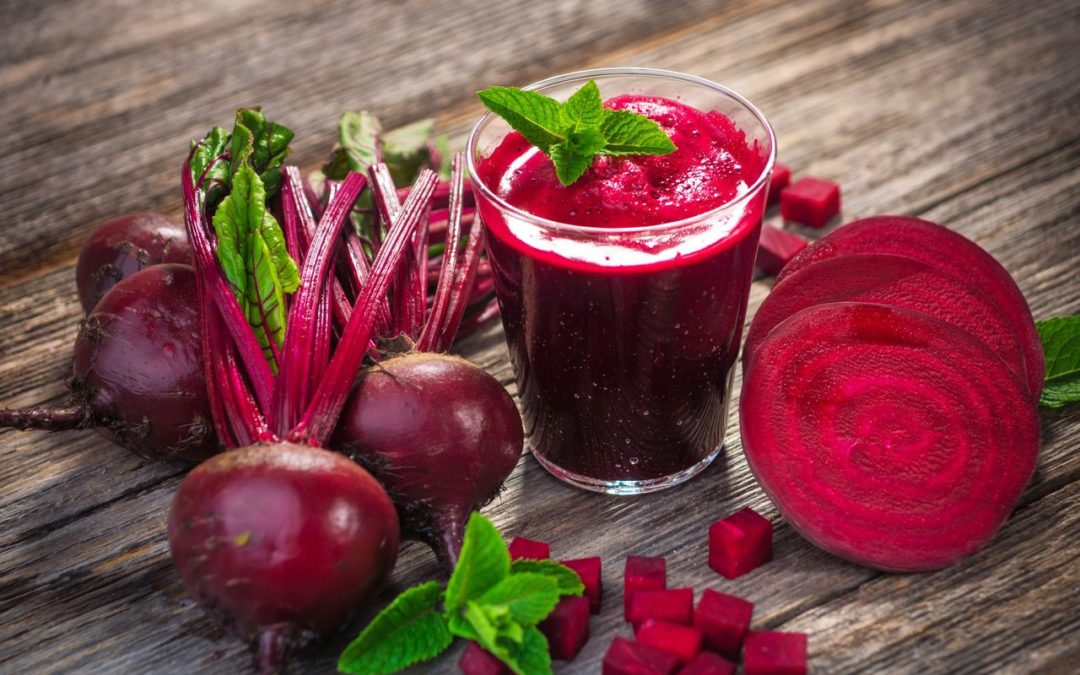
- Beetroot — the most studied source, and the base of most trial protocols
- Celery, lettuce, and cress
One tier down (100–250 mg/100 g): fennel, leek, parsley, endive, and Chinese cabbage.
Two practical notes from the research. First, dose and consistency matter: the beetroot juice trials that moved blood pressure typically delivered 300–500 mg of nitrate daily, with better results after two or more weeks of consistent intake — think a daily salad or beet serving, not an occasional one. Second, young greens punch above their weight nutritionally; I’ve written about why microgreens are one of the easiest upgrades to a midlife diet.
Pomegranate deserves its own mention because it works differently. Rather than supplying nitrate, pomegranate’s polyphenols protect the nitric oxide you already have: research by Nobel laureate Louis Ignarro found that pomegranate juice shields NO from oxidative destruction and enhances its biological action. I cover the fruit’s broader cardiovascular case in my pomegranate guide.
How to Increase Nitric Oxide Naturally
- Eat from the high-nitrate list daily. One generous serving of arugula, spinach, or beets most days is the foundation. This is the single most evidence-backed step on this list.
- Chew your vegetables — or at least keep them in your mouth. The conversion of nitrate to nitrite happens in your mouth, courtesy of your oral bacteria, so contact time matters. This is the science behind what I call the smoothie trick — chewing your drinks to boost nitric oxide — which I’ve written up separately.
- Rethink daily antiseptic mouthwash. The same oral bacteria are collateral damage of twice-daily antiseptic rinses — in the study above, a week of chlorhexidine mouthwash measurably raised blood pressure. Oral hygiene matters; routine antiseptic carpet-bombing may not. If a dentist has prescribed a rinse, follow their guidance — and mention it at your next visit.
- Move, most days. Exercise is the strongest stimulus for your internal eNOS pathway — the friction of blood moving faster across the endothelium directly signals it to produce more NO, and regular training improves vascular responsiveness even when started in midlife. It does not need to be heroic: brisk walking counts.
- Be honest about supplements. Beetroot powders and juices can work — they are simply concentrated delivery of the same nitrate found in food, and most positive trials used exactly that. L-citrulline, an amino acid that feeds the internal pathway, has reasonable supporting evidence. But no capsule replaces the dietary pattern, and anyone taking blood pressure medication or nitrate drugs (like nitroglycerin) should talk to their physician before adding a concentrated NO booster — the effects stack. For patients building a broader cardiovascular routine, my heart health protocols page lays out what I actually recommend and why.
FAQ: Nitric Oxide
What are the symptoms of low nitric oxide?
There is no routine clinical test, and low nitric oxide rarely announces itself directly. The signals are downstream and gradual: blood pressure creeping up over the years, reduced exercise tolerance, slower post-exercise recovery, and erectile difficulties in men. Because these are also signals of broader cardiovascular change, they warrant a conversation with your physician rather than self-diagnosis.
Does nitric oxide lower blood pressure?
The evidence says yes, modestly. Across 16 randomized trials, boosting nitric oxide through dietary nitrate lowered systolic blood pressure by an average of 4.4 mmHg. That is not a substitute for prescribed treatment — but as a dietary layer on top of it, the effect size is meaningful.
What foods are highest in nitric oxide?
Strictly speaking, none — foods supply nitrate, which your body converts to nitric oxide. The richest sources are arugula, spinach, beetroot, celery, lettuce and cress, all above 250 mg of nitrate per 100 g.
Is boosting nitric oxide safe?
Vegetable nitrate at dietary levels has a strong safety record, and the cured-meat nitrite concern is a different context entirely — vegetables come packaged with vitamin C and polyphenols that change the chemistry. The caution zone is concentrated supplements combined with blood pressure medication, PDE5 inhibitors, or prescribed nitrates. Stacking vasodilators can drop blood pressure further than intended, so clear supplements with your physician first.
How long does it take to raise nitric oxide levels?
Faster than almost anything else in nutrition. Blood nitrite peaks within about three hours of a nitrate-rich meal, and single-dose blood pressure effects appear the same day. The trials with the most consistent results, though, ran two weeks or longer — treat this as a daily habit, not a pre-event trick.
Key Takeaways
Nitric oxide is the molecule your blood vessels use to stay wide, flexible, and well-supplied — and production declines through midlife via well-mapped mechanisms. The response is not complicated: a daily serving of high-nitrate vegetables, regular movement, respect for the oral bacteria that run the conversion, and skepticism toward any product that promises more than a 4-mmHg kind of benefit. In cardiology, the interventions that work are usually the boring ones done consistently. This is one of them.
This article is for educational purposes and is not medical advice. Talk to your physician before changing medications, supplements, or your health routine — especially if you take blood pressure medication or prescribed nitrates.