

Medically reviewed by Dr. Don Zone, MD, FACC, FAARM — Board-Certified Cardiologist
If I had to pick one mineral that quietly runs the machinery of healthy aging, it would be magnesium. It’s needed every time your heart contracts, every time a cell makes energy, and every time your body activates vitamin D. And yet roughly half of American adults don’t get enough of it — a shortfall that tends to grow, not shrink, with every decade past 40.
The supplement aisle doesn’t make this easy. Magnesium comes in a dozen forms, each with its own marketing story. This guide cuts through it: what the evidence says about magnesium and aging, how the main types actually differ, and how to choose the right one for what you need.
The Short Answer: Which Type of Magnesium Is Best?
There’s no single best type of magnesium — the right form depends on what you want it to do. For general daily use and healthy aging, well-absorbed forms like magnesium citrate, glycinate or malate are good choices. Glycinate is gentle and suits evenings, malate suits daytime energy routines, and citrate is inexpensive and well absorbed but can loosen stools. Magnesium oxide is cheap but poorly absorbed, and magnesium L-threonate is marketed for the brain but delivers little elemental magnesium per capsule. Whatever the form, the number that matters is the elemental magnesium on the label, and most adults over 40 do best getting food first and supplementing the gap.
Why Magnesium Matters More After 40
Magnesium is a required partner for more than 300 enzyme systems, including the ones that produce cellular energy. ATP, your cells’ energy currency, is biologically active mainly when it’s bound to magnesium. That includes the enzymes that build NAD+ from precursors like NMN, which use ATP to do their work. In other words, magnesium sits underneath almost every “cellular energy” story you hear about longevity.
Aging squeezes magnesium from both ends:
- You absorb less. Intestinal absorption declines with age.
- You lose more. Kidney losses tend to rise.
- You eat less. Total food intake often drifts down over the decades.
- Common medications deplete it. Diuretics and long-term acid reducers (proton pump inhibitors) are two of the biggest culprits — and both are very common in my cardiology patients.
Magnesium also matters for vitamin D. In a randomized trial published in the American Journal of Clinical Nutrition, magnesium supplementation raised vitamin D levels in people who started low and lowered them in those who started high — evidence that adequate magnesium helps the body regulate vitamin D properly.
What the Evidence Says About Magnesium and Healthy Aging
- Lower mortality and heart failure risk (observational). A meta-analysis of 40 cohort studies with more than a million participants found that each extra 100 mg of daily dietary magnesium was associated with 22% lower risk of heart failure, 19% lower risk of type 2 diabetes, 7% lower risk of stroke and 10% lower all-cause mortality. These are associations, not proof of cause, but they’re consistent and large.
- Better physical function in older adults (randomized). In a 12-week trial of women in their early seventies, 300 mg of elemental magnesium daily improved chair-stand time, walking speed and overall physical performance, with the clearest benefit in women whose diets were low in magnesium.
- Modestly lower blood pressure (randomized). A meta-analysis of 34 trials found that a median dose of 368 mg/day for about three months lowered systolic blood pressure by about 2 mmHg and diastolic by about 1.8 mmHg. Small numbers, but across a population, small blood pressure changes matter.
The pattern across this research is “fix the deficit,” not “megadose.” The people who benefit most are the ones who weren’t getting enough to begin with.
Types of Magnesium Compared
Every magnesium supplement is magnesium bound to a partner molecule. That partner changes three things: how much of the pill is actually magnesium (the elemental percentage), how well it’s absorbed, and how it treats your gut. The NIH Office of Dietary Supplements notes that forms that dissolve well in liquid — such as citrate, chloride and aspartate — are absorbed more completely than oxide and sulfate.
| Form | Approx. elemental magnesium | Absorption | Best for | Watch-outs |
|---|---|---|---|---|
| Magnesium oxide | ~60% | Poor | Occasional constipation, antacid use | Laxative effect; little absorbed for the dose |
| Magnesium citrate | ~16% | Good | Budget-friendly daily use; those prone to constipation | Loose stools at higher doses |
| Magnesium glycinate (bisglycinate) | ~14% | Good | Evening use, sensitive stomachs | More capsules for the same dose |
| Magnesium malate | ~15% | Good (animal data suggest among the best) | Daytime routines, energy-focused formulas | Few human trials specific to this form |
| Magnesium L-threonate | ~7–8% | Designed for brain uptake (mostly animal data) | People prioritizing cognition and sleep who accept early evidence | Expensive; low elemental dose per capsule |
| Magnesium chloride | ~12% | Good | Oral liquids and tablets | Topical “magnesium oils” have little proof of absorption through skin |
| Magnesium taurate | Low | Limited human data | Cardiovascular-themed formulas | Benefits largely from animal research |
| Magnesium sulfate (Epsom salt) | ~10% | Poor orally; not proven through skin | Relaxing baths | Not a reliable way to raise magnesium |
Elemental percentages are approximate and vary with how the compound is manufactured. Always check the Supplement Facts panel for elemental magnesium.
Magnesium citrate
Citrate is the dependable workhorse: well absorbed, widely studied and inexpensive. The trade-off is that it draws water into the gut, so higher doses can loosen stools — a benefit if you tend toward constipation, a nuisance if you don’t.
Magnesium glycinate
Bound to the amino acid glycine, this form is usually the easiest on the stomach. Glycine itself has a mild calming reputation, which is why glycinate is popular at bedtime. The direct sleep evidence for glycinate specifically is thin, though; most magnesium-and-sleep studies used other forms and showed only modest effects.
Magnesium malate
Malate is a working part of the Krebs cycle, the energy engine inside your mitochondria, and in a controlled animal study it produced the highest and longest-lasting magnesium exposure of five forms tested. I explain the full case — and its limits — in our dedicated guide to magnesium malate benefits.
Magnesium L-threonate
Threonate was developed specifically to raise magnesium in the brain, and animal studies support that. Human trials are small and mostly industry-funded: one three-week randomized trial of 80 adults with sleep complaints reported better sleep and daytime functioning on 1 gram a day of magnesium L-threonate versus placebo. It’s interesting, but at roughly 7–8% elemental magnesium, it’s an inefficient way to fix a dietary shortfall.
Magnesium Threonate vs Glycinate: Which Should You Choose?
This is one of the most common magnesium questions I get, so here’s the direct answer. If your main goal is to correct low magnesium intake and support sleep, glycinate is the more practical choice: it delivers about twice as much elemental magnesium per gram, it’s gentle and it costs less.
If your priority is specifically brain health and you’re already getting enough magnesium from food, threonate is a reasonable experiment, with the understanding that the human evidence is early.
Some people use both — glycinate for the bulk of their magnesium and a small amount of threonate in the evening — which is fine as long as total supplemental magnesium stays within safe limits.
Why Formulation Matters
“Magnesium” on the front of a bottle can mean very different things. Here’s what I look for:
- Elemental dose, not compound weight. “500 mg magnesium glycinate” may contain only about 70 mg of actual magnesium. The Supplement Facts panel should list the elemental amount.
- A form that matches the job. Daytime energy formula, evening wind-down, constipation relief and bargain daily use each point to a different form.
- Sensible partners. Magnesium works alongside vitamin D, vitamin K2 and B vitamins in overlapping pathways. That’s why, when I formulated Longevion™, I included 150 mg of magnesium malate next to NMN, CoQ10, methylated B vitamins, vitamin D3 and K2 — all of which feed into the same cellular-energy system.
- Honesty about what a combination covers. In an all-in-one formula, magnesium is a supporting dose, not a full replacement for a magnesium-poor diet. If your intake is low, you may still need food changes or a dedicated magnesium supplement.
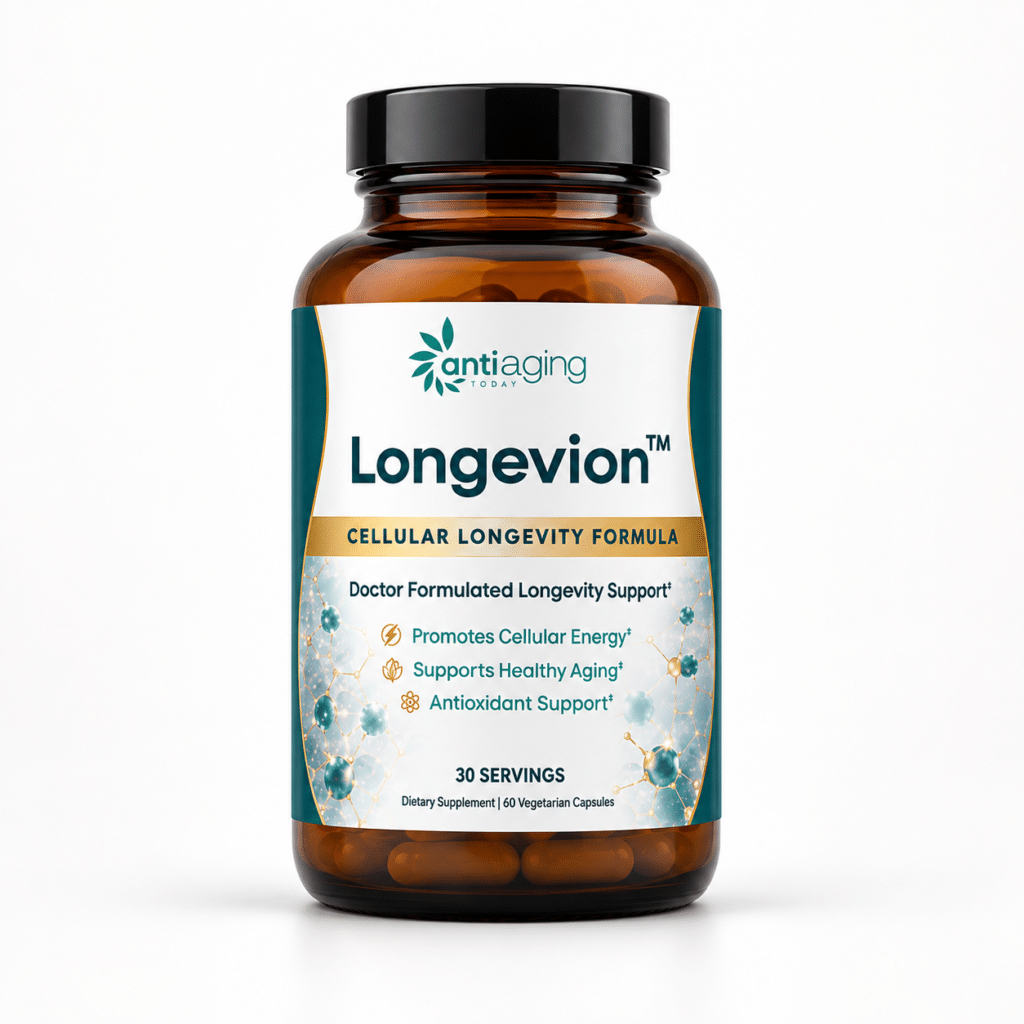
If you’re comparing longevity supplements that include magnesium, check three things: which form is used, how much elemental magnesium a serving provides, and whether the rest of the formula gives you a reason to take it together. You can see the products I’ve selected in our longevity supplements collection.
How Much Magnesium Do You Need? Dose and Safety
The recommended dietary allowance for adults 31 and older is 420 mg a day for men and 320 mg a day for women, from all sources. The upper limit for supplemental magnesium is 350 mg a day for adults — that limit doesn’t include magnesium from food, which doesn’t cause problems in people with healthy kidneys.
- Most common side effect: loose stools or cramping, especially with oxide, citrate and chloride. Splitting the dose or switching forms usually helps.
- Kidney disease: the kidneys clear excess magnesium. If your kidney function is reduced, don’t supplement without your doctor’s guidance.
- Medication timing: take osteoporosis drugs (bisphosphonates) at least two hours apart from magnesium. Take tetracycline or quinolone antibiotics at least two hours before or four to six hours after magnesium.
- Medications that change magnesium levels: loop and thiazide diuretics and long-term proton pump inhibitors can lower magnesium, while potassium-sparing diuretics can raise it. If you take any of these, ask your doctor whether your magnesium should be checked.
- Heart rhythm: magnesium is used in hospitals to treat certain arrhythmias, but that’s IV therapy under monitoring. Never use supplements to self-treat palpitations — get them evaluated.
Food First: The Best Sources of Magnesium
Supplements fill gaps; food should do most of the work. Some of the richest sources, per the NIH:
| Food | Serving | Magnesium (approx.) |
|---|---|---|
| Pumpkin seeds, roasted | 1 oz | 156 mg |
| Chia seeds | 1 oz | 111 mg |
| Almonds, dry roasted | 1 oz | 80 mg |
| Spinach, boiled | ½ cup | 78 mg |
| Cashews, dry roasted | 1 oz | 74 mg |
| Black beans, cooked | ½ cup | 60 mg |
| Edamame, shelled, cooked | ½ cup | 50 mg |
| Peanut butter | 2 tbsp | 49 mg |
A handful of pumpkin seeds and a serving of leafy greens or beans each day goes a long way toward the RDA. These foods also bring fiber, potassium and healthy fats that a pill can’t.
Frequently Asked Questions
What type of magnesium is best for aging?
For most adults over 40, a well-absorbed form such as magnesium citrate, glycinate or malate is a good choice. Pick glycinate if you prefer evening dosing or have a sensitive stomach, malate for a daytime routine, and citrate if cost matters or you tend toward constipation. Avoid relying on magnesium oxide, which is poorly absorbed.
Is magnesium threonate or glycinate better?
Glycinate is better for correcting low magnesium and supporting sleep, because it delivers about twice as much elemental magnesium per gram and costs less. Threonate is designed to raise brain magnesium and has small, early human trials for sleep and cognition. It’s a reasonable add-on, not a replacement.
Is it safe to take magnesium every day?
Yes, for most healthy adults, as long as supplemental magnesium stays at or below 350 mg a day. People with kidney disease, and anyone taking osteoporosis drugs, certain antibiotics or diuretics, should check with their doctor first.
When is the best time to take magnesium?
It depends on the form and your goal. Glycinate is often taken in the evening, while malate fits a morning routine. Taking magnesium with food can reduce stomach upset, and splitting larger doses across the day improves tolerance.
Which form of magnesium should I avoid?
Magnesium oxide is the form I’d avoid for correcting a deficiency, because very little of it is absorbed. It’s fine as an occasional laxative or antacid. Be skeptical of topical magnesium oils and Epsom salt baths as ways to raise magnesium, since absorption through the skin hasn’t been reliably shown.
Does magnesium help you live longer?
Higher magnesium intake is associated with lower all-cause mortality and lower risk of heart failure, stroke and type 2 diabetes in large observational studies, and supplementation has improved physical function in older adults with low intake. That isn’t proof that magnesium extends lifespan, but correcting a shortfall is one of the most reasonable, low-risk steps in a healthy aging plan.
Key Takeaways
- About half of adults don’t get enough magnesium, and aging makes absorption worse and losses greater.
- Higher intake is linked to lower mortality and heart failure risk; supplementation improved function in older women with low intake.
- Choose the form for the job: citrate for value, glycinate for evenings and sensitive stomachs, malate for daytime, threonate as an optional brain-focused add-on.
- Always read the elemental magnesium amount, not the compound weight.
- Keep supplemental magnesium at or below 350 mg a day unless your doctor advises otherwise, and get most of your magnesium from food.
About the Author
Dr. Don Zone, MD, FACC, FAARM, is a board-certified cardiologist, a Fellow of the American College of Cardiology and of the American Academy of Anti-Aging Medicine, and the founder of Anti-Aging Today. Disclosure: Dr. Zone formulated Longevion™ and has a financial interest in its sale. For more on how magnesium fits with other evidence-based ingredients, see the best longevity supplements, graded by evidence and our longevity science glossary.
References
- National Institutes of Health, Office of Dietary Supplements. Magnesium: Fact Sheet for Health Professionals.
- Fang X, et al. Dietary magnesium intake and the risk of cardiovascular disease, type 2 diabetes, and all-cause mortality: a dose–response meta-analysis of prospective cohort studies. BMC Med. 2016.
- Veronese N, et al. Effect of oral magnesium supplementation on physical performance in healthy elderly women involved in a weekly exercise program. Am J Clin Nutr. 2014.
- Zhang X, et al. Effects of magnesium supplementation on blood pressure: a meta-analysis of randomized double-blind placebo-controlled trials. Hypertension. 2016.
- Dai Q, et al. Magnesium status and supplementation influence vitamin D status and metabolism: results from a randomized trial. Am J Clin Nutr. 2018.
- Uysal N, et al. Timeline (bioavailability) of magnesium compounds in hours: which magnesium compound works best? Biol Trace Elem Res. 2019.
- Hausenblas HA, et al. Magnesium-L-threonate improves sleep quality and daytime functioning in adults with self-reported sleep problems: a randomized controlled trial. Sleep Med X. 2024.
Medical disclaimer: This article is for educational purposes only and is not a substitute for professional medical advice, diagnosis, or treatment. Always consult your physician before beginning any supplement, particularly if you take prescription medication, are pregnant or nursing, or have a medical condition. These statements have not been evaluated by the Food and Drug Administration. This product is not intended to diagnose, treat, cure, or prevent any disease.