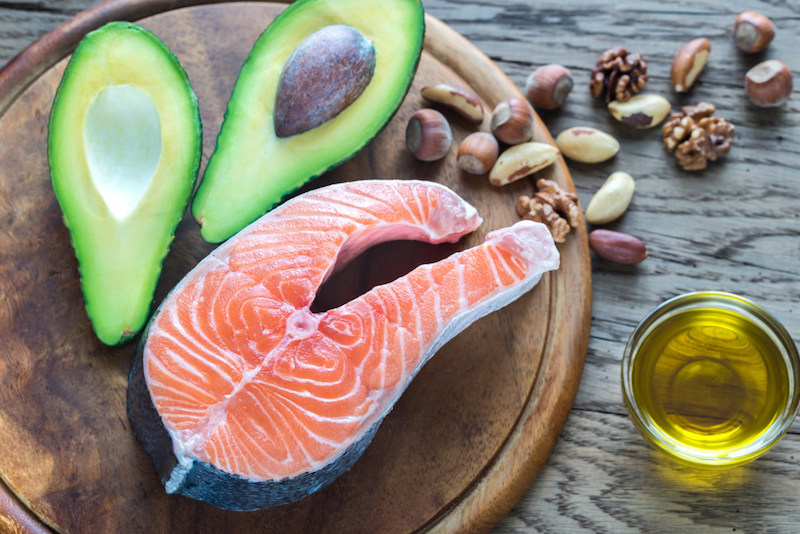
The best omega-3 supplement gives you at least 500 mg of combined EPA and DHA per serving, comes in triglyceride form, and has published third-party results for purity and oxidation (IFOS or an equivalent program). After that, choose the EPA-to-DHA ratio for your goal. EPA-heavy formulas suit heart and mood goals. DHA-heavy formulas suit pregnancy, eyes and the brain. The number on the front of the bottle (“1,000 mg fish oil”) matters much less than the EPA and DHA numbers on the back.I’m a cardiologist, so I’ll say this plainly: omega-3s are not a substitute for a statin, blood-pressure control or not smoking. Some people do benefit from them, and product quality varies a lot. This guide covers the five things I check before I recommend any fish oil.
Why Most People Fall Short on Omega-3s
EPA (eicosapentaenoic acid) and DHA (docosahexaenoic acid) are long-chain omega-3 fats found mainly in fatty fish. Your body can make a little of them from the ALA in flax, chia and walnuts, but the conversion is inefficient. For practical purposes, you need EPA and DHA from fish, algae or a supplement.The American Heart Association recommends one to two servings of seafood per week for the general population. Most Americans don’t get that. If you don’t eat salmon, sardines, mackerel or herring at least twice a week, a supplement is a reasonable way to close the gap.A good test for whether you’re actually short is the Omega-3 Index, a simple blood test that measures EPA plus DHA as a percentage of red blood cell fats. Researchers proposed a target of 8% or higher, with under 4% linked to the highest cardiovascular risk (Harris & von Schacky, Preventive Medicine, 2004). I like it because it shows what your body actually absorbed, which a label can’t tell you.
EPA vs DHA: Which Ratio Should You Look For?
EPA and DHA usually come together, but they do different jobs.EPA is the omega-3 with the best cardiovascular evidence at high doses. In the REDUCE-IT trial, 4 g/day of prescription purified EPA (icosapent ethyl) cut major cardiovascular events by 25% in 8,179 high-risk patients already on statins (Bhatt et al., NEJM, 2019). EPA-dominant formulas also have the best evidence for mood. A meta-analysis found benefit for depressive symptoms mainly with formulas that were at least 60% EPA, at about 1 g EPA per day (Liao et al., Translational Psychiatry, 2019).DHA is a structural fat. It’s highly concentrated in the brain and retina, and it’s the omega-3 that matters most during pregnancy and breastfeeding for fetal brain and eye development.What ratio to look for:
Heart health, triglycerides, mood: EPA-dominant, around 2:1 to 3:2 EPA:DHA.
Pregnancy, breastfeeding, vision, general brain support: a DHA-dominant or balanced formula (1:1, or DHA-forward).
General health if you rarely eat fish: a balanced formula is fine. Total EPA+DHA matters more than the exact ratio.
One honest caveat: the positive REDUCE-IT result came from a prescription, purified EPA drug at 4 g/day. The STRENGTH trial gave a similar-risk population 4 g/day of a combined EPA+DHA product and was stopped early for lack of benefit (Nicholls et al., JAMA, 2020). No over-the-counter fish oil has reproduced REDUCE-IT, so be skeptical of any label that suggests otherwise.
Triglyceride vs Ethyl Ester: Why Form Matters
This is the detail most shoppers never check, and it affects both absorption and price.Fish oil starts in natural triglyceride (TG) form. To concentrate it, manufacturers usually convert it to ethyl ester (EE) form. Some then convert it back into a re-esterified triglyceride (rTG). EE concentrates are cheaper to make, and that’s why so many budget brands use them.The absorption difference is real. In a head-to-head trial, rTG fish oil had 124% of the bioavailability of natural fish oil, while ethyl esters came in at 73% (Dyerberg et al., Prostaglandins, Leukotrienes and Essential Fatty Acids, 2010). A larger six-month trial of 150 people found that the triglyceride form raised the red blood cell Omega-3 Index significantly more than the same dose as ethyl esters (Neubronner et al., European Journal of Clinical Nutrition, 2011).Ethyl esters absorb poorly on an empty stomach and much better with a meal that contains fat. So if you already own an EE product, take it with your largest meal.How to tell which form you’re buying: Look for “triglyceride form,” “rTG” or “natural triglyceride” on the label. If the label doesn’t state the form, assume it’s an ethyl ester. Manufacturers who use the more expensive TG form almost always say so.
Purity and Oxidation Testing: IFOS and Equivalents
A fish oil can be clean and still spoiled. Those are two separate tests, and you want a product that passes both.Purity means low levels of mercury and other heavy metals, PCBs and dioxins. Molecular distillation removes most of these, and reputable brands test every batch.Oxidation means rancidity. Omega-3s are fragile fats, and heat, light and time break them down. Oxidized oil smells fishy, causes more “fish burps,” and may not deliver the benefits you’re paying for.The industry standard is the GOED Voluntary Monograph, which sets these maximum limits:
Peroxide value (PV): ≤5 meq/kg (early-stage oxidation)
Anisidine value (AV): ≤20 (later-stage oxidation)
TOTOX: ≤26 (total oxidation, 2×PV + AV)
In Consumer Reports’ April 2026 testing of 20 popular fish oil supplements, 11 met its quality standards, 5 couldn’t be fully assessed for rancidity, and 4 failed. Some products also contained less omega-3 than their labels claimed. None raised major heavy-metal or dioxin concerns. Contamination is rarely the problem today. Freshness and label accuracy are.Third-party programs worth looking for:
Program
What it verifies
IFOS (International Fish Oil Standards, by Nutrasource)
Batch-level results for EPA/DHA content, oxidation (PV, AV, TOTOX), heavy metals, PCBs and dioxins. Publishes a 5-star rating and a public report for each lot
Label accuracy, contaminants; the Sport tier adds a screen for banned substances
Brand-published COAs
Certificates of analysis per batch. Acceptable if the brand shares oxidation values, not just metals
My at-home test: Cut open a capsule and smell it. Fresh fish oil smells mild, like the ocean. A sharp, paint-like or strongly fishy smell means it’s oxidized, so throw it out. Store your bottle away from heat, and refrigerate it after opening if the label allows.
Omega-3 Dose by Goal
The FDA considers supplements providing up to 5 g/day of EPA plus DHA safe when used as directed, and the European Food Safety Authority reached the same conclusion. Most people need far less than that. These are the evidence-based ranges I use:
Goal
Daily EPA + DHA
Notes
General health, eat fish rarely
250–500 mg
Roughly what two servings of fatty fish per week provide
Diagnosed coronary heart disease
~1,000 mg
AHA recommendation, ideally from oily fish; supplements are a reasonable alternative
Choose a purity-certified product; confirm with your OB
Joint comfort
2,000–3,000 mg
Benefits in trials generally appeared at higher doses; discuss with your doctor
Safety notes from a cardiologist:
Atrial fibrillation. Both REDUCE-IT and STRENGTH saw more atrial fibrillation at 4 g/day, and a 2021 meta-analysis found the risk rose mainly at doses above 1 g/day (Gencer et al., Circulation, 2021). If you have AFib or palpitations, talk to your cardiologist before taking high-dose fish oil.
Blood thinners. Omega-3s have mild antiplatelet effects. Studies of 3–6 g/day fish oil haven’t shown a significant change in warfarin’s effect, but I still want patients on anticoagulants to tell their doctor before starting.
Take it with food. A meal that contains fat improves absorption and reduces fishy aftertaste.
Retest. Check your Omega-3 Index about three to four months after starting, because that’s how long red blood cells take to turn over.
Not every claim holds up. In the DREAM trial, 3 g/day of omega-3s did no better than an olive-oil placebo for dry eye disease (NEJM, 2018). I’d rather you spend your money where the evidence is.
Omega-3 Supplement Comparison: Forms at a Glance
Form
Typical EPA+DHA per capsule
Absorption
Oxidation stability
Best for
Watch out for
Natural triglyceride (TG) fish oil
250–350 mg
Good (baseline)
Moderate
Low-dose general use
Needs more capsules to reach 1 g
Re-esterified triglyceride (rTG) concentrate
500–800 mg
Highest (~124% of natural)
Good when tested
Therapeutic doses in fewer capsules
Higher price; verify oxidation data
Ethyl ester (EE) concentrate
500–900 mg
Lower (~73% of natural); improves with a fatty meal
1,170 mg EPA + DHA per 2-softgel serving (780 mg EPA, 390 mg DHA): a 2:1 EPA-dominant ratio for heart health, and about 1 g/day in a single serving
Triglyceride form, the better-absorbed form
Every batch third-party tested for heavy metals, dioxins and PCBs
Small amounts of GLA and omega-9 (76 mg GLA, 120 mg oleic acid). GLA is an omega-6 with anti-inflammatory properties. You don’t need extra omega-6 from other sources, and I explain why in omega 3, 6 and 9 compared
Natural lemon flavor and rosemary extract as a natural antioxidant, 120 softgels (a 60-day supply at 2 per day)
For a complete cardiovascular protocol, including CoQ10 and the other nutrients I use with patients, see my heart health supplement protocols.
Frequently Asked Questions
What is the best form of omega-3 to take?
Triglyceride form (natural or re-esterified) absorbs better than ethyl ester form, especially if you take it without food. If you can’t take fish oil, algal oil is the best vegan option for DHA.
How much omega-3 should I take a day?
For general health, 250–500 mg of combined EPA and DHA. People with coronary heart disease are typically advised to get about 1,000 mg. Doses above 1 g/day should be discussed with your doctor because of atrial fibrillation risk.
Is fish oil the same as omega-3?
No. “Fish oil” is the whole oil. EPA and DHA are the active omega-3s in it. A 1,000 mg fish oil capsule may contain only 300 mg of EPA+DHA, so always read the EPA and DHA values.
Which is better, EPA or DHA?
Neither. They have different jobs. EPA has stronger evidence for triglycerides, cardiovascular events and mood. DHA matters most for the brain, eyes and pregnancy. Most adults do well with an EPA-dominant blend.
Is the best omega-3 supplement different for women and men?
The quality criteria are the same. Women who are pregnant, breastfeeding or planning pregnancy should prioritize DHA (at least 200 mg/day). Men focused on heart health or triglycerides generally benefit from an EPA-dominant formula.
When is the best time to take omega-3?
With your largest meal of the day, ideally one that contains fat. Timing matters less than taking it consistently.
Key Takeaways
Read the EPA + DHA numbers, not the “fish oil” total. Aim for at least 500 mg per serving.
Choose triglyceride form. In head-to-head testing, ethyl esters delivered about 40% less than rTG.
Demand oxidation testing (TOTOX ≤26) along with heavy-metal testing. IFOS, USP and NSF are the main programs.
Match the ratio to your goal: EPA-dominant for heart and mood, DHA-forward for pregnancy and brain.
Doses above 1 g/day are where atrial fibrillation risk appeared in trials. If you have AFib or take blood thinners, involve your doctor.
Check your Omega-3 Index (target ≥8%) to confirm the supplement is working.
Disclosure: Anti-Aging Today sells ProOmega 3.6.9, and Dr. Zone has a financial interest in products sold on this site. This article is for educational purposes and is not medical advice. Talk to your physician before starting any supplement, especially if you take blood thinners, have atrial fibrillation or are pregnant.
Walk down the supplement aisle and you’ll find magnesium wearing a dozen different last names — oxide, citrate, glycinate, threonate, taurate, malate. Same mineral, very different behavior in the body. The second word on the label determines how well the magnesium is absorbed, how it sits in your stomach, and in some cases what the accompanying molecule does once it’s inside you.
Magnesium malate is the form I find most interesting for one specific reason: the “malate” half isn’t a passive delivery vehicle. It’s a working part of the machinery your cells use to make energy. That’s why it’s the form I chose for my own daily longevity supplement — and why it deserves a closer look than the label gives it.
The Short Answer
Magnesium malate is magnesium bound to malic acid, a compound your cells use directly in the Krebs cycle — the central engine of cellular energy production.
It delivers the same essential mineral as any other magnesium supplement. But it delivers it in a form that animal research suggests is among the better-absorbed options, paired with a molecule involved in energy metabolism.
It’s best suited to daytime use, and the areas where magnesium itself has the strongest evidence are muscle function, physical performance in older adults, and filling the intake gap that nearly half of Americans have.
Now let’s take those claims apart one at a time, so you can make an informed decision about what type of magnesium to supplement with.
What Is Magnesium Malate?
Magnesium malate is a salt of magnesium and malic acid. Malic acid occurs naturally in fruit — it’s a large part of why green apples taste tart — and, more importantly, it’s an intermediate in the citric acid cycle (Krebs cycle) that operates inside virtually every cell you have.
Two practical things follow from the chemistry:
The elemental dose is what counts. Magnesium malate is roughly 15% elemental magnesium by weight, so the number on the front of a label isn’t automatically the amount of magnesium you’re getting. Always read the Supplement Facts panel for the elemental magnesium figure — the NIH Office of Dietary Supplements bases all of its intake guidance on elemental amounts.
You’re taking two biologically active compounds, not one. The magnesium does what magnesium does everywhere in the body (more on that below). The malate enters your metabolic machinery as itself.
Why the Malate Form? The Krebs Cycle Connection
Here’s the science-backed case for this particular form of magnesium:
Every cell that burns fuel with oxygen runs the Krebs cycle. It’s a loop of chemical reactions inside the mitochondria that strips energy out of the food you eat and hands it off to make ATP — the energy currency your muscles, heart, and brain spend continuously.
Malate is one of the intermediates in that loop: the step where malate is converted to oxaloacetate generates NADH, which feeds the electron transport chain where the bulk of your ATP is actually produced. Malate also participates in the shuttle system that moves energy-carrying electrons from the rest of the cell into the mitochondria.
So when a supplement pairs magnesium with malate, the companion molecule is a native part of energy metabolism rather than an inert carrier. That is elegant chemistry, and it’s the honest version of the “energy support” story you’ll see on labels.
It’s important to understand that your body synthesizes malate on its own. And while the mechanistic logic is real, human research on malate supplementation is thin. No clinical trial has isolated the malate in magnesium malate and proven that it adds a measurable energy benefit on top of the magnesium.
However, in a controlled animal study comparing five magnesium compounds — sulfate, oxide, citrate, malate, and acetyl taurate — magnesium malate produced the highest total magnesium exposure over time, and serum levels stayed elevated longest. The commonly used oxide and citrate forms showed the lowest bioavailability in that comparison.
What Magnesium Itself Does: Energy at the Cellular Level
Whatever form it arrives in, magnesium is not a minor player. It’s a required cofactor in more than 300 enzyme systems, including the reactions of energy production itself — glycolysis and oxidative phosphorylation both depend on it. The dependence goes deeper than most people realize: ATP, the energy molecule, is biologically active mainly as a magnesium complex. Without magnesium bound to it, ATP doesn’t work properly. Every contraction of your heart runs on magnesium-dependent chemistry.
That’s why the intake statistics should get your attention. Roughly 48% of Americans consume less magnesium than recommended, and older men are among the most likely to fall short. This is one of the few supplement categories where the starting question isn’t “does an exotic molecule do something novel?” but “are you getting enough of something your body cannot function without?” For many people, the answer is no.
Magnesium’s day job also includes muscle and nerve function, blood glucose regulation, blood pressure regulation, and the synthesis of protein and DNA. It’s foundational, which is precisely why a deficit shows up as such a diffuse, easy-to-miss problem.
Magnesium and Muscle: What the Research Shows
The muscle story is where magnesium’s human evidence is most interesting for anyone thinking about aging well.
In older adults, supplementation improved measured physical performance. In a 12-week randomized controlled trial of 124 healthy women in their early seventies, all enrolled in a weekly exercise program, daily magnesium supplementation (300 mg elemental, given as magnesium oxide) improved total physical-performance scores versus control, with significantly faster chair-stand times and walking speed. Notably, the benefit was clearest in women whose dietary magnesium intake was below recommended levels — evidence for the “fill the gap” framing rather than a megadose one.
Higher magnesium intake tracks with more muscle and more power. In a cross-sectional study of over 2,500 women aged 18 to 79, dietary magnesium was positively associated with skeletal muscle mass and leg explosive power. Observational data can’t prove cause and effect, but it points the same direction as the trial above.
The research summary: magnesium supports normal muscle function by definition — it’s required for contraction and relaxation — and in older adults who aren’t getting enough, restoring intake has improved real-world performance measures in controlled research.
Magnesium and Healthy Aging
Aging changes your magnesium math in two directions at once: absorption from the gut declines with age, while losses through the kidneys increase. Add in that appetite and total food intake often drift down over the decades, plus the common use of medications that deplete magnesium — including diuretics and long-term acid reducers — and older adults end up structurally more likely to run a magnesium deficit precisely when muscle, bone, and cardiovascular maintenance need it most.
That’s the context in which the physical-performance trial above matters, and it’s why I treat adequate magnesium as a baseline requirement of any longevity protocol rather than an optional extra. Cellular energy production, muscle preservation, and the hundreds of enzyme reactions magnesium serves don’t become less important with age — the supply just becomes less reliable. We cover the broader framework in our longevity science glossary and our guide to longevity supplements.
Magnesium Malate vs. Glycinate, Citrate, and Oxide
The practical question most people are really asking: which type of magnesium should I take? Here’s how I think about the different forms:
Malate — the daytime form. Well absorbed, paired with an energy-metabolism intermediate, and generally gentle on the stomach. Anecdotally, some people find it mildly energizing, which is an argument for taking it in the morning rather than at bedtime.
Glycinate — the evening form. Magnesium bound to glycine, an amino acid with calming properties. A sensible pick if sleep is your primary goal.
Citrate — the regularity form. Decently absorbed, but it draws water into the bowel, which is useful if you’re constipated and unwelcome if you’re not.
Oxide — the budget form. The most elemental magnesium per gram on paper, and among the least absorbed in comparative studies, with the most GI complaints. You usually get what you pay for.
On sleep specifically, since “magnesium malate for sleep” is a common topic we’re asked about: the evidence that magnesium helps sleep at all is modest. A meta-analysis of trials in older adults found it shortened time-to-fall-asleep by about 17 minutes, with the authors rating the evidence quality as low. If sleep is your goal, glycinate taken in the evening is the more logical form. Malate’s home is in the morning.
Magnesium Malate Dosage: How Much and When
The recommended dietary allowance for magnesium is 420 mg per day for adult men and 320 mg for adult women (ages 31+), from all sources combined. For supplements specifically, the NIH’s tolerable upper intake level is 350 mg of supplemental elemental magnesium per day — above that, the risk of diarrhea and cramping climbs.
Since food provides a meaningful share for most people, a supplement in the 100–300 mg elemental range is the sensible band for most healthy adults, depending on how good your diet already is. Leafy greens, nuts, seeds, legumes, and whole grains remain the foundation; a supplement fills the gap, it doesn’t replace the diet.
Take magnesium malate with food — it’s easier on the stomach — and earlier in the day, for the reasons stated above. Consistency matters more than clock precision. If you also take certain antibiotics, bisphosphonates for bone, or thyroid medication, separate them from magnesium by a few hours, because magnesium can bind these drugs and blunt their absorption.
As with most foundational nutrients, judge it over weeks, not days. Restoring a low magnesium status is maintenance work, not a quick fix.
Magnesium Malate Side Effects and Who Should Be Careful
Magnesium malate is well tolerated at sensible doses; the most common complaint with any oral magnesium is loose stools, and malate causes less of this than oxide or citrate in most people.
Two groups need a physician’s input before supplementing at all: anyone with kidney disease — impaired kidneys can’t clear excess magnesium, which is when true magnesium toxicity occurs — and anyone on interacting medications, including diuretics, certain antibiotics, and bisphosphonates.
Why Magnesium Malate Is in Longevion
When I formulated Longevion™, the mineral question wasn’t whether to include magnesium — given its role in ATP chemistry and how commonly intake falls short, that decision made itself. The question was which form, and malate won on three grounds:
The malate molecule is a working part of the same cellular-energy machinery the rest of the formula supports
The absorption data favors it over the cheap forms, and it suits a morning formula — Longevion is a two-capsule morning dose, and malate is the daytime magnesium.
It also completes a deliberate chain. NMN supplies the raw material for NAD+, which carries energy to the electron transport chain; CoQ10 works inside that chain; B vitamins serve as metabolic cofactors throughout; and magnesium is the mineral the resulting ATP needs in order to function at all.
Each ingredient covers a different station on the same assembly line. Meaningful doses of nutrients that work together beat a megadose of any single one.
Frequently Asked Questions
What is magnesium malate good for?
Magnesium malate supplies elemental magnesium — required for energy production, muscle and nerve function, and over 300 enzyme systems — in a well-absorbed form paired with malic acid, an intermediate in the cell’s energy cycle. It’s a fit for daytime magnesium support, particularly for the roughly half of Americans whose intake falls below recommended levels.
What does magnesium malate do in the body?
The magnesium portion of magnesium malate supports energy metabolism, muscle contraction and relaxation, nerve signaling, and protein synthesis; ATP itself must bind magnesium to function. The malate portion enters the Krebs cycle, where cells strip energy from food. No trial has isolated malate’s independent contribution, but the mineral’s roles are established biochemistry.
Which is better, magnesium malate or magnesium glycinate?
Neither magnesium malate nor magnesium glycinate is better across the board — they suit different goals. Malate is the daytime pick, paired with an energy-cycle intermediate and sometimes described as mildly energizing. Glycinate pairs magnesium with calming glycine and is the more logical evening choice for sleep support. Both are gentle on the stomach and well absorbed.
Is magnesium malate good for sleep?
Magnesium malate isn’t the ideal form for sleep. The evidence that magnesium improves sleep at all is modest — about 17 minutes’ faster sleep onset in a meta-analysis of older adults, from low-quality trials. If sleep is the target, magnesium glycinate in the evening makes more sense; malate is better used in the morning.
How much magnesium malate should I take?
Track the elemental magnesium, not the total compound weight — magnesium malate is roughly 15% elemental magnesium. The RDA is 420 mg per day for men and 320 mg for women from all sources, and the NIH’s upper level for supplemental magnesium is 350 mg per day. For most adults eating reasonably well, 100–300 mg of supplemental elemental magnesium covers the gap.
When is the best time to take magnesium malate?
Take magnesium malate in the morning or midday, with food. Some users find malate mildly energizing, which makes it a better daytime form than a bedtime one. If you take antibiotics, bisphosphonates, or thyroid medication, separate them from magnesium by a few hours.
Who should avoid magnesium malate?
People with kidney disease should not supplement magnesium without physician supervision — impaired clearance is how magnesium toxicity happens. Anyone taking diuretics, certain antibiotics, or bisphosphonates should ask their doctor about timing and dose. High supplemental doses can cause diarrhea and cramping in anyone.
Is magnesium malate better absorbed than other forms?
The best comparative absorption data — an animal study of five magnesium forms — found malate produced the highest and longest-lasting magnesium levels, while oxide and citrate ranked lowest. Human comparative data is limited, so treat the ranking as directional, but it matches malate’s reputation as one of the better-absorbed forms.
Key Takeaways
Magnesium malate pairs an essential mineral with malic acid, a working intermediate of the Krebs cycle — the companion molecule is part of your energy machinery, not filler.
Magnesium itself is required for ATP function and 300+ enzyme systems, yet about 48% of Americans consume less than recommended — and aging reduces absorption while increasing losses.
In a 12-week randomized trial, magnesium supplementation improved walking speed and chair-stand performance in women in their seventies, most clearly in those with low dietary intake.
Malate is the daytime magnesium: well absorbed, stomach-friendly, and suited to morning dosing; glycinate is the better evening/sleep pick.
Watch the elemental magnesium number, keep supplemental intake at or under 350 mg per day, and talk to your doctor first if you have kidney disease or take interacting medications.
Magnesium malate anchors the mineral slot in Longevion™, completing the same cellular-energy chain its NMN, CoQ10, and B vitamins support — part of our longevity supplement lineup.
Dr. Don Zone, MD, FACC, FAARM, is a board-certified cardiologist, Fellow of the American College of Cardiology and the American Academy of Anti-Aging Medicine, and the physician behind the Dr. Zone protocols at Anti-Aging Today.
Disclosure: He is the founder of Anti-Aging Today and the formulator of Longevion™, and has a financial interest in the products referenced in this article.
Medical disclaimer: This article is for educational purposes only and is not a substitute for professional medical advice, diagnosis, or treatment. Always consult your physician before beginning any supplement, particularly if you take prescription medication, are pregnant or nursing, or have a medical condition. These statements have not been evaluated by the Food and Drug Administration. This product is not intended to diagnose, treat, cure, or prevent any disease.
When I assess a supplement, I don’t start with the claims on the label. I start with a narrower question: has anyone given this dose to real people under controlled conditions, and what happened when they did?
For NMN, the answer is better than it is for most things in the longevity aisle. There are human trials — several of them, at doses from 250 mg a day up to 1,250 mg, some running twelve weeks. They don’t converge on a single perfect number, but read together they draw a clear enough picture: where the benefit starts, where it levels off, and where the evidence simply runs out.
That’s a more useful framework than a number on a bottle, so let’s walk through it.
The Short Answer: How Much NMN to Take
Efficacy trials in humans have used 250 mg to 1,200 mg of NMN per day, most commonly for 4 to 12 weeks, and a dedicated safety study has gone to 1,250 mg.
For most healthy adults starting out, a daily dose in the 250–600 mg range is where the published research is strongest and most consistent.
Higher doses have been studied and tolerated in short trials, but the clearest dose-comparison data we have found benefit levelling off above 600 mg — and long-term safety at high doses simply hasn’t been established. Consistency at a moderate dose beats heroics at a high one.
Here’s how I get to that answer.
First, What NMN Actually Does
NMN (nicotinamide mononucleotide) is a precursor to NAD+ — a coenzyme every cell uses to turn food into usable energy and to run repair and maintenance work. NAD+ levels decline with age. NMN is one of the raw materials your body uses to make more of it.
The reason this matters for dosing: the goal isn’t to swallow as much NMN as possible. The goal is to give your body enough raw material to work with, consistently, over time. Looking into NAD+ supplements? Read our NAD+ dosage guide.
What the Clinical Trials Actually Used
The dosing recommendation for NMN comes from a handful of human trials. Here is what each one tested, and what it found.
250 mg per day.
In a 12-week placebo-controlled trial in healthy men over 65, 250 mg of NMN daily raised both NMN and NAD+ levels compared with placebo. The participants also showed nominally significant improvements in gait speed and left-hand grip strength.
One caveat, this was a small study (20 participants completed the analysis), and the authors themselves called for larger trials to confirm it. It was well tolerated, with no serious adverse events. This is the lowest dose with a positive controlled trial behind it, and notably it worked in the age group where NAD+ decline is most pronounced.
300, 600 and 900 mg per day.
The most useful dose-comparison study of NMN we have is a randomized, double-blind, placebo-controlled trial in 80 healthy middle-aged adults (mean age 49). Participants took 300 mg, 600 mg, or 900 mg daily for 60 days.
Blood NAD+ rose significantly in all three dose groups versus placebo, with the highest levels in the 600 mg and 900 mg groups.
Six-minute walking distance improved significantly in all three groups versus placebo, with the longest distances in the 600 mg and 900 mg groups.
Self-reported health scores improved in all three groups versus placebo.
No safety issues emerged; the supplement was well tolerated across every dose.
Put simply, the step from 300 mg to 600 mg produced a significant further gain in both NAD+ levels and walking distance — the step from 600 mg to 900 mg did not. The study’s own conclusion was that efficacy peaked at 600 mg daily.
Up to 1,200 mg per day.
A six-week trial in trained runners tested 300, 600 and 1,200 mg daily alongside training and found improved oxygen utilization during exercise. The authors described the effect as dose-dependent, with one additional threshold measure improving only in the 1,200 mg group — so this study is the strongest argument for the higher end of the range, in a population training hard.
1,250 mg per day, short term.
A dedicated safety study gave 31 healthy adults 1,250 mg once daily for up to four weeks. No severe adverse events; blood work stayed within normal ranges. Useful for establishing tolerability — but it ran four weeks, and it didn’t measure NAD+ at all.
Put the whole body of evidence together and a pattern emerges: NMN reliably raises NAD+ from about 250 mg a day upward, benefit continues to accrue to roughly 600 mg, and above that the general-population data flattens while long-term safety evidence thins out.
Is There an NMN Dosage by Age?
You’ll find charts online recommending a dose for your forties, another for your fifties, another for your sixties. I want to be straightforward with you: no clinical trial has ever tested age-stratified NMN dosing and shown it to be superior. Those charts are convention, not evidence.
What is true is that NAD+ levels decline with age, so the rationale for supplementing gets stronger the older you are. But that’s an argument for whether to take NMN, not a formula for how much. In the trial of men over 65, 250 mg a day was enough to raise NAD+ and register improvements on the physical measures tested.
The honest factors that should influence your dose:
Your goal. General cellular-energy support sits comfortably at the lower end of the studied range. The research on physical performance tended to use 600 mg and above.
Your body size. All else being equal, a 130-pound person and a 220-pound person taking the same capsule are not receiving the same exposure.
What else you’re taking. NAD+ support isn’t a single-ingredient project — more on that below.
How you respond. You are a sample size of one, and the only one that matters to you.
Your medical history and medications. This is the factor that overrides all the others, and it’s a conversation with your own physician.
Is More Better? Where the Ceiling Is
For most people, no — and this is the single most common mistake I see.
The best dose-comparison data in healthy middle-aged adults found the benefit curve peaking around 600 mg a day. Beyond that you’re increasing cost and increasing exposure without a matching increase in measured benefit for the general population. The trial in hard-training runners is the reasonable exception, and even there the added gain at 1,200 mg was narrow.
The larger point is what we don’t know. The longest of these trials ran twelve weeks. The long-term safety of chronic high-dose NMN has not been tested — four-week and twelve-week studies tell us very little about what a decade at a gram a day does.
My position: stay inside the range that has actual evidence behind it, take it every day, and give it time. That is a far better use of your money than escalating the number on the label.
When to Take NMN: Timing, Food, and Splitting the Dose
Morning is a sensible default. NAD+ appears to follow a daily rhythm tied to the active phase — much of that work is in animals, so hold it loosely — and a morning dose has the practical advantage of attaching to a habit you already have.
One interesting wrinkle. A 12-week study in 108 Japanese adults aged 65 and older compared 250 mg taken after waking against the same dose taken in the evening. The evening group showed significantly greater improvement in lower-limb function (sit-to-stand) and in daytime drowsiness; sleep-quality measures did not differ significantly. It’s one study in one age group, but if mornings don’t suit your routine, later in the day is a defensible choice.
With or without food is fine. NMN is a water-soluble compound and, unlike fat-soluble CoQ10, doesn’t depend on dietary fat for absorption — though no human study has formally tested taking it with versus without a meal. Some people find it sits easier with food. Do whichever you’ll actually keep doing. (If you take a statin, CoQ10 has its own timing and dosing considerations, which I cover in CoQ10 and Statins: What Every Statin User Should Know.)
Splitting the dose is optional. If you’re taking 600 mg, 300 mg twice a day is perfectly reasonable. No trial has shown split dosing to be superior. Take it in whatever pattern you won’t forget.
One caveat on late doses. A minority of people find NMN mildly stimulating. If that’s you, shift it earlier in the day rather than fighting it at bedtime.
How Long Before Anything Happens?
Blood NAD+ starts climbing within weeks — the dose-comparison trial measured significant increases by day 30. The functional measures took longer, and the studies that found improvements in walking distance, gait speed, and grip strength ran 8 to 12 weeks.
So: give it at least 8 to 12 weeks of consistent daily use before you judge it. Cellular maintenance isn’t a stimulant. If you’re expecting to feel something on day three, you’ll quit before the interesting part.
Can You Take NMN With NAD+, NR, or Other Supplements?
Yes, and this is worth understanding rather than guessing at.
NMN and NR (nicotinamide riboside) are both NAD+ precursors that enter the same salvage pathway — taking both is redundant more than harmful, and I’d rather see someone take an adequate dose of one than a token dose of each. We compare them directly in NMN vs. NR.
Where combining makes more sense is with nutrients that do a different job. Raising NAD+ supplies more of one critical input to your mitochondria; it doesn’t address the rest of the machinery. That reasoning is why I paired 300 mg of NMN with 150 mg of ubiquinone CoQ10, active B vitamins, and magnesium in Longevion™, the daily longevity formula I developed. If you’re building a broader routine, see the longevity supplements Dr. Zone recommends alongside NMN.
NMN supplements supply NAD+ raw material; CoQ10 works downstream in the electron transport chain; methylated B vitamins are there because metabolizing NAD+ precursors draws on the body’s methylation capacity. I’ll be candid that this last point is mechanistic reasoning rather than a proven clinical benefit — but it’s the reasoning I’d apply to my own regimen, and it’s why I don’t think a single-ingredient capsule is the whole answer.
If you take prescription medication — particularly a blood thinner, a diabetes medication, or a statin — talk with your physician before adding any supplement. That is not boilerplate; it’s how I practice.
From My Practice
How I’d Set Your Dose
When a patient asks me where to start, this is the counsel:
1Start at 250–300 mg daily. It’s the best-evidenced starting point, and it’s the dose most likely to be enough.
2Give it 8–12 weeks before changing anything. Judge it on how you feel over a season, not over a weekend.
3If you want more, step up to around 600 mg — and stop there. That’s where the measured benefit peaked in the dose-comparison research.
4Take it at the same time every day, attached to something you already do. The dose you remember beats the dose that’s theoretically optimal.
5Don’t buy a number, buy a formula. A clinically meaningful NMN dose alongside the cofactors your mitochondria also need is worth more than a 1,000 mg single-ingredient capsule.
6Tell your doctor. Every supplement, every time.
What to Look For on the Label
If you’re comparing NMN products, the checks that matter:
A dose inside the studied range — at least 250 mg per serving.
Serving size clearly disclosed. A “1,000 mg” label that turns out to be four capsules is not a 1,000 mg capsule.
Third-party testing for purity and potency. NMN is expensive to produce, which is exactly why verification matters.
Human NMN efficacy trials have used 250–1,200 mg daily. For most healthy adults, 250–600 mg per day is the best-evidenced range. Blood NAD+ rises significantly from 250–300 mg upward, and in the clearest dose-comparison trial the measured benefits peaked at 600 mg.
Is 500 mg of NMN enough?
Yes — 500 mg of NMN sits inside the effective studied range, between the 300 mg and 600 mg arms of the main dose-comparison trial. No trial has tested 500 mg specifically, but 300 mg produced significant increases in NAD+ and in six-minute walking distance versus placebo, and 600 mg produced more. There is no evidence you need to exceed that.
Can you take too much NMN?
In studies, 1,250 mg of NMN daily for four weeks was well tolerated in healthy adults, with no severe adverse events. But higher doses have not shown proportionally greater benefit in the general population, and long-term safety at high doses hasn’t been established. More is not automatically better here.
Is there an NMN dosage chart by age?
No validated NMN dosage chart by age exists. No trial has tested age-based NMN dosing against a fixed dose and found it superior. NAD+ does decline with age, which strengthens the case for supplementing as you get older — but 250 mg daily was enough to raise NAD+ and register improvements on physical measures in men over 65.
What is David Sinclair’s NMN dosage?
The Harvard longevity researcher David Sinclair has said publicly that he takes around 1,000 mg of NMN daily. That’s one scientist’s personal choice, not a clinical guideline, and it sits above the range where dose-comparison trials showed additional benefit.
What is the best time of day to take NMN?
Morning is a sensible default for NMN and easy to stick to. One 12-week study in adults over 65 found evening dosing produced greater improvement in lower-limb function and daytime drowsiness, so later in the day is also reasonable. If you find NMN mildly stimulating, keep it earlier.
Should NMN be taken with or without food?
NMN can be taken with or without food — either works. NMN is water-soluble and doesn’t depend on dietary fat for absorption the way CoQ10 does. Take it whichever way you’ll do consistently.
How long does NMN take to work?
NAD+ levels rise measurably within about 30 days of starting NMN. Trials that found improvements in physical measures ran 8–12 weeks. Give it at least two to three months before judging.
Is NMN legal to sell as a dietary supplement?
Yes — in September 2025 the FDA reversed its earlier position and confirmed that NMN is not excluded from the definition of a dietary supplement. Manufacturers are still expected to follow the New Dietary Ingredient notification pathway.
Can I take NMN with NR or an NAD+ supplement?
You can take NMN with NR or an NAD+ supplement, but there’s limited reason to. Both are precursors feeding the same pathway; an adequate dose of one is preferable to small doses of several. Combining NMN with nutrients that act elsewhere in energy production — CoQ10, B vitamins, magnesium — is the more useful strategy.
Key Takeaways
Human efficacy trials have used 250–1,200 mg of NMN daily; 250–600 mg per day is the best-evidenced range for most healthy adults.
Blood NAD+ rises significantly from about 250–300 mg daily; in the clearest dose-comparison trial, measured benefits peaked at 600 mg and did not improve further at 900 mg.
Dosage charts organized by age are convention, not evidence — no trial has validated age-based NMN dosing.
Take it at a consistent time each day, with or without food, and give it 8–12 weeks before judging.
A clinically meaningful dose paired with supporting cofactors matters more than a big number on the label — which is why Longevion™ pairs 300 mg of NMN with 150 mg of CoQ10, active B vitamins, and magnesium.
Talk with your physician before starting NMN, especially if you take prescription medication.
Dr. Don Zone, MD, FACC, FAARM, is a board-certified cardiologist, Fellow of the American College of Cardiology and the American Academy of Anti-Aging Medicine, and the physician behind the Dr. Zone protocols at Anti-Aging Today.
Disclosure: He is the founder of Anti-Aging Today and the formulator of Longevion™, and has a financial interest in the products referenced in this article.
Medical disclaimer: This article is for educational purposes only and is not a substitute for professional medical advice, diagnosis, or treatment. Always consult your physician before beginning any supplement, particularly if you take prescription medication, are pregnant or nursing, or have a medical condition. These statements have not been evaluated by the Food and Drug Administration. This product is not intended to diagnose, treat, cure, or prevent any disease.
The supplement aisle has done something unhelpful with three sets of letters. NAD+, NMN, and NR all appear on bottles, often with identical promises, usually with no explanation of how they relate. Patients ask me which one to buy as if they were three competing brands. They aren’t. They’re three points on the same assembly line — and once you see the assembly line, the choice gets much simpler.
Here’s the plain-English version I give in my practice.
The Short Answer
NAD+ is the molecule your cells actually use — a coenzyme required to convert food into energy and to run cellular repair. NMN and NR are precursors: raw materials your body converts into NAD+.
Swallowing NAD+ itself is the least efficient route, because the molecule is broken down in digestion rather than absorbed intact.
The practical choice is between the precursors, NMN and NR — and in the first head-to-head human trial, both raised blood NAD+ about two-fold, making dose, evidence for your goal, and formulation the real deciding factors.
Now the longer version, because the details are where the buying decisions get smart.
First, What NAD+ Actually Is
NAD+ (nicotinamide adenine dinucleotide) is a coenzyme found in every living cell. It has two day jobs. First, energy: NAD+ shuttles electrons in the reactions that turn your food into ATP — no NAD+, no cellular energy. Second, repair and regulation: it’s the fuel for sirtuins and PARP enzymes, which manage DNA repair and stress responses.
The reason anyone supplements around it: NAD+ levels decline substantially with age, and that decline is one of the better-documented biochemical signatures of aging. The strategy of raising NAD+ back up is the entire premise of this supplement category — we cover the background in our complete guide to NMN supplements and the longevity science glossary. And to see NMN alongside CoQ10 and other evidence-based options, browse our longevity supplements.
One clarification that saves confusion later: NADH is not a different supplement category — it’s the same molecule wearing its electron cargo. NAD+ is the “empty” form, NADH the “loaded” form; your cells cycle between the two constantly.
Why You Can’t Just Take NAD+
If NAD+ is what cells need, why not swallow NAD+? Because of how the molecule is built. NAD+ is large, charged, and unstable in the digestive tract — pharmacology reviews show that orally ingested NAD+ is broken down into smaller pieces (including nicotinamide and NR) before absorption, and laboratory work confirms that even extracellular NAD+ must be degraded into precursor fragments before cells can take it up and rebuild it inside.
So an “NAD+ supplement” taken by mouth is, at best, an expensive way of delivering the same building blocks that NMN and NR deliver directly — and at worst, a molecule your gut dismantles into ordinary vitamin B3 components. This is why the serious research effort has focused on the precursors. (IV NAD+ drips sidestep digestion, but that’s a clinical procedure with its own cost, time, and evidence questions — not a daily supplement strategy.)
The assembly line, in order: NR → NMN → NAD+. NR (nicotinamide riboside) is converted to NMN, and NMN (nicotinamide mononucleotide) is the final step before NAD+. Both feed the same “salvage pathway” your cells use to recycle and rebuild their NAD+ supply.
NMN vs NR: What Human Trials Show
Both precursors have real human data behind them. Here’s the honest scorecard, human randomized trials only.
Raising NAD+ — effectively a tie. In the first head-to-head randomized human trial, published in Nature Metabolism, 65 healthy adults took 1 g of NR, 1 g of NMN, plain nicotinamide, or placebo for 14 days. NR and NMN each roughly doubled whole-blood NAD+ versus placebo; plain nicotinamide didn’t move baseline levels at all. The authors’ conclusion: NR and NMN are comparable at raising NAD+. That result also tells you something useful about cheap “vitamin B3 raises NAD+ anyway” claims — the basic form didn’t do it.
NR’s evidence base. A 6-week crossover trial in healthy adults aged 55–79 found 1,000 mg/day of NR raised NAD+ in blood cells by about 60% and was well tolerated; blood-pressure improvements were exploratory trends, not confirmed findings. An 8-week dose-ranging study in 140 overweight adults found NAD+ rose dose-dependently — about 22% at 100 mg, 51% at 300 mg, and 142% at 1,000 mg — with a clean safety profile. NR’s paper trail is strongest on safety and dosing.
NMN’s evidence base. NMN has more trials measuring functional outcomes, particularly in older adults. A 60-day dose-comparison trial (300/600/900 mg) found NAD+ and six-minute-walk distance improved at every dose, with benefits peaking at 600 mg. A 12-week trial in men over 65 found 250 mg/day raised NAD+ with nominally significant gains in gait speed and grip strength. A trial in trained runners found dose-dependent improvements in oxygen utilization. We walk through all of it in our NMN dosage guide.
The fair summary of the comparison:
At a Glance
NMN vs. NR: How the Two NAD+ Precursors Compare
Question
NMN
NR
Raises blood NAD+
Yes (~2× at 1 g in head-to-head)
Yes (~2× at 1 g in head-to-head)
Functional outcomes in older adults
Walking distance, gait speed, grip strength in RCTs
Neither molecule “wins” this table. They’re adjacent steps on one pathway, they perform comparably at the shared endpoint, and each has trial coverage the other lacks.
So Which Should You Take?
My framework, by goal:
General NAD+ support, healthy aging focus: either precursor is defensible; NMN is the one with randomized-trial evidence on physical function in the 60+ age group, which is why it’s my default in that population.
You care most about the longest safety/dosing paper trail: NR’s dose-ranging and safety data are excellent. A reasonable choice, particularly if NMN doesn’t agree with you.
You’re deciding between doses, not molecules: the evidence supports moderate daily doses — 250–600 mg NMN or 300–1,000 mg NR — taken consistently for 8–12 weeks before judging. Megadosing has no demonstrated advantage in the general population.
You’re tempted by “NAD+ direct” capsules: skip them. You’d be paying a premium for a molecule your digestion disassembles into what the precursors already are.
Taking both NMN and NR: not harmful, but redundant — they feed the same pathway. An adequate dose of one beats token doses of two. Our NMN vs NR deep-dive covers this pairing question in more detail.
And one principle above all of them: a precursor raises NAD+; it doesn’t run the rest of your energy metabolism. NAD+ carries electrons to the mitochondrial machinery — it doesn’t replace the CoQ10 in the electron transport chain, the B-vitamin cofactors throughout the pathway, or the magnesium that ATP itself needs to function. That’s the reasoning behind Longevion™: I paired 300 mg of NMN — inside the best-evidenced dose range — with 150 mg of CoQ10, methylated B vitamins, and magnesium malate, so the NAD+ raw material arrives alongside the machinery that uses it. One capsule of a precursor alone answers only one question on this page. You can compare the full lineup on our NAD+ and NMN supplements page.
Frequently Asked Questions
Is NMN the same as NAD+?
No — NAD+ is the working coenzyme your cells use, while NMN is the immediate precursor your body converts into NAD+. Taking NMN is a delivery strategy for raising NAD+ — the molecule on the label and the molecule doing the work are one enzymatic step apart.
Which is better, NMN or NAD+ supplements?
NAD+ precursors like NMN are the better-supported route. Oral NAD+ is largely broken down in digestion into smaller fragments before absorption, while NMN taken by mouth has repeatedly raised blood NAD+ in randomized human trials — with functional improvements in some, particularly in older adults.
NMN vs NR — which raises NAD+ more?
In the first head-to-head randomized trial, 1 g/day of either NMN or NR roughly doubled whole-blood NAD+ over 14 days, and the authors called them comparable. The choice rests on the surrounding evidence: NMN has more functional-outcome trials in older adults; NR has the most detailed dose-and-safety data.
Can you take NAD+ and NMN together?
You can take NAD+ and NMN together, but there’s little reason to. Oral NAD+ mostly breaks down into precursor fragments anyway, so you’d be paying twice for the same pathway. If you want to combine things, pair one well-dosed precursor with nutrients that act elsewhere in energy production — CoQ10, B vitamins, magnesium.
What is the difference between NAD+ and NADH?
NAD+ and NADH are the same molecule in two states. NAD+ is the oxidized (“empty”) form ready to pick up electrons; NADH is the reduced (“loaded”) form carrying them. Your cells cycle between the two continuously — you don’t need to supplement each separately.
Does plain vitamin B3 (nicotinamide) raise NAD+ just as well?
In the head-to-head trial, 0.5 g/day of plain nicotinamide produced no significant change in whole-blood NAD+ over 14 days, while NMN and NR both roughly doubled it. The precursor form matters.
Is NMN legal to sell in the US?
Yes — in September 2025, the FDA confirmed that NMN is not excluded from the dietary-supplement definition, reversing its earlier position. NR has been marketed under the new-dietary-ingredient pathway for years.
How long until an NAD+ precursor “works”?
Blood NAD+ rises within roughly 2–4 weeks at studied doses. The trials that found functional improvements — walking distance, gait speed — ran 8 to 12 weeks. Judge any precursor over a season, not a week.
Key Takeaways
•NAD+ is the coenzyme your cells use; NMN and NR are the precursors your body builds it from — three points on one pathway, not three competing products.
•Oral NAD+ is the weakest route: the molecule is broken down in digestion rather than absorbed intact, which is why research has centered on the precursors.
•In the first head-to-head human trial, 1 g/day of NMN or NR each roughly doubled blood NAD+ in 14 days — comparable performance; plain nicotinamide did nothing at baseline.
•NMN carries more functional-outcome evidence in older adults (walking distance, gait speed, grip strength); NR carries the most detailed dose-response and safety data.
•Pick one precursor at an evidence-backed dose (250–600 mg NMN or 300–1,000 mg NR), give it 8–12 weeks, and skip “NAD+ direct” capsules and precursor stacking.
•A precursor supplies raw material; it doesn’t replace the rest of the energy machinery — which is why Longevion™ pairs 300 mg NMN with CoQ10, methylated Bs, and magnesium malate.
Dr. Don Zone, MD, FACC, FAARM, is a board-certified cardiologist, Fellow of the American College of Cardiology and the American Academy of Anti-Aging Medicine, and the physician behind the Dr. Zone protocols at Anti-Aging Today.
Disclosure: He is the founder of Anti-Aging Today and the formulator of Longevion™, and has a financial interest in the products referenced in this article.
Medical disclaimer: This article is for educational purposes only and is not a substitute for professional medical advice, diagnosis, or treatment. Always consult your physician before beginning any supplement, particularly if you take prescription medication, are pregnant or nursing, or have a medical condition. These statements have not been evaluated by the Food and Drug Administration. This product is not intended to diagnose, treat, cure, or prevent any disease.
Over my decades as a cardiologist, I’ve prescribed statins thousands of times. They remain some of the most thoroughly studied and effective medications we have for managing cholesterol.
But there’s a conversation I’ve had in my office more times than I can count, and it usually starts the same way: “Doctor, since I started my statin, I just feel… drained.” Here’s what most of those patients have never been told: the pathway your statin blocks to lower cholesterol is the same pathway your body uses to make CoQ10 — a nutrient your cells depend on to produce energy.
Put simply: when statin therapy lowers your cholesterol, it can lower your CoQ10 levels right along with it. Less CoQ10 means your mitochondria — the energy factories in your muscles and heart — have less of a key raw material to work with. That’s the well-documented biochemical link between statins and that drained, heavy-legged feeling, and it’s exactly what inspired this exploration into the link between statins and CoQ10.
Important note:if your doctor has prescribed a statin, keep taking it. Nothing in this article is a reason to stop or change a medication on your own.
The key connection
Statins and CoQ10: How They’re Connected
Statins work by blocking an enzyme your body uses to make cholesterol. The catch is that this same pathway is also how your body makes coenzyme Q10 (CoQ10) — the compound your cells rely on to produce energy. So when a statin dials down cholesterol production, it dials down your natural CoQ10 production along with it. Multiple studies have measured meaningfully lower circulating CoQ10 levels in people taking statins.
That’s not a flaw in the medication — it’s simply how the biochemistry works. The practical question for statin users is what, if anything, to do about it. Let’s walk through the science.
How Statins Lower Cholesterol — and CoQ10 Along the Way
Statins inhibit an enzyme called HMG-CoA reductase, which sits near the top of something called the mevalonate pathway — your body’s assembly line for cholesterol.
Here’s the part most people never hear: cholesterol isn’t the only thing that assembly line produces. Farther down the same pathway, your body branches off to build CoQ10. Block the enzyme at the top, and everything downstream slows — cholesterol, yes, but CoQ10 too.
If you’ve read our complete guide to CoQ10 and longevity, you know why that matters. CoQ10 lives in your mitochondria — the “power plants” inside nearly every cell — where it helps convert food and oxygen into ATP, the energy currency your body runs on. It also works as a fat-soluble antioxidant. The tissues that use the most energy, like your heart and your muscles, hold the highest concentrations of CoQ10 — and they’re the first to feel it when levels run low.
Add one more factor: your natural CoQ10 production already declines with age, and the people most likely to be prescribed a statin are often in the same season of life when that decline is well underway. A statin doesn’t create that trend, but it can compound it.
Do Statins Reduce CoQ10? What the Research Shows
This is one of the better-established findings in the supplement literature. Since the 1990s, researchers have repeatedly measured blood CoQ10 levels in people before and after starting statin therapy, and the pattern is consistent: statin therapy is associated with significantly lower circulating CoQ10, with reductions in the range of roughly 25–40% reported across studies. A systematic review and meta-analysis of placebo-controlled trials confirmed the effect across statin types and doses.
Researchers are still working out what those lower blood levels mean for CoQ10 inside muscle tissue itself, where the findings have been more variable. But the core point isn’t controversial: the same mechanism that makes statins effective also reduces your body’s production of one of its most important cellular-energy compounds.
Statins, Muscle Symptoms, and CoQ10: An Honest Look at the Evidence
Muscle aches, heaviness, cramping, and tiredness are among the most common complaints statin users report to their doctors. Because CoQ10 is so central to muscle-cell energy production, researchers have long asked a logical question: could restoring CoQ10 levels help with how statin users feel?
So far, the research is encouraging but not unanimous.
A 2018 meta-analysis in the Journal of the American Heart Association, pooling twelve randomized controlled trials, found that people who supplemented with CoQ10 reported meaningful improvements in statin-associated muscle symptoms — pain, weakness, cramping, and tiredness — compared with placebo.
At the same time, some individual trials found no significant difference versus placebo, and CoQ10 supplementation has not been shown to change objective lab markers of muscle injury.
Science is still working toward a final verdict, and CoQ10 is not an approved treatment for any statin side effect. Anyone experiencing muscle symptoms on a statin should talk to their doctor first — sometimes the right answer is a dose adjustment or a different statin entirely.
But here’s how I frame it for my own patients: we know statins lower your CoQ10 levels, we know CoQ10 is fundamental to muscle-cell energy, and we know supplementation reliably restores circulating levels. Supporting a nutrient your medication is known to deplete is simply sensible nutritional housekeeping.
The Good News: CoQ10 Doesn’t Interfere With Your Statin
A reasonable worry — and a question I get often — is whether taking CoQ10 could somehow undo the statin’s benefit. The research here is reassuring: studies of CoQ10 taken alongside statins have not shown any reduction in the statin’s cholesterol-lowering effectiveness. The two are widely taken together.
As always, keep your care team in the loop about every supplement you take. That’s good practice with any medication.
How to Replenish CoQ10 While on a Statin
Food helps, but only a little. CoQ10 is found in organ meats, fatty fish like salmon and sardines, and smaller amounts in nuts and whole grains. The catch: a typical diet provides only a few milligrams a day — a fraction of the amounts used in the statin research.
Supplementation is how the research replenished levels. Most studies in statin users used doses in the range of 100–300 mg per day, which reliably restores — and typically raises — circulating CoQ10. Three practical pointers from my practice:
Take it with a meal that contains fat. CoQ10 is fat-soluble; absorption improves substantially with food.
Be consistent. CoQ10 levels build gradually over weeks. This is a daily habit, not a quick fix.
Formulation matters more than hype. CoQ10 is a large, fat-loving molecule that’s hard to absorb on its own — how it’s formulated can matter more than the form on the label. For most adults, well-formulated ubiquinone is the well-studied, dependable choice; we break down the details in Ubiquinone vs. Ubiquinol: Which Form of CoQ10 Is Right for You?
From My Practice: What I Tell My Statin Patients
When a patient on a statin asks me about CoQ10, my counsel comes down to five points:
Your statin comes first. It’s there to protect you. Don’t stop it, and don’t trade it for a supplement.
Understand the trade-off. Statins lower CoQ10 production as a side effect of how they work. That’s biochemistry, not speculation.
A meaningful daily dose of CoQ10 restores your levels. In the research, that’s typically 100–300 mg per day, taken with food.
Watch how you feel, and report symptoms. Muscle complaints on a statin always deserve a conversation with your doctor — never assume a supplement is the whole answer.
Choose quality over marketing. Dose, formulation, and manufacturing standards matter far more than label buzzwords.
Choosing a CoQ10 Supplement as a Statin User
If you decide with your healthcare provider that CoQ10 makes sense for you, look for a clinically meaningful dose (at least 100 mg), an absorption-minded formulation, and transparent manufacturing.
This is exactly why I included 150 mg of ubiquinone CoQ10 in Longevion™, the daily longevity supplement I developed. You can compare it with the other longevity supplements I recommend. CoQ10 doesn’t work alone there — it’s paired with NMN and active B vitamins because cellular energy production is a system: one pathway restores the fuel supply, the other powers the machinery.
Frequently asked
Frequently Asked Questions
Can I take CoQ10 and statins at the same time?
Yes — research shows CoQ10 does not reduce a statin’s cholesterol-lowering effectiveness, and the two are commonly taken together. Let your doctor know about every supplement you take.
How much CoQ10 should I take with a statin?
Most research in statin users used 100–300 mg per day. Longevion™ provides 150 mg of ubiquinone per serving — squarely in the studied range.
When should I take CoQ10?
With a meal that contains some fat, at whatever time of day you’ll remember consistently. Some people prefer earlier in the day. It does not need to be taken at the same time as your statin.
Do all statins lower CoQ10?
The effect has been observed across statin types and doses, because it stems from the shared mevalonate pathway — the mechanism common to every statin.
Will CoQ10 make my muscle symptoms go away?
No supplement is a treatment for medication side effects, and study results are mixed. Some meta-analyses report improved muscle comfort with CoQ10; others found no difference. If you have muscle symptoms on a statin, see your doctor first.
In short
Key Takeaways
Statins block the same pathway your body uses to make CoQ10, and studies consistently show lower circulating CoQ10 in statin users.
CoQ10 is central to cellular energy production — especially in energy-hungry tissue like your heart and muscles — and natural levels already decline with age.
Research on CoQ10 and statin-related muscle symptoms is promising but mixed; it is not a treatment, and symptoms always warrant a conversation with your doctor.
CoQ10 does not interfere with a statin’s effectiveness.
If you supplement, the studied range is 100–300 mg daily, taken with food, from a well-formulated ubiquinone source such as Longevion™.
Medical disclaimer: This article is for educational purposes only and is not a substitute for professional medical advice, diagnosis, or treatment. Never stop or change a prescribed medication without consulting your physician. These statements have not been evaluated by the Food and Drug Administration. This product is not intended to diagnose, treat, cure, or prevent any disease.
If you’ve shopped for a CoQ10 supplement, you’ve probably run into two options: ubiquinone vs. ubiquinol. One is often cheaper and labeled “the original.” The other is often pricier and labeled “active” or “more absorbable.” Same nutrient, two forms — so which type of CoQ10 actually belongs in your daily routine?
The short answer is that for most healthy adults, a quality ubiquinone at a meaningful dose is the well-studied, dependable choice. But the longer answer has a little more nuance. Choosing the right CoQ10 supplement depends on your age, how your body absorbs nutrients, and how the product is formulated.
In this guide, we explore what the science says about what CoQ10 does in the body — and how to choose a supplement with confidence.
Dr. Don Zone is a board-certified cardiologist and Fellow in Anti-Aging and Regenerative Medicine with decades of clinical experience. After years of treating heart disease, his focus shifted to prevention — addressing the root causes of aging through evidence-based nutrition, targeted supplementation, and practical longevity strategies.
Coenzyme Q10 (CoQ10) is a vitamin-like compound your body makes on its own. It lives inside your mitochondria — the tiny “power plants” in nearly every cell — where it helps convert the food you eat into usable cellular energy (ATP). It also acts as a fat-soluble antioxidant, helping neutralize free radicals.
Here’s the key point most labels don’t explain: ubiquinone and ubiquinol are the same molecule in two different states. CoQ10 constantly cycles between them inside your body:
Ubiquinone is the oxidized form.
Ubiquinol is the reduced (electron-rich) form that does the direct antioxidant work.
Your body converts back and forth between the two all day long, as needed.
Side-by-Side Comparison
Ubiquinone vs. Ubiquinol at a Glance
Ubiquinone
Ubiquinol
Chemical state
Oxidized form
Reduced (active antioxidant) form
In the body
Converted to ubiquinol as needed
Ready-to-use; also cycles back to ubiquinone
Shelf stability
High — resists oxidation
Lower — oxidizes more easily, needs protective formulation
Research history
The form used in the large majority of CoQ10 studies
Newer to market (introduced ~2006); smaller clinical base
Typical cost
More affordable
Usually a premium price
Often suggested for
Most healthy adults
Adults 60+ or those with reduced absorption/conversion
Longevion™ uses 150 mg of ubiquinone — the form behind the bulk of the clinical research and the more stable choice for a daily multi-nutrient formula.
The takeaway: these aren’t rival ingredients. They’re two versions of the same nutrient, with real trade-offs in stability, cost, and research depth.
Understanding CoQ10 Bioavailability
This is where there tends to be a lot of debate and confusion when it comes to the different types of CoQ10.
Ubiquinol is frequently marketed as “more bioavailable” (better absorbed). In some studies — particularly in adults over 60 — ubiquinol did raise blood CoQ10 levels more than an equal dose of ubiquinone.
But it’s only half the picture:
The body converts ubiquinone to ubiquinol anyway. Research shows that when you take ubiquinone, CoQ10 still shows up in the bloodstream largely as ubiquinol, because your body reduces it during absorption. In most people, that conversion works just fine.
The evidence is mixed. At least one well-designed trial found no significant difference in bioavailability between the two forms.
Formulation often matters more than the form on the label. CoQ10 is a large, fat-loving molecule that’s hard to absorb on its own. How it’s delivered — an oil-based softgel, a micronized or dispersed preparation, and whether you take it with food — can influence absorption more than the ubiquinone-vs-ubiquinol choice itself. A well-formulated ubiquinone supplement like Longevion can outperform a poorly formulated ubiquinol.
Bottom line: The “ubiquinol is more bioavailable” claims are an oversimplification the science doesn’t fully support.
Which Form of CoQ10 Is Right for You?
Ubiquinone is a great fit if you:
Are a generally healthy adult whose body converts CoQ10 efficiently
Want the form backed by the deepest body of research
Value shelf-stability and reliable potency over the life of the bottle
Prefer better value for a clinically meaningful daily dose
Ubiquinol may be worth considering if you:
Have a digestive or absorption condition that limits how well you take up fat-soluble nutrients
Have been specifically advised to use it by your healthcare provider based on your own CoQ10 status
If you’re not sure which camp you fall into, that’s a perfect question for your doctor or pharmacist — especially since they can factor in your age, diet, and any medications.
Why Longevion Uses Ubiquinone
We designed Longevion around evidence and reliability, not marketing trends. That’s why its CoQ10 comes as ubiquinone at 150 mg. Three reasons drove that choice:
It’s the form the research was built on. The large majority of CoQ10 studies — the foundation of what we know about the nutrient — used ubiquinone. We’d rather formulate around the best-documented form than the newest one.
Stability means you get what the label promises. Ubiquinone resists oxidation, so it holds its potency from the day the bottle is sealed to the day you finish it. Ubiquinol’s chemistry makes it more prone to breaking down without specialized packaging.
Your body makes the active form on demand. Because you convert ubiquinone to ubiquinol during absorption, a quality ubiquinone at a meaningful dose supplies exactly what your cells reach for — no premium required.
At 150 mg, Longevion delivers CoQ10 in a daily amount that sits comfortably within the range used in research, paired with the other ingredients in the formula to support cellular energy, antioxidant defenses, and healthy aging. To help your body actually absorb it, take Longevion with a meal that contains some fat (more on that below).
How to Get the Most From Any CoQ10 Supplement
Whichever form you choose, a few habits make a real difference:
Take it with fat. CoQ10 is fat-soluble. A meal with some healthy fat — olive oil, nuts, avocado, eggs — meaningfully improves absorption.
Be consistent. Blood levels build over weeks of daily use, not overnight. Consistency beats intensity.
Check the dose, not just the form. A well-dosed ubiquinone can easily outperform an under-dosed “premium” ubiquinol.
Mind your medications. If you take prescription drugs, ask your provider about timing and interactions before starting.
Quick Answers
Ubiquinone vs. Ubiquinol: Frequently Asked Questions
Is ubiquinol better than ubiquinone?
+
Not universally. Ubiquinol may be absorbed somewhat better by those with absorption issues, but the evidence is mixed, and your body converts ubiquinone into ubiquinol on its own. For most healthy adults, a quality ubiquinone at an adequate dose works well.
Does the body convert ubiquinone into ubiquinol?
+
Yes. When you take ubiquinone, your body reduces much of it to ubiquinol during absorption, which is why CoQ10 appears in the bloodstream largely as ubiquinol regardless of which form you take.
How much CoQ10 should I take?
+
Research commonly uses doses in the range of roughly 100–300 mg per day. Longevion™ provides 150 mg of ubiquinone. Your ideal amount depends on your individual needs, so check with your healthcare provider.
Should I take CoQ10 with food?
+
Yes — take it with a meal that contains some fat to support absorption, since CoQ10 is fat-soluble.
Can I take CoQ10 if I’m on a statin?
+
Many statin users are interested in CoQ10 because statins can reduce the body’s CoQ10 levels. Talk to your prescriber first, since they can advise on whether it fits your medication plan and overall care.
The Verdict: Ubiquinone vs Ubiquinol
In the ubiquinone vs. ubiquinol debate, there’s no single winner for everyone. Ubiquinol can offer an absorption edge for people with absorption challenges, such as those taking a statin. But for most healthy adults, a stable, well-dosed, research-backed ubiquinone — like the 150 mg in Longevion — is a smart, dependable way to support your CoQ10 levels as you age.
This article is for educational purposes only and is not medical advice. Talk with a qualified healthcare provider before starting any supplement, especially if you are pregnant, nursing, taking medication, or managing a health condition.These statements have not been evaluated by the Food and Drug Administration. This product is not intended to diagnose, treat, cure, or prevent any disease.