Every week a new molecule gets crowned the secret to living longer. Most of them arrive with an impressive mouse study, a famous podcast guest, and a price tag to match. Very few arrive with what I’d want before recommending something to a patient: randomized trials in actual humans, ideally measuring something that matters.
So instead of ranking brands, this guide ranks ingredients — the way I’d explain them across the desk in clinic. Each one gets a letter grade based on the strength of the human evidence, a plain-English summary of the key trials, and a note on who’s most likely to benefit. Then I’ll be equally direct about the popular ones that haven’t earned their reputation yet.
The Short Answer: Which Longevity Supplements Have the Best Evidence?
The longevity supplements with the strongest human evidence are the unglamorous ones: omega-3 fatty acids, vitamin D3 (especially if your levels are low), magnesium (if your diet falls short), a daily multivitamin for cognitive aging, and creatine paired with strength training. CoQ10 has strong data in specific heart conditions. NMN has moved past the “interesting biology” stage: it reliably raises NAD+ levels, and small randomized trials show improvements in walking endurance, muscle insulin sensitivity and aerobic capacity. Long-term outcome data is still to come. Taurine, fisetin and most “senolytic” or “reverse your age” products are not yet supported by convincing human trials.
No supplement replaces the things that move longevity the most: not smoking, regular movement including resistance training, good sleep, blood pressure and cholesterol control, and a mostly whole-food diet. Supplements are the last ten percent, not the first ninety.
How I Graded Each Ingredient
I used the same standard I apply when reading a cardiology trial. A supplement earns a higher grade for randomized, placebo-controlled human trials, for larger and longer studies, for outcomes that matter to your life (function, disease, mortality) rather than just a lab number, and for results replicated by independent groups.
A — Strong: Multiple large randomized trials showing meaningful benefit on hard outcomes in the general population. (Honestly, no longevity supplement reaches this bar yet.)
B — Good: Randomized human trials showing benefit on functional, clinical or validated aging measures — often strongest in a specific group (people who are deficient, older adults, a defined condition).
C — Emerging or mixed: Human trials show a biomarker change or mixed results; outcome data is limited.
D — Speculative: Mostly animal, cell or uncontrolled human data.
The Longevity Supplement Scorecard
Ingredient
Grade
Best human evidence
Who benefits most
Omega-3 (EPA/DHA)
B
Slowed epigenetic aging in a 3-year RCT of adults 70+; strong prescription-dose cardiovascular data
Low fish eaters; older adults; people with high triglycerides (with their doctor)
Vitamin D3
B
Less telomere shortening and fewer autoimmune diagnoses in the VITAL trial
People with low blood levels, limited sun, older adults
Magnesium
B
Improved physical performance in older women; higher intake linked to lower mortality
Anyone below recommended intake — nearly half of adults
Multivitamin
B
Slowed cognitive aging by roughly two years in COSMOS
Adults 60+, people with imperfect diets
Creatine
B
More lean mass and strength when paired with resistance training in older adults
Anyone lifting weights after 50
CoQ10
B (heart conditions) / C (general aging)
Fewer major cardiac events in heart failure; lower cardiovascular death in older adults with selenium
Reliably raises NAD+; randomized trials show better walking endurance, muscle insulin sensitivity and aerobic capacity
Adults 40+ focused on cellular energy and physical function
NR
C
Raises NAD+ as well as NMN; functional trials largely negative
Those who prefer NR; evidence still emerging
Vitamin K2
C
Observational links to heart health; RCTs on artery calcification mixed
People taking vitamin D (not on warfarin)
The Ingredient Scorecards
1. Omega-3 Fatty Acids (EPA and DHA) — Grade B
Omega-3s now have something most longevity supplements don’t: a randomized trial measuring biological aging directly. In the Swiss arm of the DO-HEALTH trial, 777 adults aged 70 and older took 1 gram of omega-3s daily, vitamin D, a simple home exercise program, or combinations. Over three years, omega-3s modestly slowed several DNA-methylation “aging clocks” — by about three months — and the combination of omega-3, vitamin D and exercise had an additive effect on one clock. Small, yes. But it’s real human data over real time.
The cardiovascular picture is more nuanced, and as a cardiologist I want you to have both halves. In the large VITAL trial, 1 gram a day of fish oil did not reduce major cardiovascular events in a general, healthy population. In contrast, high-dose prescription EPA (4 grams/day) cut cardiovascular events by about a quarter in high-risk patients with elevated triglycerides in REDUCE-IT — but that’s a prescription drug, not a supplement dose. One caution: doses above about 1 gram a day have been linked to a higher risk of atrial fibrillation, so talk to your doctor before going high.
Vitamin D is a good example of why the details matter. The main VITAL results showed 2,000 IU a day did not prevent cancer or heart attacks in a general population that was mostly not deficient. But two follow-up findings from the same trial are directly relevant to aging: vitamin D reduced new autoimmune disease diagnoses by about 22%, and in a 1,000-plus-participant sub-study it preserved telomere length by roughly 140 base pairs over four years compared with placebo. Telomeres are the protective caps on chromosomes that shorten as we age.
My take: get your 25(OH)D level checked and supplement to correct a shortfall, rather than megadosing. Vitamin D works with magnesium — the enzymes that activate it are magnesium-dependent — and pairs naturally with vitamin K2.
3. Magnesium — Grade B (fill the gap)
Magnesium is the clearest “fix the deficit” story in this list. About half of American adults consume less than recommended, and aging makes it worse: absorption declines and kidney losses increase. In a 12-week randomized trial of women in their early seventies, daily magnesium improved chair-stand times, walking speed and overall physical performance — especially in those whose diets were low in magnesium.
A meta-analysis of 40 cohort studies with more than a million people found that each additional 100 mg of daily dietary magnesium was associated with about 22% lower heart failure risk and 10% lower all-cause mortality. That’s observational, but it lines up with the trial data.
My take: food first, then supplement the gap. Form matters — I compare them in our guide to magnesium types and longevity, and explain why I chose magnesium malate for a daytime formula.
4. Multivitamin — Grade B (for cognitive aging)
For years the honest answer on multivitamins was “probably unnecessary.” The COSMOS trial changed that for one specific outcome. Across three cognitive sub-studies with more than 5,000 adults aged 60 and up, a daily multivitamin improved global cognition and memory compared with placebo — an effect the investigators estimated as about two years less cognitive aging.
My take: It did not prevent heart disease or cancer, so I’d frame it as inexpensive insurance for the aging brain, not a cure-all.
5. Creatine — Grade B (with strength training)
Muscle is one of the most underrated longevity organs: strength and muscle mass in later life predict independence, falls and survival. Creatine is one of the best-studied supplements in sports medicine, and in older adults a meta-analysis of randomized trials found that creatine combined with resistance training increased lean mass and strength more than training alone.
My take: The key word is combined — creatine amplifies the work; it doesn’t replace it. Typical doses are 3–5 grams a day. People with kidney disease should check with their physician first.
6. CoQ10 — Grade B for heart conditions, C for general healthy aging
CoQ10 is the ingredient closest to my own specialty. Your heart is the most energy-hungry muscle you have, and CoQ10 is a required part of the mitochondrial machinery that makes that energy. Tissue levels decline with age, and statins lower them further.
Two trials stand out. In Q-SYMBIO, 420 patients with moderate-to-severe heart failure took 300 mg/day of CoQ10 or placebo for two years; major adverse cardiac events were roughly halved (15% vs 26%). In the Swedish KiSel-10 trial, 443 older adults given CoQ10 plus selenium for four years had lower cardiovascular mortality than placebo. Those are specific populations — and heart failure is never something to self-treat — but they’re unusually strong results for a supplement.
My take: For healthy adults, the evidence is more about energy and plausibility than proven outcomes. More in our CoQ10 and longevity guide and, if you take a statin, CoQ10 and statins.
7. NMN — Grade B (NR: Grade C)
NAD+ is a coenzyme your cells need to make energy and repair DNA, and levels fall steadily with age. NMN is the precursor I’ve followed most closely. Over the past five years, its human evidence has grown from promising biology into a set of randomized, placebo-controlled trials with measurable functional results:
Better walking endurance. In a 60-day trial of 80 middle-aged adults, NMN at 300, 600 and 900 mg improved six-minute walk distance compared with placebo, with the benefit peaking at 600 mg.
Better muscle insulin sensitivity. In a Washington University trial published in Science, 250 mg a day for 10 weeks improved muscle insulin sensitivity in postmenopausal women with prediabetes.
Better aerobic capacity. In trained runners, six weeks of NMN improved aerobic capacity in a dose-dependent way.
Why a B and not an A? These trials are small (roughly 25 to 100 people), short (6 to 12 weeks), and several were funded by NMN manufacturers. That makes NMN’s evidence base the newest and smallest of any B on this list, and no trial has yet shown fewer diseases or a longer life. Still, the direction is consistent: NAD+ goes up, and measures of physical function follow. NR raises NAD+ just as effectively, but its functional trials have mostly come up empty, which is why it stays at C.
Vitamin K2 activates proteins that keep calcium in bone and out of artery walls. In the Rotterdam cohort, higher dietary K2 intake was associated with lower coronary heart disease mortality. Randomized trials testing whether K2 supplements slow arterial or valve calcification have been mixed. It’s a reasonable companion to vitamin D, but it is not for anyone taking warfarin, because it directly opposes the drug’s effect.
What’s Overhyped: Popular Longevity Supplements That Haven’t Earned It Yet
This is the section most supplement companies won’t write. These ingredients may turn out to matter — but today, the marketing is well ahead of the human evidence.
Taurine (Grade D). A 2023 study in Science extended lifespan in mice and worms. That’s a fascinating start, not a reason to buy — we don’t yet have randomized human trials on aging outcomes.
Fisetin and other “senolytics” (Grade D). Clearing senescent “zombie” cells is one of the most exciting ideas in aging biology, but I’m not aware of a completed, published randomized trial showing a supplement-dose senolytic improves human health outcomes.
Spermidine (Grade C). In the 12-month SmartAge trial, spermidine supplements did not improve memory in older adults with subjective cognitive decline compared with placebo.
Alpha-ketoglutarate (Grade D). The striking “years younger” epigenetic claims come from a small, uncontrolled study without a placebo group — the weakest kind of evidence.
IV NAD+ drips. Expensive, time-consuming, and without outcome trials. Swallowed precursors raise NAD+ at a fraction of the cost.
The pattern to watch for: a compelling mechanism plus animal data, marketed as if it were human proof. When you see “clinically shown,” ask: in humans? Randomized? Compared with placebo? Measuring what?
Building a Longevity Stack vs. an All-in-One
There are two sensible ways to put this together, and both start with the basics.
The foundation (most adults over 40): vitamin D3 dosed to your blood level, magnesium to fill dietary gaps, and omega-3s if you don’t eat fatty fish. Add a multivitamin if you’re 60+ or your diet is inconsistent, and creatine if you strength-train.
The cellular-energy layer (optional): an NAD+ precursor and CoQ10. This is where I’d be honest that the evidence is emerging rather than settled.
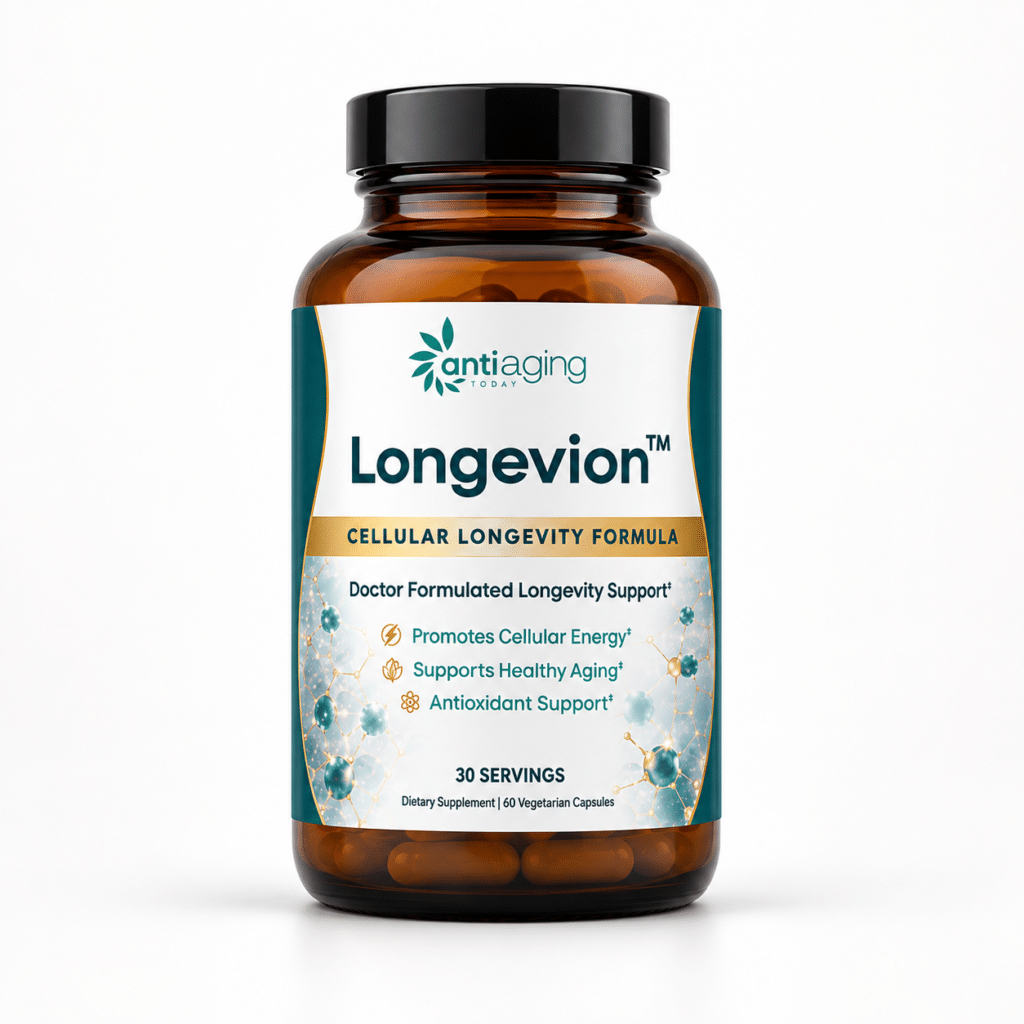
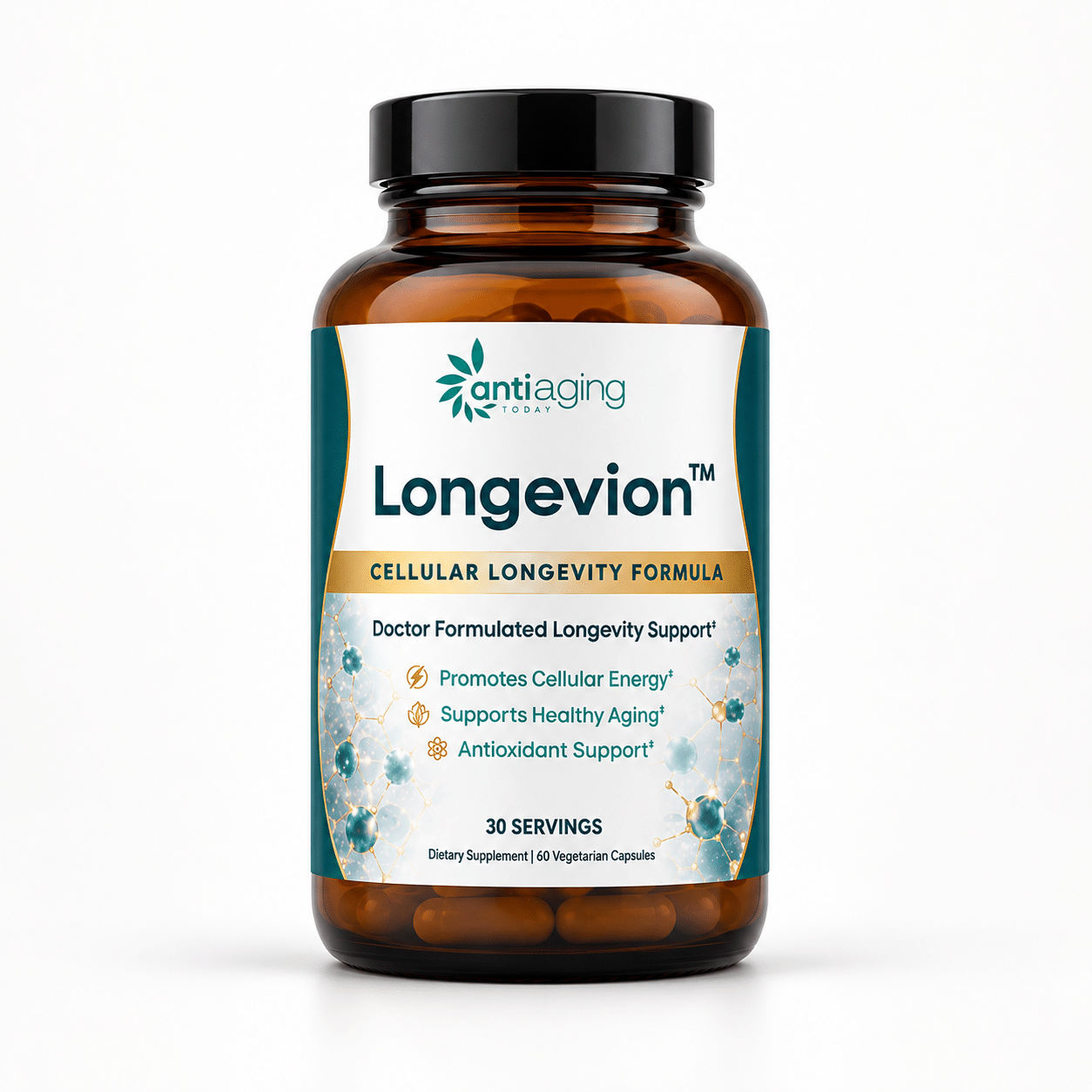
You can buy every ingredient separately, which gives you full control over doses — and a cabinet full of bottles. Or you can consolidate the cellular-energy layer. That’s why I formulated Longevion™ the way I did: 300 mg of NMN (inside the dose range where human trials are strongest), 150 mg of CoQ10, methylated B vitamins, magnesium malate, vitamin D3 and vitamin K2 in a single morning dose. The thesis is meaningful doses of ingredients that work together in the same energy pathway, rather than one megadosed molecule. The combination itself has not been tested as a unit in a clinical trial, and I won’t pretend otherwise.
Just as important is what an all-in-one doesn’t cover. Longevion contains no omega-3s and no creatine, and its magnesium is a supporting dose, not a full replacement for a magnesium-poor diet. For omega-3s, I recommend ProOmega 3.6.9. You can browse everything I’ve selected in our longevity supplements collection and the NAD+ and NMN collection.
Frequently Asked Questions
What is the best supplement for longevity?
There isn’t one single best longevity supplement. The best-supported options are omega-3s, vitamin D3 (if you’re low), magnesium (if your diet falls short), a multivitamin for cognitive aging, and creatine with strength training. The right choice depends on what you’re actually missing, which is why a blood test and a diet review beat any trending ingredient.
Do longevity supplements actually work?
Some do, for specific things. Omega-3s and vitamin D have slowed measured markers of biological aging in randomized trials, and multivitamins have slowed cognitive aging in older adults. No supplement has been proven to extend human lifespan, and many popular “anti-aging” ingredients are still supported mainly by animal studies.
Is NMN worth taking for longevity?
For many adults over 40, yes, as long as expectations stay realistic. NMN reliably raises NAD+ levels, and small randomized trials show improvements in walking endurance, muscle insulin sensitivity and aerobic capacity, with a good short-term safety record. It hasn’t been proven to extend lifespan. The best-supported dose range is 250–600 mg a day, taken alongside the basics, not instead of them.
What supplements do longevity doctors take?
Most physicians focused on longevity prioritize the basics: vitamin D, omega-3s, magnesium and creatine, adjusted to lab results. Some add NAD+ precursors and CoQ10. Personally, I take an NAD+ precursor with CoQ10 and cofactors, plus omega-3s, but what matters is matching supplements to your own labs, medications and diet.
Can you take all of these longevity supplements together?
Most of them can be combined safely by healthy adults at standard doses, but check interactions first. Vitamin K2 conflicts with warfarin, high-dose omega-3s can add to bleeding risk and raise atrial fibrillation risk, magnesium should be spaced from some antibiotics and osteoporosis medications, and CoQ10 can modestly lower blood pressure. Review your full list with your doctor or pharmacist.
Are longevity supplements safe if I take heart medications?
Often yes, but not automatically. Statin users may benefit from CoQ10, which statins deplete. Anyone on blood thinners needs to be careful with vitamin K2, high-dose fish oil and some herbal products. People on blood pressure medications should know that CoQ10 and magnesium can lower blood pressure a little. Always tell your cardiologist what you’re taking.
Key Takeaways
The best longevity supplements are the unglamorous ones: omega-3s, vitamin D3, magnesium, a multivitamin and creatine, matched to what you’re actually missing.
Omega-3s and vitamin D have now slowed measured biological aging markers in randomized human trials.
CoQ10 has strong data in heart failure and older adults, and is especially relevant if you take a statin.
NMN earns a B: it reliably raises NAD+ and has shown functional benefits in randomized trials, though those trials are small and long-term outcome data is still developing.
Taurine, fisetin, spermidine and alpha-ketoglutarate are ahead of their human evidence.
No supplement outperforms exercise, sleep, and blood pressure and cholesterol control.
About the Author
Dr. Don Zone, MD, FACC, FAARM, is a board-certified cardiologist, a Fellow of the American College of Cardiology and of the American Academy of Anti-Aging Medicine, and the founder of Anti-Aging Today. Disclosure: Dr. Zone formulated Longevion™ and has a financial interest in its sale. Anti-Aging Today also sells other products mentioned in this article.
References
Bischoff-Ferrari HA, et al. Individual and additive effects of vitamin D, omega-3 and exercise on DNA methylation clocks of biological aging in older adults from the DO-HEALTH trial. Nat Aging. 2025.
Manson JE, et al. Marine n−3 fatty acids and prevention of cardiovascular disease and cancer (VITAL). N Engl J Med. 2019.
Bhatt DL, et al. Cardiovascular risk reduction with icosapent ethyl (REDUCE-IT). N Engl J Med. 2019.
Hahn J, et al. Vitamin D and marine omega 3 fatty acid supplementation and incident autoimmune disease: VITAL. BMJ. 2022.
Zhu H, et al. Vitamin D3 and marine omega-3 fatty acids supplementation and leukocyte telomere length: 4-year findings from VITAL. Am J Clin Nutr. 2025.
Veronese N, et al. Effect of oral magnesium supplementation on physical performance in healthy elderly women. Am J Clin Nutr. 2014.
Fang X, et al. Dietary magnesium intake and the risk of cardiovascular disease, type 2 diabetes, and all-cause mortality. BMC Med. 2016.
Vyas CM, et al. Effect of multivitamin-mineral supplementation versus placebo on cognitive function: COSMOS. Am J Clin Nutr. 2024.
Chilibeck PD, et al. Effect of creatine supplementation during resistance training on lean tissue mass and muscular strength in older adults: a meta-analysis. Open Access J Sports Med. 2017.
Mortensen SA, et al. The effect of coenzyme Q10 on morbidity and mortality in chronic heart failure (Q-SYMBIO). JACC Heart Fail. 2014.
Alehagen U, et al. Cardiovascular mortality and N-terminal-proBNP reduced after combined selenium and coenzyme Q10 supplementation (KiSel-10). Int J Cardiol. 2013.
Head-to-head comparison of NAD+ precursors in humans. Nat Metab. 2026.
Geleijnse JM, et al. Dietary intake of menaquinone is associated with a reduced risk of coronary heart disease: the Rotterdam Study. J Nutr. 2004.
Schwarz C, et al. Effects of spermidine supplementation on cognition and biomarkers in older adults with subjective cognitive decline (SmartAge). JAMA Netw Open. 2022.
Igarashi M, et al. Chronic nicotinamide mononucleotide supplementation elevates blood nicotinamide adenine dinucleotide levels and alters muscle function in healthy older men. NPJ Aging. 2022.
Yi L, et al. The efficacy and safety of β-nicotinamide mononucleotide (NMN) supplementation in healthy middle-aged adults: a randomized, multicenter, double-blind, placebo-controlled, parallel-group, dose-dependent clinical trial. GeroScience. 2023.
Yoshino M, et al. Nicotinamide mononucleotide increases muscle insulin sensitivity in prediabetic women. Science. 2021.
Liao B, et al. Nicotinamide mononucleotide supplementation enhances aerobic capacity in amateur runners: a randomized, double-blind study. J Int Soc Sports Nutr. 2021.
Medical disclaimer: This article is for educational purposes only and is not a substitute for professional medical advice, diagnosis, or treatment. Always consult your physician before beginning any supplement, particularly if you take prescription medication, are pregnant or nursing, or have a medical condition. These statements have not been evaluated by the Food and Drug Administration. This product is not intended to diagnose, treat, cure, or prevent any disease.
Once people decide to support their NAD+ levels, the next question is almost always about format. Liposomal NAD+ promises to protect the molecule on its way in. Sublingual tablets promise to skip digestion entirely. Clinics offer IV drips that promise to put NAD+ straight into the bloodstream. Each option costs more than the last, and each comes with a confident explanation of why it absorbs better.
As a cardiologist, I’m trained to ask a simple question about any delivery claim: has anyone measured it, in people, against the alternative? This guide walks through what the human data actually shows for each form, where the evidence is industry-funded or preliminary, and how I’d spend the money if it were my own.
The Short Answer: Does Liposomal NAD+ Work Better Than Capsules?
There is no good evidence yet that liposomal or sublingual NAD+ works better than ordinary swallowed capsules of an NAD+ precursor such as NMN or NR. Oral NMN and NR have multiple independent randomized trials showing they raise blood NAD+, with one 2026 head-to-head trial finding about a doubling in two weeks. Liposomal NAD+ data so far comes from small, manufacturer-run studies, and the first randomized comparison of sublingual and swallowed NMN found no difference in blood NAD+ levels. IV NAD+ has no outcome trials. For most people, a swallowed precursor capsule at an evidence-based dose is the best-supported and most affordable choice.
First, the Problem Every Delivery Form Is Trying to Solve
NAD+ is a large, electrically charged molecule. That makes it poorly suited to crossing cell membranes intact, and when you swallow it, enzymes in the gut break much of it down into smaller pieces — mainly NMN, NR and nicotinamide — before absorption. Reviews of NAD+ metabolism (here and here) describe this breakdown in detail.
That’s why most of the research focuses on precursors — the smaller building blocks your cells use to make NAD+ themselves. Two findings matter here:
The gut has a dedicated door for NMN. Researchers identified a transporter (Slc12a8) in the small intestine of mice that specifically carries NMN into cells. Notably, its activity was higher in older animals.
Your gut bacteria join in. A 2025 tracer study in mice found that only a portion of swallowed NMN and NR is absorbed directly, while much of the rest is converted by gut microbes into other NAD+ building blocks that the liver then uses.
The takeaway: “it gets broken down in the gut” is true, but it isn’t the end of the story. Breakdown products are still raw material for NAD+. The real test is whether NAD+ levels go up in people — and for swallowed precursors, they reliably do.
Oral Capsules (NMN and NR): The Benchmark
Swallowed capsules are the format used in nearly every human NAD+ trial. A few highlights:
A 2026 four-arm trial in Nature Metabolism found that 1 gram a day of either NMN or NR roughly doubled whole-blood NAD+ within 14 days, while plain nicotinamide did not raise baseline levels.
A 60-day randomized trial of 80 adults found blood NAD+ rose at 300, 600 and 900 mg of NMN daily, with benefits on walking endurance peaking around 600 mg.
These studies were run by multiple independent research groups, used placebo controls, and measured NAD+ over weeks rather than minutes. That’s the bar any “better-absorbed” format needs to clear. For dosing details, see our NAD+ dosage guide and how much NMN to take.
Liposomal NAD+: The Claims vs. the Data
A liposome is a microscopic bubble made of the same kind of fat molecules (phospholipids) that form cell membranes. The idea is sensible: wrap NAD+ in a protective shell so it survives digestion and fuses with cells. Liposomes have genuinely improved absorption for some nutrients. The question is whether that’s been shown for NAD+.
Here’s what I could find as of November 2026:
A 2026 liposomal NAD+ study (CELLg8) gave 14 people 1,000 mg of liposomal NAD+ daily for two weeks and reported an average rise of about 64% in intracellular NAD+. However, the study was not randomized, had no placebo group, measured NAD+ from finger-stick blood spots, and was funded and run by the company that makes the product.
A 2025 pharmacokinetic study of a branded liposomal NAD+ ingredient (LipoAvail)reported roughly 1.5 times higher NAD+ exposure than standard oral NAD+. That comparison was against plain NAD+, not against NMN or NR, and the results were released by the ingredient manufacturer; I couldn’t locate a peer-reviewed publication with the full data.
A 2026 randomized, placebo-controlled trial of a “modulated” oral NAD+ formulation (not a liposome) reported a rise in whole-blood NAD+ over five days with no change in plasma NAD+. It’s a preprint — not yet peer reviewed — and was registered after the fact.
Put together: there are early signals that some liposomal or reformulated NAD+ products raise NAD+ in blood cells. There is no published head-to-head trial showing liposomal NAD+ beats NMN or NR, no long-term data, and almost all the evidence comes from the companies selling the technology. Liposomal products also tend to cost considerably more per milligram.
My take: liposomal NAD+ isn’t a scam, but it’s a premium price for an unproven advantage. If you already have a precursor with years of independent trial data, I don’t see a reason to switch.
Sublingual NAD+ and NMN: The First Head-to-Head Trial
Sublingual products dissolve under the tongue, where blood vessels sit close to the surface. The marketing usually claims faster absorption and “bypassing the liver.” Until recently, nobody had tested that directly.
In June 2026, a randomized crossover trial in Scientific Reports gave 14 healthy men NMN both ways — under the tongue and swallowed — and measured their blood for an hour. The result: no difference between routes in blood levels of NMN, nicotinamide or NAD+. The only difference was that sublingual dosing produced an earlier rise in two NAD+ breakdown products, called 2PY and 4PY.
That last detail caught my attention as a cardiologist. In a 2024 study in Nature Medicine, higher circulating 4PY was associated with greater risk of heart attack and stroke and appeared to promote vascular inflammation in experiments. That’s an association, and this tiny trial doesn’t show sublingual NMN is harmful. But it does suggest “faster in” may simply mean “faster broken down” — not more NAD+ where you want it.
My take: sublingual is fine if you prefer it, but the only direct comparison shows no NAD+ advantage over swallowing. It’s a small, one-hour study in men, so this could change — but the burden of proof is on the format making the claim.
Nasal Sprays and Patches
Nasal NAD+ sprays and transdermal patches have become popular, but I’m not aware of any published randomized human trial showing they raise NAD+ more effectively than swallowed precursors. The amount that can be delivered through the nose or skin is also limited. I’d consider these experimental.
IV and Injectable NAD+: A Reality Check
IV NAD+ is the most expensive option by far, often several hundred dollars per session. The most cited human study gave healthy men 750 mg of NAD+ by IV over six hours. Surprisingly, plasma NAD+ didn’t rise at all for the first two hours — the infused NAD+ was being cleared and broken down as fast as it went in.
The slow infusion rate itself reflects a practical problem: faster infusions tend to cause uncomfortable side effects like chest tightness, flushing and nausea.
There are no randomized trials showing IV NAD+ improves aging, energy or long-term health outcomes. When precursors swallowed at home roughly double blood NAD+ in two weeks, I can’t justify the cost, time and needle for most people. Anyone with heart disease should discuss IV therapies with their cardiologist before trying one.
Delivery Forms Compared
Form
What the human data shows
Independent placebo-controlled trials?
Typical cost
My verdict
Oral NMN or NR capsules
Reliably raise blood NAD+; roughly doubled in 2 weeks at 1 g
Yes, several
Low to moderate
Best-supported choice
Liposomal NAD+
Small, manufacturer-run studies suggest a rise in cellular NAD+
No
Moderate to high
Promising but unproven advantage
Sublingual NMN/NAD+
No difference vs swallowed NMN in blood NAD+ over 1 hour
One small crossover trial
Moderate
Fine, but no proven benefit
Nasal sprays / patches
No published controlled human NAD+ data I’m aware of
No
Moderate to high
Experimental
IV / injectable NAD+
Plasma NAD+ didn’t rise for 2 hours during a 6-hour infusion
No outcome trials
Very high
Not worth it for healthy aging
My Verdict by Budget
Tight budget: a plain NMN or NR capsule at an evidence-based dose — 250–600 mg of NMN or 300–1,000 mg of NR daily. You get the format with the most research for the lowest price.
Mid budget: a precursor paired with the cofactors your cells need to use it. That’s the approach I took with Longevion™: 300 mg of NMN alongside CoQ10, methylated B vitamins, magnesium malate, vitamin D3 and K2 in a two-capsule morning dose. The combination itself hasn’t been tested as a unit in a trial, but every ingredient is a standard swallowed form with human data behind it.
Unlimited budget: honestly, the same answer. Spending more on delivery technology doesn’t buy you better evidence. Put the difference into a gym membership.
Was it compared with NMN or NR — not just plain NAD+? Beating plain oral NAD+ is a low bar.
Was it randomized and placebo-controlled? Before-and-after measurements in a handful of people can’t separate the product from normal variation.
Who ran it? Manufacturer-funded studies aren’t automatically wrong, but they need independent confirmation.
Is it published and peer reviewed? Press releases and preprints are a starting point, not proof.
How long did it last? A one-hour or one-dose study tells you little about steady levels over months.
Does the label give a dose in milligrams? Proprietary blends and “equivalent” figures make it impossible to compare value.
Frequently Asked Questions
Is liposomal NAD+ better than NMN?
Not based on current evidence. No published head-to-head trial has shown liposomal NAD+ raises NAD+ more than NMN. NMN has several independent randomized trials showing it raises blood NAD+, while liposomal NAD+ data comes mainly from small, manufacturer-funded studies.
Does liposomal NAD+ actually work?
Early studies suggest some liposomal NAD+ products can raise NAD+ levels in blood cells, but those studies were small, mostly uncontrolled and funded by the manufacturers. It may work, but it hasn’t been shown to work better than cheaper swallowed precursors.
Is sublingual NAD+ better than capsules?
The first randomized comparison, published in 2026, found no difference in blood NAD+ between sublingual and swallowed NMN over an hour. Sublingual dosing did produce an earlier rise in NAD+ breakdown products, which isn’t a benefit.
Is IV NAD+ worth it?
For healthy aging, I don’t think so. IV NAD+ is expensive and slow, plasma NAD+ didn’t rise for the first two hours of a six-hour infusion in the best-known study, and there are no randomized trials showing long-term benefits. Swallowed precursors raise blood NAD+ at a fraction of the cost.
What is the most bioavailable form of NAD+?
Based on human data, swallowed NAD+ precursors — NMN and NR — have the strongest evidence for raising NAD+ levels. In a 2026 head-to-head trial, 1 gram of either roughly doubled whole-blood NAD+ within two weeks. No other delivery form has been shown to do better in a controlled comparison.
Can you take liposomal NAD+ with NMN?
There’s no known interaction, but there’s also no evidence that combining them adds benefit, and it increases cost. If you take more than one NAD+ product, keep your total precursor dose within studied ranges and tell your doctor, especially if you take medications for heart disease or diabetes.
Key Takeaways
Swallowed NMN and NR capsules are the only NAD+ formats with multiple independent, placebo-controlled trials showing NAD+ goes up.
Liposomal NAD+ data is early, small and manufacturer-run, and no study has shown it beats NMN or NR.
The first sublingual vs swallowed NMN trial found no difference in blood NAD+.
IV NAD+ is costly, slow and lacks outcome trials.
Judge any absorption claim by its comparator, design, funding, publication status and duration.
About the Author
Dr. Don Zone, MD, FACC, FAARM, is a board-certified cardiologist, a Fellow of the American College of Cardiology and of the American Academy of Anti-Aging Medicine, and the founder of Anti-Aging Today. Disclosure: Dr. Zone formulated Longevion™ and has a financial interest in its sale.
References
Head-to-head comparison of NAD+ precursors in humans. Nat Metab. 2026.
Yi L, et al. The efficacy and safety of β-nicotinamide mononucleotide supplementation in healthy middle-aged adults: a randomized, multicenter, double-blind, placebo-controlled, parallel-group, dose-dependent clinical trial. GeroScience. 2023.
Igarashi M, et al. Chronic nicotinamide mononucleotide supplementation elevates blood NAD+ levels and alters muscle function in healthy older men. NPJ Aging. 2022.
Grozio A, et al. Slc12a8 is a nicotinamide mononucleotide transporter. Nat Metab. 2019.
In vivo metabolic pathways of orally and intravenously administered NMN and NR (mouse tracer study). 2025.
Sublingual NMN administration increases early circulating terminal catabolites 2PY and 4PY compared with oral administration in healthy adult men. Sci Rep. 2026.
Ferrell M, et al. A terminal metabolite of niacin promotes vascular inflammation and contributes to cardiovascular disease risk. Nat Med. 2024.
Grant R, et al. A pilot study investigating changes in the human plasma and urine NAD+ metabolome during a 6 hour intravenous infusion of NAD+. Front Aging Neurosci. 2019.
Blair E, et al. Increased intracellular NAD+ levels via oral supplementation with a novel liposomal delivery method. J Appl Nat Med. 2026 (manufacturer-funded; summary).
Oral LNAD+ rapidly elevates intracellular NAD and metabolic flux without elevating circulating NAD (RENEWAL-NAD+). bioRxiv preprint. 2026.
Medical disclaimer: This article is for educational purposes only and is not a substitute for professional medical advice, diagnosis, or treatment. Always consult your physician before beginning any supplement, particularly if you take prescription medication, are pregnant or nursing, or have a medical condition. These statements have not been evaluated by the Food and Drug Administration. This product is not intended to diagnose, treat, cure, or prevent any disease.
If I had to pick one mineral that quietly runs the machinery of healthy aging, it would be magnesium. It’s needed every time your heart contracts, every time a cell makes energy, and every time your body activates vitamin D. And yet roughly half of American adults don’t get enough of it — a shortfall that tends to grow, not shrink, with every decade past 40.
The supplement aisle doesn’t make this easy. Magnesium comes in a dozen forms, each with its own marketing story. This guide cuts through it: what the evidence says about magnesium and aging, how the main types actually differ, and how to choose the right one for what you need.
The Short Answer: Which Type of Magnesium Is Best?
There’s no single best type of magnesium — the right form depends on what you want it to do. For general daily use and healthy aging, well-absorbed forms like magnesium citrate, glycinate or malate are good choices. Glycinate is gentle and suits evenings, malate suits daytime energy routines, and citrate is inexpensive and well absorbed but can loosen stools. Magnesium oxide is cheap but poorly absorbed, and magnesium L-threonate is marketed for the brain but delivers little elemental magnesium per capsule. Whatever the form, the number that matters is the elemental magnesium on the label, and most adults over 40 do best getting food first and supplementing the gap.
Why Magnesium Matters More After 40
Magnesium is a required partner for more than 300 enzyme systems, including the ones that produce cellular energy. ATP, your cells’ energy currency, is biologically active mainly when it’s bound to magnesium. That includes the enzymes that build NAD+ from precursors like NMN, which use ATP to do their work. In other words, magnesium sits underneath almost every “cellular energy” story you hear about longevity.
Aging squeezes magnesium from both ends:
You absorb less. Intestinal absorption declines with age.
You lose more. Kidney losses tend to rise.
You eat less. Total food intake often drifts down over the decades.
Common medications deplete it. Diuretics and long-term acid reducers (proton pump inhibitors) are two of the biggest culprits — and both are very common in my cardiology patients.
Magnesium also matters for vitamin D. In a randomized trial published in the American Journal of Clinical Nutrition, magnesium supplementation raised vitamin D levels in people who started low and lowered them in those who started high — evidence that adequate magnesium helps the body regulate vitamin D properly.
What the Evidence Says About Magnesium and Healthy Aging
Lower mortality and heart failure risk (observational). A meta-analysis of 40 cohort studies with more than a million participants found that each extra 100 mg of daily dietary magnesium was associated with 22% lower risk of heart failure, 19% lower risk of type 2 diabetes, 7% lower risk of stroke and 10% lower all-cause mortality. These are associations, not proof of cause, but they’re consistent and large.
Better physical function in older adults (randomized). In a 12-week trial of women in their early seventies, 300 mg of elemental magnesium daily improved chair-stand time, walking speed and overall physical performance, with the clearest benefit in women whose diets were low in magnesium.
Modestly lower blood pressure (randomized). A meta-analysis of 34 trials found that a median dose of 368 mg/day for about three months lowered systolic blood pressure by about 2 mmHg and diastolic by about 1.8 mmHg. Small numbers, but across a population, small blood pressure changes matter.
The pattern across this research is “fix the deficit,” not “megadose.” The people who benefit most are the ones who weren’t getting enough to begin with.
Types of Magnesium Compared
Every magnesium supplement is magnesium bound to a partner molecule. That partner changes three things: how much of the pill is actually magnesium (the elemental percentage), how well it’s absorbed, and how it treats your gut. The NIH Office of Dietary Supplements notes that forms that dissolve well in liquid — such as citrate, chloride and aspartate — are absorbed more completely than oxide and sulfate.
Form
Approx. elemental magnesium
Absorption
Best for
Watch-outs
Magnesium oxide
~60%
Poor
Occasional constipation, antacid use
Laxative effect; little absorbed for the dose
Magnesium citrate
~16%
Good
Budget-friendly daily use; those prone to constipation
Loose stools at higher doses
Magnesium glycinate (bisglycinate)
~14%
Good
Evening use, sensitive stomachs
More capsules for the same dose
Magnesium malate
~15%
Good (animal data suggest among the best)
Daytime routines, energy-focused formulas
Few human trials specific to this form
Magnesium L-threonate
~7–8%
Designed for brain uptake (mostly animal data)
People prioritizing cognition and sleep who accept early evidence
Expensive; low elemental dose per capsule
Magnesium chloride
~12%
Good
Oral liquids and tablets
Topical “magnesium oils” have little proof of absorption through skin
Magnesium taurate
Low
Limited human data
Cardiovascular-themed formulas
Benefits largely from animal research
Magnesium sulfate (Epsom salt)
~10%
Poor orally; not proven through skin
Relaxing baths
Not a reliable way to raise magnesium
Elemental percentages are approximate and vary with how the compound is manufactured. Always check the Supplement Facts panel for elemental magnesium.
Magnesium citrate
Citrate is the dependable workhorse: well absorbed, widely studied and inexpensive. The trade-off is that it draws water into the gut, so higher doses can loosen stools — a benefit if you tend toward constipation, a nuisance if you don’t.
Magnesium glycinate
Bound to the amino acid glycine, this form is usually the easiest on the stomach. Glycine itself has a mild calming reputation, which is why glycinate is popular at bedtime. The direct sleep evidence for glycinate specifically is thin, though; most magnesium-and-sleep studies used other forms and showed only modest effects.
Magnesium malate
Malate is a working part of the Krebs cycle, the energy engine inside your mitochondria, and in a controlled animal study it produced the highest and longest-lasting magnesium exposure of five forms tested. I explain the full case — and its limits — in our dedicated guide to magnesium malate benefits.
Magnesium L-threonate
Threonate was developed specifically to raise magnesium in the brain, and animal studies support that. Human trials are small and mostly industry-funded: one three-week randomized trial of 80 adults with sleep complaints reported better sleep and daytime functioning on 1 gram a day of magnesium L-threonate versus placebo. It’s interesting, but at roughly 7–8% elemental magnesium, it’s an inefficient way to fix a dietary shortfall.
Magnesium Threonate vs Glycinate: Which Should You Choose?
This is one of the most common magnesium questions I get, so here’s the direct answer. If your main goal is to correct low magnesium intake and support sleep, glycinate is the more practical choice: it delivers about twice as much elemental magnesium per gram, it’s gentle and it costs less.
If your priority is specifically brain health and you’re already getting enough magnesium from food, threonate is a reasonable experiment, with the understanding that the human evidence is early.
Some people use both — glycinate for the bulk of their magnesium and a small amount of threonate in the evening — which is fine as long as total supplemental magnesium stays within safe limits.
Why Formulation Matters
“Magnesium” on the front of a bottle can mean very different things. Here’s what I look for:
Elemental dose, not compound weight. “500 mg magnesium glycinate” may contain only about 70 mg of actual magnesium. The Supplement Facts panel should list the elemental amount.
A form that matches the job. Daytime energy formula, evening wind-down, constipation relief and bargain daily use each point to a different form.
Sensible partners. Magnesium works alongside vitamin D, vitamin K2 and B vitamins in overlapping pathways. That’s why, when I formulated Longevion™, I included 150 mg of magnesium malate next to NMN, CoQ10, methylated B vitamins, vitamin D3 and K2 — all of which feed into the same cellular-energy system.
Honesty about what a combination covers. In an all-in-one formula, magnesium is a supporting dose, not a full replacement for a magnesium-poor diet. If your intake is low, you may still need food changes or a dedicated magnesium supplement.
If you’re comparing longevity supplements that include magnesium, check three things: which form is used, how much elemental magnesium a serving provides, and whether the rest of the formula gives you a reason to take it together. You can see the products I’ve selected in our longevity supplements collection.
How Much Magnesium Do You Need? Dose and Safety
The recommended dietary allowance for adults 31 and older is 420 mg a day for men and 320 mg a day for women, from all sources. The upper limit for supplemental magnesium is 350 mg a day for adults — that limit doesn’t include magnesium from food, which doesn’t cause problems in people with healthy kidneys.
Most common side effect: loose stools or cramping, especially with oxide, citrate and chloride. Splitting the dose or switching forms usually helps.
Kidney disease: the kidneys clear excess magnesium. If your kidney function is reduced, don’t supplement without your doctor’s guidance.
Medication timing: take osteoporosis drugs (bisphosphonates) at least two hours apart from magnesium. Take tetracycline or quinolone antibiotics at least two hours before or four to six hours after magnesium.
Medications that change magnesium levels: loop and thiazide diuretics and long-term proton pump inhibitors can lower magnesium, while potassium-sparing diuretics can raise it. If you take any of these, ask your doctor whether your magnesium should be checked.
Heart rhythm: magnesium is used in hospitals to treat certain arrhythmias, but that’s IV therapy under monitoring. Never use supplements to self-treat palpitations — get them evaluated.
Food First: The Best Sources of Magnesium
Supplements fill gaps; food should do most of the work. Some of the richest sources, per the NIH:
Food
Serving
Magnesium (approx.)
Pumpkin seeds, roasted
1 oz
156 mg
Chia seeds
1 oz
111 mg
Almonds, dry roasted
1 oz
80 mg
Spinach, boiled
½ cup
78 mg
Cashews, dry roasted
1 oz
74 mg
Black beans, cooked
½ cup
60 mg
Edamame, shelled, cooked
½ cup
50 mg
Peanut butter
2 tbsp
49 mg
A handful of pumpkin seeds and a serving of leafy greens or beans each day goes a long way toward the RDA. These foods also bring fiber, potassium and healthy fats that a pill can’t.
Frequently Asked Questions
What type of magnesium is best for aging?
For most adults over 40, a well-absorbed form such as magnesium citrate, glycinate or malate is a good choice. Pick glycinate if you prefer evening dosing or have a sensitive stomach, malate for a daytime routine, and citrate if cost matters or you tend toward constipation. Avoid relying on magnesium oxide, which is poorly absorbed.
Is magnesium threonate or glycinate better?
Glycinate is better for correcting low magnesium and supporting sleep, because it delivers about twice as much elemental magnesium per gram and costs less. Threonate is designed to raise brain magnesium and has small, early human trials for sleep and cognition. It’s a reasonable add-on, not a replacement.
Is it safe to take magnesium every day?
Yes, for most healthy adults, as long as supplemental magnesium stays at or below 350 mg a day. People with kidney disease, and anyone taking osteoporosis drugs, certain antibiotics or diuretics, should check with their doctor first.
When is the best time to take magnesium?
It depends on the form and your goal. Glycinate is often taken in the evening, while malate fits a morning routine. Taking magnesium with food can reduce stomach upset, and splitting larger doses across the day improves tolerance.
Which form of magnesium should I avoid?
Magnesium oxide is the form I’d avoid for correcting a deficiency, because very little of it is absorbed. It’s fine as an occasional laxative or antacid. Be skeptical of topical magnesium oils and Epsom salt baths as ways to raise magnesium, since absorption through the skin hasn’t been reliably shown.
Does magnesium help you live longer?
Higher magnesium intake is associated with lower all-cause mortality and lower risk of heart failure, stroke and type 2 diabetes in large observational studies, and supplementation has improved physical function in older adults with low intake. That isn’t proof that magnesium extends lifespan, but correcting a shortfall is one of the most reasonable, low-risk steps in a healthy aging plan.
Key Takeaways
About half of adults don’t get enough magnesium, and aging makes absorption worse and losses greater.
Higher intake is linked to lower mortality and heart failure risk; supplementation improved function in older women with low intake.
Choose the form for the job: citrate for value, glycinate for evenings and sensitive stomachs, malate for daytime, threonate as an optional brain-focused add-on.
Always read the elemental magnesium amount, not the compound weight.
Keep supplemental magnesium at or below 350 mg a day unless your doctor advises otherwise, and get most of your magnesium from food.
About the Author
Dr. Don Zone, MD, FACC, FAARM, is a board-certified cardiologist, a Fellow of the American College of Cardiology and of the American Academy of Anti-Aging Medicine, and the founder of Anti-Aging Today. Disclosure: Dr. Zone formulated Longevion™ and has a financial interest in its sale. For more on how magnesium fits with other evidence-based ingredients, see the best longevity supplements, graded by evidence and our longevity science glossary.
Fang X, et al. Dietary magnesium intake and the risk of cardiovascular disease, type 2 diabetes, and all-cause mortality: a dose–response meta-analysis of prospective cohort studies. BMC Med. 2016.
Veronese N, et al. Effect of oral magnesium supplementation on physical performance in healthy elderly women involved in a weekly exercise program. Am J Clin Nutr. 2014.
Zhang X, et al. Effects of magnesium supplementation on blood pressure: a meta-analysis of randomized double-blind placebo-controlled trials. Hypertension. 2016.
Dai Q, et al. Magnesium status and supplementation influence vitamin D status and metabolism: results from a randomized trial. Am J Clin Nutr. 2018.
Uysal N, et al. Timeline (bioavailability) of magnesium compounds in hours: which magnesium compound works best? Biol Trace Elem Res. 2019.
Hausenblas HA, et al. Magnesium-L-threonate improves sleep quality and daytime functioning in adults with self-reported sleep problems: a randomized controlled trial. Sleep Med X. 2024.
Medical disclaimer: This article is for educational purposes only and is not a substitute for professional medical advice, diagnosis, or treatment. Always consult your physician before beginning any supplement, particularly if you take prescription medication, are pregnant or nursing, or have a medical condition. These statements have not been evaluated by the Food and Drug Administration. This product is not intended to diagnose, treat, cure, or prevent any disease.
Disclosure: Dr. Zone formulated Longevion, an NMN supplement sold by Anti-Aging Today, and has a financial interest in its sale. This guide is based on published human trials, which are listed at the end.
The Short Answer
There’s no official daily dose for NAD+ itself, because you don’t really take NAD+. You take a precursor that your cells turn into NAD+, and the dose that matters is the precursor dose.
Based on human trials:
NMN (nicotinamide mononucleotide): 250–600 mg per day. In the largest dose-response trial in healthy middle-aged adults, benefits rose from 300 to 600 mg and leveled off at 900 mg.
NR (nicotinamide riboside): 250–1,000 mg per day. Higher doses raise blood NAD+ further but haven’t shown extra benefit in healthy adults.
For most healthy adults over 40, I suggest starting at the lower end of either range and staying there unless your doctor has a reason to go higher. More isn’t automatically better.
NAD+ vs. Precursor Dosing: Why You Dose the Precursor
NAD+ (nicotinamide adenine dinucleotide) is a coenzyme every cell uses to turn food into energy and to run repair processes. Levels fall with age, which is why it has become a focus of longevity research.
The problem is that NAD+ is a large, fragile molecule. Swallowed as a capsule, most of it is broken down in the gut before it reaches your cells, and we found no peer-reviewed human trial showing that oral NAD+ raises blood NAD+. Smaller precursor molecules, mainly NMN and NR, are absorbed and converted into NAD+ inside your cells. That’s why nearly every serious NAD+ supplement uses a precursor, and why every dose in this guide refers to the precursor. (For a deeper comparison, see NMN vs. NAD+ and NMN vs. NR.)
Bottom line for NMN: 250–600 mg per day is the best-supported range. Doses above 600 mg haven’t shown extra benefit in healthy middle-aged adults and cost more. For a full breakdown, read my NMN dosage guide.
Well tolerated in this short safety study; blood NAD+ rose substantially
Bottom line for NR: 250–1,000 mg per day covers the doses with the most human data. Blood NAD+ keeps climbing at 2,000–3,000 mg, but trials at those doses haven’t shown added benefit for healthy people, and they’re short. Unless you’re in a supervised study, there’s little reason to go above 1,000 mg.
When More Isn’t Better
It’s tempting to assume that if 300 mg is good, 1,000 mg must be better. The evidence doesn’t support that. In the NMN dose-response trial, blood NAD+ and walking endurance were no better at 900 mg than at 600 mg. For NR, higher doses raised blood NAD+ further, but the outcomes people care about, like insulin sensitivity or body composition, didn’t improve at 2,000 mg.
There’s also a practical reason to stay moderate. When your body breaks down NMN and NR, part of it becomes nicotinamide, and clearing extra nicotinamide uses methyl groups. Researchers have raised a theoretical concern that very high doses over long periods could strain methylation. The human evidence for harm is weak, but it’s one more reason not to megadose. Whether adding folate or B12 offsets this hasn’t been tested in humans.
Morning or Night? What the Timing Evidence Shows
Timing research is thin. For NMN, one 12-week trial in 108 adults aged 65 and older compared 250 mg taken in the morning with 250 mg taken in the evening (6 p.m. to bedtime). The evening group showed the largest improvements in a sit-to-stand test and in daytime drowsiness, although the trial wasn’t designed to prove one time was better.
For NR, I’m not aware of any trial that compared timing or taking it with versus without food. Most higher-dose NR studies split the dose into morning and evening servings.
My practical advice: take your precursor at the same time every day, since consistency matters more than the clock. Morning dosing is a sensible default and easy to remember with breakfast. If you’re 65 or older and want to follow the one trial we have, taking it in the evening is a reasonable choice.
Is It Safe? Side Effects and Upper Limits
In human trials lasting from a few weeks to a few months, NMN up to 1,250 mg/day and NR up to 2,000–3,000 mg/day were well tolerated, with side effects similar to placebo. Mild digestive upset and headache are the complaints people mention most. Unlike niacin (nicotinic acid), NR and NMN are not associated with the hot, itchy skin flushing that niacin causes.
A few reference points:
European regulators (EFSA) assessed NR chloride as safe at up to 300 mg/day for healthy adults in supplements. That’s a conservative, precautionary figure, not a ceiling where harm begins.
In September 2025, the FDA confirmed that NMN is not excluded from the definition of a dietary supplement, so it can be marketed as one in the U.S., subject to the same rules as other supplement ingredients.
Long-term data is limited. No trial has followed people taking NMN or NR for years.
Talk to your doctor before taking an NAD+ precursor if you:
Are pregnant or breastfeeding
Have active cancer or a recent cancer history
Take prescription medications, especially blood thinners, or have liver or kidney disease
What About IV, Sublingual or Nasal NAD+?
NAD+ IV drips are popular at wellness clinics, but they’re expensive and the evidence is thin. In a small pharmacokinetic study, a 750 mg infusion given slowly over six hours was cleared from the blood quickly at first, with plasma NAD+ rising only near the end. Infusions given faster commonly cause nausea, cramping, chest tightness and a racing heart. I’m not aware of a randomized trial showing that IV NAD+ improves health outcomes in healthy adults. Sublingual and nasal NAD+ products have no published human absorption trials at all.
For most people, an oral precursor at a studied dose is the better-evidenced, lower-cost option.
How Longevion Fits
Longevion provides 300 mg of NMN per two-capsule serving, inside the 250–600 mg range with the strongest human evidence. Rather than chasing a bigger number, I paired it with CoQ10, magnesium malate, methylated B vitamins and vitamin D3/K2 to support normal cellular energy production. If you’re comparing options, our NAD+ & NMN supplements page lists what we carry. Longevion contains vitamin K2, so if you take warfarin, check with your cardiologist first.
Frequently Asked Questions
How much NAD+ should I take per day?
You don’t take NAD+ directly; you take a precursor. Human trials support about 250–600 mg per day of NMN or 250–1,000 mg per day of NR. Most healthy adults over 40 can start at the lower end of either range.
Is 1,000 mg of NMN too much?
A 1,250 mg daily dose was well tolerated in a four-week safety study, so 1,000 mg isn’t known to be dangerous in the short term. But in a dose-response trial, benefits leveled off around 600 mg, so 1,000 mg likely adds cost without clear benefit.
Can you take too much NAD+ precursor?
Trials of NR at 2,000–3,000 mg per day reported no serious side effects over weeks to months, but long-term safety at high doses isn’t known. Very high doses also produce more nicotinamide for your body to clear. Staying within studied ranges is the safest approach.
Should I take NAD+ supplements in the morning or at night?
Consistency matters more than timing. Morning is a sensible default. One small trial in adults 65 and older found slightly better results when NMN was taken in the evening, so evening dosing is also reasonable.
Does NAD+ dosage change with age?
No trial has validated age-based dosing. Most studies enrolled adults over 40, and NAD+ levels decline with age, so older adults are the group most studied. The 250–600 mg NMN range applied across the ages tested.
Is IV NAD+ better than oral supplements?
There’s no good evidence that it is. IV NAD+ is costly, often causes side effects when infused quickly, and hasn’t been shown in randomized trials to improve health outcomes in healthy adults. Oral NMN or NR at studied doses reliably raises blood NAD+.
How long does it take for NAD+ supplements to work?
Blood NAD+ levels rose within two to eight weeks in most trials. Changes in how people felt or performed, when they occurred, were usually measured after 8–12 weeks of daily use.
Key Takeaways
You dose the precursor, not NAD+ itself, because oral NAD+ is poorly absorbed.
NMN: 250–600 mg per day is the best-supported range; benefits leveled off around 600 mg.
NR: 250–1,000 mg per day covers most human data; higher doses haven’t shown extra benefit in healthy adults.
Take it at the same time daily; morning is a sensible default, and evening dosing is reasonable for adults 65+.
IV, sublingual and nasal NAD+ lack good human evidence.
Check with your doctor if you’re pregnant, have a cancer history or take prescription medications.
Igarashi M, et al. Chronic nicotinamide mononucleotide supplementation elevates blood nicotinamide adenine dinucleotide levels and alters muscle function in healthy older men. npj Aging. 2022;8:5. doi:10.1038/s41514-022-00084-z
Kim M, et al. Effect of 12-week intake of nicotinamide mononucleotide on sleep quality, fatigue, and physical performance in older Japanese adults: a randomized, double-blind placebo-controlled study. Nutrients. 2022;14(4):755. doi:10.3390/nu14040755
Yi L, et al. The efficacy and safety of β-nicotinamide mononucleotide (NMN) supplementation in healthy middle-aged adults: a randomized, multicenter, double-blind, placebo-controlled, parallel-group, dose-dependent clinical trial. GeroScience. 2023;45(1):29–43. doi:10.1007/s11357-022-00705-1
Liao B, et al. Nicotinamide mononucleotide supplementation enhances aerobic capacity in amateur runners: a randomized, double-blind study. J Int Soc Sports Nutr. 2021;18:54. doi:10.1186/s12970-021-00442-4
Fukamizu Y, et al. Safety evaluation of β-nicotinamide mononucleotide oral administration in healthy adult men and women. Sci Rep. 2022;12:14442. doi:10.1038/s41598-022-18272-y
Conze D, Brenner C, Kruger CL. Safety and metabolism of long-term administration of NIAGEN (nicotinamide riboside chloride) in a randomized, double-blind, placebo-controlled clinical trial of healthy overweight adults. Sci Rep. 2019;9:9772. doi:10.1038/s41598-019-46120-z
Dellinger RW, et al. Repeat dose NRPT (nicotinamide riboside and pterostilbene) increases NAD+ levels in humans safely and sustainably. npj Aging Mech Dis. 2017;3:17. doi:10.1038/s41514-017-0016-9
Martens CR, et al. Chronic nicotinamide riboside supplementation is well-tolerated and elevates NAD+ in healthy middle-aged and older adults. Nat Commun. 2018;9:1286. doi:10.1038/s41467-018-03421-7
Dollerup OL, et al. A randomized placebo-controlled clinical trial of nicotinamide riboside in obese men: safety, insulin-sensitivity, and lipid-mobilizing effects. Am J Clin Nutr. 2018;108(2):343–353. doi:10.1093/ajcn/nqy132
Berven H, et al. NR-SAFE: a randomized, double-blind safety trial of high dose nicotinamide riboside in Parkinson’s disease. Nat Commun. 2023;14. doi:10.1038/s41467-023-43514-6
Grant R, et al. A pilot study investigating changes in the human plasma and urine NAD+ metabolome during a 6 hour intravenous infusion of NAD+. Front Aging Neurosci. 2019;11:257. doi:10.3389/fnagi.2019.00257
EFSA Panel on Nutrition, Novel Foods and Food Allergens. Safety of nicotinamide riboside chloride as a novel food. EFSA J. 2019;17(8):5775. doi:10.2903/j.efsa.2019.5775
Hwang ES, Song SB. Possible adverse effects of high-dose nicotinamide: mechanisms and safety assessment. Biomolecules. 2020;10(5):687. doi:10.3390/biom10050687
U.S. Food and Drug Administration. Response to citizen petition FDA-2023-P-0872 regarding NMN, September 29, 2025. regulations.gov
About the author:Dr. Don Zone, MD, FACC, FAARM, is a board-certified cardiologist and Fellow of the American Academy of Anti-Aging Medicine. He formulated Longevion and has a financial interest in its sale.
These statements have not been evaluated by the Food and Drug Administration. These products are not intended to diagnose, treat, cure, or prevent any disease. This article is for educational purposes and is not a substitute for advice from your physician.
Disclosure: Anti-Aging Today sells Longevion, and Dr. Zone formulated it and has a financial interest in its sale. Every other product in this guide is from a brand we have no relationship with. We don’t earn commissions on those links, and no brand paid to be included. Prices were checked in October 2026 and change often, especially around Black Friday.
The Short Answer
The best longevity gifts help someone do the things that actually move the needle on healthy aging: know their blood pressure, move more, sleep better, eat well and stay connected. My top picks this year are a validated upper-arm blood pressure monitor, a personal EKG device, a fitness and sleep tracker, a walking pad or adjustable dumbbells, and an experience you share together. None of them is flashy, but each one supports a habit I talk about with patients every week.
Quick Picks by Who You’re Shopping For
For…
Top pick
Why
Older parents
Validated upper-arm blood pressure monitor
The single most useful health device for adults over 50
Him
Adjustable dumbbells or a fitness tracker
Strength training and daily steps are both linked to longer life
Her
A sleep kit or a walking pad
Sleep is now part of the American Heart Association’s heart-health checklist
Biohackers
Personal EKG or a smart ring
Real, clinically cleared data instead of gadget guesswork
Anyone
A CPR class or a cooking class together
Skills and time together, the gifts that last
The 10 Best Longevity Gifts of 2026
1. A Validated Upper-Arm Blood Pressure Monitor
Picks: Omron Silver (BP5255), about $61 (sold on Amazon) · Withings BPM Connect, about $130
If you buy one health gift this year, make it this one. High blood pressure usually has no symptoms, and the 2025 American Heart Association/American College of Cardiology guideline calls home monitoring an important tool for keeping it under control. The goal for most adults is below 130/80.
Two things matter when you shop. First, choose an upper-arm cuff, not a wrist model; upper-arm devices are preferred for accuracy. Second, make sure it’s clinically validated. You can check any model on the American Medical Association’s free list at validatebp.org. Both picks above are on it. The Omron Silver is a reliable, affordable choice. The Withings model sends readings straight to an app, which makes it easy to share trends with a doctor.
Best for: older parents, anyone with a family history of heart disease, and anyone told their numbers are “borderline.”
2. A Personal EKG Device
Picks: KardiaMobile 6L, about $129 · KardiaMobile Card, about $109
Atrial fibrillation (AFib) becomes more common with age, and it can come and go. These FDA-cleared devices let someone record an EKG in about 30 seconds when they feel a flutter or a racing heart, then share it with their doctor. That’s far more useful to a cardiologist than “it happened last Tuesday.” The 6L records six leads; the Card is wallet-sized and records one. Neither requires a subscription.
Best for: biohackers who want real data, and parents who’ve mentioned palpitations.
3. A Fitness and Sleep Tracker
Picks: Fitbit Charge 6, about $160 · Apple Watch Series 12, from $399 · Oura Ring 4, from $349 plus a $5.99/month membership (the newer Oura Ring 5 starts at $399)
A tracker turns daily movement and sleep into numbers people can see improving. The Fitbit Charge 6 offers continuous heart rate, an ECG app that checks for AFib, and irregular-rhythm notifications at less than half the price of a smartwatch. Apple Watch adds an ECG app, sleep tracking and, on supported models and regions, hypertension notifications. Oura’s ring is the most comfortable option for sleep tracking because there’s no screen to light up at night. If you give an Oura, mention the membership so it isn’t a surprise.
A cardiologist’s caution: no watch or ring measures blood pressure accurately. Apple’s hypertension notifications can flag a pattern worth checking, but they don’t replace a cuff, and the 2025 guideline advises against relying on cuffless devices. Pair any tracker with gift #1.
Best for: him, her and anyone motivated by streaks and goals.
4. A Better-Sleep Kit
Picks: Manta Sleep Mask, about $39 · Hatch Restore 3 sunrise alarm and sound machine, about $170
In 2022, the American Heart Association added sleep to its “Life’s Essential 8” checklist for heart health, recommending seven to nine hours a night for adults. A blackout mask that doesn’t press on the eyes is the simplest upgrade I know. A sunrise alarm wakes you with gradually brightening light and can play soothing sounds at night, which helps build a consistent schedule.
Best for: her, light sleepers, shift workers and new retirees resetting their routines.
5. A Walking Pad
Pick: WalkingPad C2, list price $599 (often on sale)
A large analysis of 15 studies and more than 47,000 adults found that the risk of dying during follow-up kept falling as daily steps rose, leveling off at about 6,000–8,000 steps for adults 60 and older and 8,000–10,000 for younger adults. A folding under-desk treadmill makes those steps easy on a rainy day or during a phone call. It tops out at 4 mph, so it’s built for walking, not running.
Best for: remote workers, cold-climate parents and anyone who says they “don’t have time” to walk.
6. Adjustable Dumbbells
Pick: Bowflex SelectTech 552, list price $479 (often on sale)
Muscle is one of the most underrated longevity assets. A 2022 review of large cohort studies linked muscle-strengthening activity to a 10–17% lower risk of death from any cause and of cardiovascular disease, cancer and diabetes, with the biggest benefit at roughly 30 to 60 minutes a week. Adjustable dumbbells replace a rack of weights (5 to 52.5 pounds each) and fit in a closet, which removes the “I don’t belong at a gym” excuse.
Best for: him, her and any adult over 50 who wants to stay strong and independent.
7. From Our Shop: Longevion by Anti-Aging Today
Price:Longevion, $79 per 30-day bottle ($67.15/month on subscription)
Full disclosure: I formulated Longevion, so take my enthusiasm with a grain of salt.
I designed it for the adults over 40 I see in practice who want to support healthy aging without a cabinet full of bottles. Each two-capsule morning serving combines 300 mg of NMN, a precursor to NAD+ (a coenzyme your cells use to make energy, whose levels decline with age), with CoQ10, magnesium malate, methylated B vitamins and vitamin D3/K2 to support normal cellular energy production.
You can give a single bottle or set up a monthly subscription shipped to the recipient. For the science behind the dose, see How Much NMN Should You Take?.
Important: Longevion contains vitamin K2. Anyone taking warfarin should check with their cardiologist first. A supplement is a personal choice, so it’s best for someone who has already told you they’re interested.
Best for: biohackers and health-curious parents.
8. A Mediterranean Kitchen Gift
Ideas: a quality extra-virgin olive oil, a Mediterranean cookbook, or a cooking class you take together
The Mediterranean diet has some of the best evidence in nutrition. In the PREDIMED trial of more than 7,400 adults at high cardiovascular risk, a Mediterranean diet supplemented with extra-virgin olive oil was linked to about 30% fewer major cardiovascular events than a reduced-fat control diet. A good bottle of olive oil plus a cookbook is an easy, delicious nudge in that direction.
Best for: the home cook, and anyone whose doctor has mentioned cholesterol.
9. A CPR Class for the Family
Idea: an American Heart Association Heartsaver CPR and AED course
This one is for the people who love the recipient. Most cardiac arrests happen at home, and bystander CPR can double or triple the chance of survival, according to the American Heart Association. Book a class for the whole family. It’s a gift that could matter more than anything else on this list.
Best for: adult children of older parents, and families with a history of heart disease.
10. Time Together
Ideas: a standing weekly walk, a fitness class pass for two, a trip, or simply an afternoon without phones
A review of 148 studies covering more than 300,000 people found that those with stronger social relationships had about 50% higher odds of survival over the study periods. That effect is comparable to well-known risk factors like smoking. For an older parent especially, a scheduled weekly walk with you may be the most meaningful longevity gift of all, and it costs nothing.
Best for: everyone on your list.
Gifts I’d Skip
Wrist or cuffless blood pressure gadgets. Upper-arm cuffs are more accurate, and the latest guideline advises against relying on cuffless devices.
Megadose supplements. More isn’t better. With NAD+ precursors, for example, the best trial data shows benefits leveling off at moderate doses.
NAD+ IV drip gift certificates. They’re expensive and can cause side effects, and there’s no good trial evidence of benefit in healthy adults.
Anything promising to “detox” or “reverse aging” fast. If a gift’s marketing sounds too good to be true, it is.
Frequently Asked Questions
What is a good longevity gift?
A good longevity gift supports a proven healthy-aging habit: checking blood pressure, moving more, building strength, sleeping well, eating a Mediterranean-style diet or spending time with people. A validated upper-arm blood pressure monitor is the single most useful option for most adults over 50.
What are good health gifts for older parents?
Top choices are a clinically validated upper-arm blood pressure monitor, a personal EKG device such as KardiaMobile, a walking pad, a sleep kit, and a CPR class for the family. Shared time, like a weekly walk together, is also strongly linked to healthy aging.
What do you get a biohacker who has everything?
Give them clinically meaningful data rather than another gadget: an FDA-cleared personal EKG, a validated blood pressure monitor, or a sleep-tracking ring. Adjustable dumbbells are a smart pick too, since strength training is among the best-supported habits for longevity.
Can a smartwatch measure blood pressure?
Not accurately enough to rely on. Some watches can notify you of patterns that suggest high blood pressure, but they don’t measure it, and the 2025 AHA/ACC guideline advises against relying on cuffless devices. Use a validated upper-arm cuff to check your numbers.
Are wellness gifts for him and her different?
The core habits are the same for everyone: blood pressure awareness, movement, strength, sleep and connection. Choose based on the person. Someone who loves data may prefer a tracker, while someone short on sleep may appreciate a sleep kit more.
Key Takeaways
The best longevity gifts support proven habits: blood pressure awareness, movement, strength, sleep, diet and connection.
Choose an upper-arm blood pressure monitor and confirm it’s validated at validatebp.org.
Trackers and smart rings are motivating, but none measures blood pressure accurately.
Strength training, daily steps and strong relationships are all linked to longer life.
Skip wrist cuffs, megadoses and IV drip gift certificates.
2025 AHA/ACC/AANP/AAPA/ABC/ACCP/ACPM/AGS/AMA/ASPC/NMA/PCNA/SGIM Guideline for the Prevention, Detection, Evaluation and Management of High Blood Pressure in Adults. Hypertension. 2025. doi:10.1161/HYP.0000000000000249
Shimbo D, et al. Self-measured blood pressure monitoring at home: a joint policy statement from the American Heart Association and American Medical Association. Circulation. 2020;142:e42–e63. doi:10.1161/CIR.0000000000000803
Lloyd-Jones DM, et al. Life’s Essential 8: updating and enhancing the American Heart Association’s construct of cardiovascular health. Circulation. 2022;146:e18–e43. doi:10.1161/CIR.0000000000001078
Paluch AE, et al. Daily steps and all-cause mortality: a meta-analysis of 15 international cohorts. Lancet Public Health. 2022;7(3):e219–e228. doi:10.1016/S2468-2667(21)00302-9
Momma H, et al. Muscle-strengthening activities are associated with lower risk and mortality in major non-communicable diseases: a systematic review and meta-analysis of cohort studies. Br J Sports Med. 2022;56(13):755–763. bjsm.bmj.com
Estruch R, et al. Primary prevention of cardiovascular disease with a Mediterranean diet supplemented with extra-virgin olive oil or nuts. N Engl J Med. 2018;378:e34. doi:10.1056/NEJMoa1800389
American Heart Association. CPR facts and stats. cpr.heart.org
Holt-Lunstad J, Smith TB, Layton JB. Social relationships and mortality risk: a meta-analytic review. PLoS Med. 2010;7(7):e1000316. doi:10.1371/journal.pmed.1000316
About the author:Dr. Don Zone, MD, FACC, FAARM, is a board-certified cardiologist and Fellow of the American Academy of Anti-Aging Medicine. He formulated Longevion and has a financial interest in its sale.
These statements have not been evaluated by the Food and Drug Administration. These products are not intended to diagnose, treat, cure, or prevent any disease. This article is for educational purposes and is not a substitute for advice from your physician.
Disclosure: Dr. Zone formulated Longevion, one of the eight products ranked below, and Anti-Aging Today sells Longevion and Thorne ResveraCel. Every product, including ours, was scored on the same published rubric. We don’t accept payment for placement, and we’ve shown every score so you can check our math.
The Short Answer
The best NAD+ supplement for most adults is a nicotinamide riboside (NR) or NMN product that provides a clinically studied dose, is independently tested, and is affordable enough to take every day.
On those criteria, Tru Niagen (300 mg NR) is our top pick for a single-ingredient supplement, because its ingredient has the deepest human-trial record. If you want NAD+ support plus CoQ10, B vitamins, magnesium and vitamin D3/K2 in one dose, Longevion is the most complete formula on this list. It ranks fifth only because its clinical evidence comes from its individual ingredients rather than the finished formula, and it costs more than single-ingredient options.
Our Top Picks at a Glance
Rank
Product
NAD+ precursor per serving
Price per serving*
Score /100
Best for
1
Tru Niagen 300 mg
300 mg NR
$1.63 ($1.31 subscription)
81
Best overall single-ingredient supplement (most clinical research)
2
Life Extension NAD+ Cell Regenerator
300 mg NR
$1.35 ($1.20 AutoShip)
81
Best value
3
Thorne NiaCel 400
415 mg NR hydrogen malate
$1.23
78
Best for drug-tested athletes (NSF Certified for Sport)
*List prices checked October 2026. Brands change prices and run frequent sales, so check the current price before buying. Ties are broken by the clinical evidence score.
How We Scored Them
Most “best NAD+” lists don’t explain their rankings. Ours uses five weighted criteria, and the weights reflect what matters to me as a cardiologist: is there human evidence, and can you trust what’s in the bottle?
Criterion
Points
What earns full marks
Clinical evidence
30
Published human randomized controlled trials (RCTs) on this specific ingredient or product, ideally several
Evidence-based dose
20
A dose inside the range human trials support: about 250–600 mg/day for NMN and 250–1,000 mg/day for NR. More isn’t automatically better.
Third-party testing
20
Independent certification (NSF, ConsumerLab) or published batch Certificates of Analysis (COAs). A “tested” claim with no documents behind it earns little.
Formulation
15
Cofactors with a clear rationale, clean excipients and a sensible daily routine
Value
15
Cost per daily serving and per 100 mg of precursor at list price
Full score sheet:
Product
Evidence /30
Dose /20
Testing /20
Formula /15
Value /15
Total
Tru Niagen
29
18
15
6
13
81
Life Extension NAD+ Cell Regenerator
27
18
16
6
14
81
Thorne NiaCel 400
20
18
19
6
15
78
Elysium Basis
24
16
19
9
9
77
Longevion
16
18
16
15
9
74
ProHealth NMN Pro 1000
20
13
16
5
14
68
Wonderfeel Youngr NMN
15
14
15
10
10
64
Renue By Science Lipo NMN
12
16
18
5
13
64
A note on NMN vs. NR: both are NAD+ precursors, which your cells convert into NAD+. Oral NAD+ itself is poorly absorbed, which is why nearly every serious product uses a precursor instead (see NMN vs. NAD+: what’s the difference?). NR currently has more published human trials. NMN’s human data is newer but growing, and it includes a dose-response trial that is useful for choosing a dose.
The 8 Best NAD+ Supplements of 2026: Detailed Reviews
1. Tru Niagen 300 mg: Best Single-Ingredient Supplement
Tru Niagen is made by ChromaDex, the company behind the Niagen NR ingredient, and that ingredient has the deepest clinical record in the category. In an 8-week randomized trial of 140 overweight adults, 100, 300 and 1,000 mg/day of Niagen raised blood NAD+ in a dose-dependent way (by about 22%, 51% and 142% within two weeks) with no safety signals versus placebo (Conze et al., Scientific Reports, 2019). A separate crossover study in healthy middle-aged and older adults found 1,000 mg/day well tolerated and effective at raising NAD+ (Martens et al., Nature Communications, 2018).
Why it ranks #1: the strongest evidence for the exact ingredient in the bottle, at a studied dose.
Drawbacks: it’s a single ingredient, and while the brand references NSF certification, we couldn’t confirm that it covers the 300 mg capsule specifically.
2. Life Extension NAD+ Cell Regenerator: Best Value
Precursor: 300 mg NR (Niagen®) · Serving: 1 capsule · Price: $40.50 for 30 servings ($1.35/serving; $36.00 on AutoShip, $1.20/serving)
This product uses the same Niagen ingredient and dose as Tru Niagen, so it inherits the same clinical evidence, and it costs about 17% less per serving at list price. It also carries ConsumerLab’s “Approved Quality” seal, which means an outside lab confirmed the label claim.
Why it ranks #2: the same science as #1 for less money, plus independent verification. It ties Tru Niagen on total score but ranks second because the trials were run on ChromaDex’s product.
Drawbacks: a single ingredient, and no published batch COAs.
3. Thorne NiaCel 400: Best for Drug-Tested Athletes
Precursor: 415 mg NR hydrogen malate · Serving: 1 capsule · Price: $74 for 60 servings ($1.23/serving)
NiaCel 400 has the lowest cost per serving on our list and is certified by NSF Certified for Sport, the standard professional and collegiate athletes rely on. It uses a different salt form of NR (hydrogen malate) than the Niagen products above. By molecular weight, 415 mg of NR hydrogen malate delivers roughly the same amount of NR as 300 mg of NR chloride, so the doses are comparable. It lost evidence points because most published NR trials used the chloride form.
We also stock Thorne ResveraCel, which pairs the same NR form with resveratrol, quercetin and betaine for people who want a combination product. We ranked NiaCel 400 here because it’s the single-ingredient version with NSF Certified for Sport status.
4. Elysium Basis: Best Studied Combination Formula
Basis is one of the few finished products tested as a formula, not just as an ingredient. In a randomized trial of 120 adults aged 60 to 80, the recommended dose raised blood NAD+ by about 40%, and the increase held through the eight-week study (Dellinger et al., npj Aging and Mechanisms of Disease, 2017). It is NSF Certified for Sport, with lot lookup on NSF’s site.
Drawbacks: one of the higher costs per 100 mg of precursor on the list, and the NR dose sits at the low end of the studied range.
5. Longevion by Anti-Aging Today: Best All-in-One Formula
Formula (2 capsules): 300 mg NMN, 150 mg CoQ10 (ubiquinone), 150 mg magnesium malate, vitamin B1 25 mg, B2 10 mg (R5P), B6 10 mg (P5P), B12 1,000 mcg (methylcobalamin), folate 400 mcg DFE (L-5-MTHF), vitamin D3 25 mcg (1,000 IU), vitamin K2 (MK-7) 100 mcg · Price: $79 for 30 servings ($2.63/serving; $67.15 on subscription, $2.24/serving)
Full disclosure: I formulated Longevion, so treat this section with appropriate skepticism. That’s why we scored it on exactly the same rubric as everything else.
Longevion pairs an evidence-based NMN dose with cofactors involved in normal cellular energy metabolism. The combination itself hasn’t been tested in a clinical trial. Its 300 mg of NMN sits inside the 250–600 mg range where human trials show the clearest results (see How Much NMN Should You Take?). CoQ10 and magnesium are part of the same cellular energy pathway that NAD+ feeds, and the methylated B vitamins support normal energy metabolism. It earned the top formulation score on this list.
Where it lost points: the finished formula hasn’t been tested in its own clinical trial, so it scored 16/30 on evidence, below NR-based products with years of published trials behind them. It also costs more per 100 mg of NMN than single-ingredient products, but that comparison ignores the CoQ10, magnesium, B vitamins and D3/K2 you’d otherwise buy separately.
Its third-party Certificate of Analysis is available on the product page, so you know exactly what you’re getting when you order.
Who it’s for: adults over 40 who want NAD+ support and core cofactors in one morning dose instead of a cabinet of bottles. See Longevion’s full formula →
Important: Longevion contains vitamin K2. If you take warfarin (Coumadin), talk to your cardiologist before using it, because vitamin K affects how warfarin works.
6. ProHealth Longevity NMN Pro 1000: Best High-Dose NMN
Precursor: 1,000 mg NMN (Uthever®) · Serving: 2 capsules · Price: $64.95 for 30 servings ($2.17/serving; $58.46 on subscription)
ProHealth is one of the most-known brands for NMN, and this product delivers the most NMN per dollar on our list (about $0.22 per 100 mg). Its Uthever NMN ingredient was studied in a 60-day randomized trial at 300 mg/day, where it was well tolerated (Huang, Frontiers in Aging, 2022). That trial was run by the ingredient’s manufacturer, and its efficacy results were modest. ProHealth publishes third-party lab test results.
Why it isn’t higher: the best dose-response data we have shows that benefits rose from 300 to 600 mg/day, then leveled off at 900 mg (Yi et al., GeroScience, 2023). A 1,000 mg dose costs more without clear added benefit. Taking one capsule (500 mg) instead of two puts you in the studied range and doubles how long a bottle lasts.
7. Wonderfeel Youngr NMN: NMN Plus Resveratrol
Formula (2 capsules): 900 mg NMN, 100 mg trans-resveratrol, 4 mg ergothioneine, 50 mg olive extract, 20 mcg vitamin D3 · Price: $88 for 30 servings ($2.93/serving; $73 on subscription)
Wonderfeel packs a high NMN dose alongside resveratrol and ergothioneine, and the brand has published third-party COAs. The pairing with resveratrol is popular, but human evidence that resveratrol boosts NMN’s effects is thin. The 900 mg NMN dose sits above the point where trial benefits leveled off.
Drawbacks: the highest cost per serving on the list, and no published trial on the finished formula.
8. Renue By Science Lipo NMN: Most Transparent Batch Testing
Precursor: 250 mg liposomal NMN per capsule (2 capsules recommended daily) · Price: $64.95 for 90 capsules (45 servings; $1.44/serving, about $1.30 on subscription)
Renue publishes batch COAs on its product and testing pages, covering potency, heavy metals and microbiology. That’s the kind of transparency we’d like every brand to match, and it’s also one of the better values on the list. It ranks last because its main selling point, liposomal delivery, hasn’t been shown in human trials to raise NAD+ more than standard capsules, and it ties Wonderfeel on total score with a lower evidence score.
Who Should Skip NAD+ Boosters?
As a cardiologist, I’d rather you hear this from me than from a sales page. NAD+ precursors look safe in trials lasting up to several months, but they aren’t for everyone:
Pregnant or breastfeeding women. There is little safety data in these groups.
Anyone with active cancer or a recent cancer history. NAD+ supports cell energy in all cells, and some lab research raises a theoretical concern about tumor cells. Talk to your oncologist first.
People taking warfarin. Products containing vitamin K2 (including Longevion) affect warfarin dosing, and resveratrol (in ResveraCel and Youngr) may affect bleeding risk. Review any supplement with your prescriber.
Healthy adults under about 35. NAD+ levels decline with age, and most trials enrolled middle-aged and older adults. The case for supplementing younger people is weak.
Anyone expecting a dramatic, immediate effect. Trials consistently show higher blood NAD+ levels. Effects on how people feel and function are more modest and vary between studies.
If you take prescription medications, especially for heart rhythm, blood pressure or blood thinning, review any new supplement with your doctor.
Frequently Asked Questions
What is the best NAD+ supplement in 2026?
For people looking only for NAD+ support, Tru Niagen (300 mg nicotinamide riboside) ranks best overall because its ingredient has the most human clinical trials. For an all-in-one formula with CoQ10, magnesium and B vitamins, Longevion is the most complete option we reviewed.
Is NMN or NR better for raising NAD+?
Both reliably raise blood NAD+ in human trials. NR has more published studies. NMN has newer data, including a dose-response trial showing benefits up to about 600 mg/day. Choose based on product quality and a studied dose rather than the precursor alone.
Can you take NAD+ directly instead of NMN or NR?
Oral NAD+ is a large molecule that is largely broken down in the gut before it reaches your cells, which is why most supplements use the precursors NMN or NR. Cells convert those into NAD+.
How much NAD+ supplement should I take per day?
Human trials support about 250–600 mg/day of NMN or 250–1,000 mg/day of NR. Higher doses haven’t clearly added benefit. See our NAD+ dosage guide for details.
Are NAD+ supplements safe?
In clinical trials lasting up to several months, NMN and NR were well tolerated, with side effects similar to placebo. Long-term data is limited. Pregnant women, people with cancer and anyone on blood thinners should talk to a doctor first.
Is NMN legal to sell as a supplement?
Yes. In September 2025, the FDA reversed its earlier position and confirmed that NMN is not excluded from the definition of a dietary supplement, so it can be marketed as one in the United States, subject to the same rules as other supplement ingredients.
Does liposomal NAD+ or NMN work better?
Not according to current evidence. Liposomal delivery is marketed as better absorbed, but no published human trial has shown that liposomal NMN raises NAD+ more than standard capsules at the same dose.
How long does it take for NAD+ supplements to work?
Blood NAD+ levels rose within two to eight weeks in most trials. Changes in how people feel or perform, when they occurred, were usually measured after 8–12 weeks of daily use.
Key Takeaways
Choose an NMN or NR product with a clinically studied dose: about 250–600 mg NMN or 250–1,000 mg NR per day.
Independent testing matters. Look for NSF or ConsumerLab certification, or published batch COAs.
Tru Niagen has the strongest evidence; Life Extension offers the same ingredient for less; Thorne NiaCel 400 is best for tested athletes.
Megadoses and liposomal delivery cost more without proven extra benefit.
If you want NAD+ support plus CoQ10, magnesium and B vitamins in one dose, Longevion is the most complete formula we reviewed.
Talk to your doctor first if you’re pregnant, have a cancer history or take blood thinners.
Conze D, Brenner C, Kruger CL. Safety and metabolism of long-term administration of NIAGEN (nicotinamide riboside chloride) in a randomized, double-blind, placebo-controlled clinical trial of healthy overweight adults. Sci Rep. 2019;9:9772. doi:10.1038/s41598-019-46120-z
Martens CR, et al. Chronic nicotinamide riboside supplementation is well-tolerated and elevates NAD+ in healthy middle-aged and older adults. Nat Commun. 2018;9:1286. doi:10.1038/s41467-018-03421-7
Dellinger RW, et al. Repeat dose NRPT (nicotinamide riboside and pterostilbene) increases NAD+ levels in humans safely and sustainably. npj Aging Mech Dis. 2017;3:17. doi:10.1038/s41514-017-0016-9
Huang H. A multicentre, randomised, double blind, parallel design, placebo controlled study to evaluate the efficacy and safety of Uthever (NMN supplement). Front Aging. 2022;3:851698. doi:10.3389/fragi.2022.851698
Yi L, et al. The efficacy and safety of β-nicotinamide mononucleotide (NMN) supplementation in healthy middle-aged adults: a randomized, multicenter, double-blind, placebo-controlled, parallel-group, dose-dependent clinical trial. GeroScience. 2023;45(1):29–43. doi:10.1007/s11357-022-00705-1
U.S. Food and Drug Administration. Response to citizen petition FDA-2023-P-0872 regarding NMN, September 29, 2025. regulations.gov
About the author:Dr. Don Zone, MD, FACC, FAARM, is a board-certified cardiologist and Fellow of the American Academy of Anti-Aging Medicine. He formulated Longevion and has a financial interest in its sale.
These statements have not been evaluated by the Food and Drug Administration. These products are not intended to diagnose, treat, cure, or prevent any disease. This article is for educational purposes and is not a substitute for advice from your physician.